
Underwater silence can feel endless, stretching beyond the reach of any sound or worry. In freediving, calmness isn't just a mood—it’s the breath that fuels your dive. It shapes how far you go and how safely you come back up. Floating in a quiet blue world, without the buzz of air tanks, brings both peace and pressure. Staying calm underwater turns that pressure into control. If your heart races or your mind scatters, breath slips away, and the dive shortens.
This guide offers clear steps and simple free diving techniques to help you keep steady when going deep. By learning to relax your body and steady your mind, you’ll improve your breath-hold, reduce stress, and dive farther with ease.
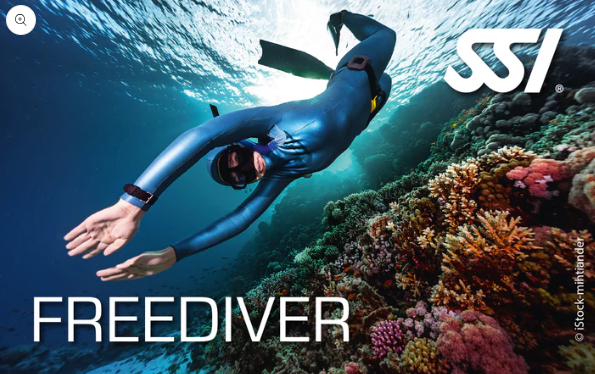
Understanding the Mind-Body Connection in Freediving
Freediving is more than just holding your breath—it’s about syncing your mind and body. When you jump into the ocean’s depths, your body reacts instantly. Your heart rate shifts, your lungs hold precious air, and your thoughts either calm or spiral.
Your mind controls your breathing and heart rate more than you might think. Calm thoughts trigger slower heartbeats and deeper breaths. Stress triggers rapid, shallow breathing that wastes oxygen and speeds fatigue.
Physical Reactions to Stress Underwater
Stress shows itself physically when freediving. You might notice:
-
A racing heartbeat
-
Shallow, quick breaths before the dive
-
Muscle tension or tightness
-
Feeling shaky or restless in the water
Each of these reactions burns oxygen faster, edging you closer to early fatigue or panic. Staying calm keeps your body relaxed, holding oxygen longer. Stress makes your body use air like it's running from danger; calmness tells your body it’s safe, and energy is better saved.
Mental Preparation Techniques for Calmness
Preparing your mind before and during each dive makes a big difference. Try these easy exercises:
-
Visualization: Picture your dive going smoothly, imagine every stage clearly.
-
Mindfulness: Focus fully on your breath or the sound of water. Let distracting thoughts float away.
-
Slow Counting: Count your breaths slowly to stay in the moment and calm your nerves.
These not only calm anxiety but train your brain to stay steady when things get deep or tight.
Practical Free Diving Techniques to Maintain Calm
Calmness grows stronger with practice. Some tried-and-true free diving techniques help control your breath and body underwater.
Breath-Holding and Equalization Tips
Breath control is the heart of freediving. Try these methods:
-
Diaphragmatic breathing: Breathe deeply into your belly, not just your chest, to maximize oxygen intake.
-
Extended exhale: Slow your exhale before the dive to lower carbon dioxide levels.
-
Equalization every few feet: Equalize your ears early and often, using gentle nose-pinching and yawning motions. This avoids discomfort that can trigger panic.
Smooth breath control and regular equalization keep you balanced and confident, preventing rushed breathing or stress mid-dive.
Relaxation Posture and Slow Movements
Your body uses the least energy when it’s relaxed and moving slowly.
-
Float with a natural curve, arms at ease.
-
Glide through water using long, gentle kicks.
-
Avoid sudden turns or jerks that spike your heart rate.
Movements like a slow dance hold calm in both body and mind. The ocean feels smoother, your oxygen lasts longer.
Using Free Diving Tips to Build Confidence
Confidence drives calmness underwater. Use key free diving tips often:
-
Practice in shallow, controlled environments.
-
Track your progress to see steady improvement.
-
Stay patient and gentle with yourself as skills grow.
Trust builds with each dive. When you know your body and your limits, the ocean shifts from scary to welcoming.
Building a Calm Routine With Free Diving Tips and Safety Protocols
A steady routine helps your mind relax before and after every dive. Pair it with clear safety steps to ease anxious thoughts.
Pre-Dive Breathing Exercises
Spend a few minutes breathing deeply before jumping in:
-
Inhale fully for 4 counts.
-
Hold for 7 counts.
-
Exhale slowly for 8 counts.
Repeat this at least 5 times. It lowers stress hormones and slows your heart rate, setting you up to dive calm and ready.
Buddy System and Safety Checks
Never dive alone. A trusted partner watching your descent and ascent adds security. Before each dive:
-
Check your gear together.
-
Agree on hand signals.
-
Review the dive plan.
Knowing someone has your back stops anxiety from creeping in.
Reflective Practices After the Dive
After surfacing, take a moment:
-
Write down what went well.
-
Note any uneasy moments without judgment.
-
Plan small adjustments for next time.
This reflection turns each dive into a lesson in calm, building stronger habits and better dives.
Staying calm when you dive deep comes down to how well you control your breath and mind. Using free diving techniques like breath control, equalization, and slow movements helps your body save energy. Pairing these with mental exercises like visualization and a steady routine lowers stress and builds confidence. Safety steps, like the buddy system and pre-dive checks, keep fear in check and nerves steady.
Calmness unlocks the real joy of freediving: peace below the waves, longer stays in blue quiet, and a freedom that feels like flying underwater. With practice and patience, your next dive will be deep, calm, and full of wonder.