
On a Monday morning in January, a team gathers for their first meeting of the year. The goals are clear, deadlines are tight and expectations are high. Yet, behind the smiles and polite greetings, many employees feel tired before the year has even begun. Late nights, constant notifications and year end pressure have taken a toll. This scene plays out in offices across Singapore every New Year. It raises an important question. What if companies started the year by caring for people first?
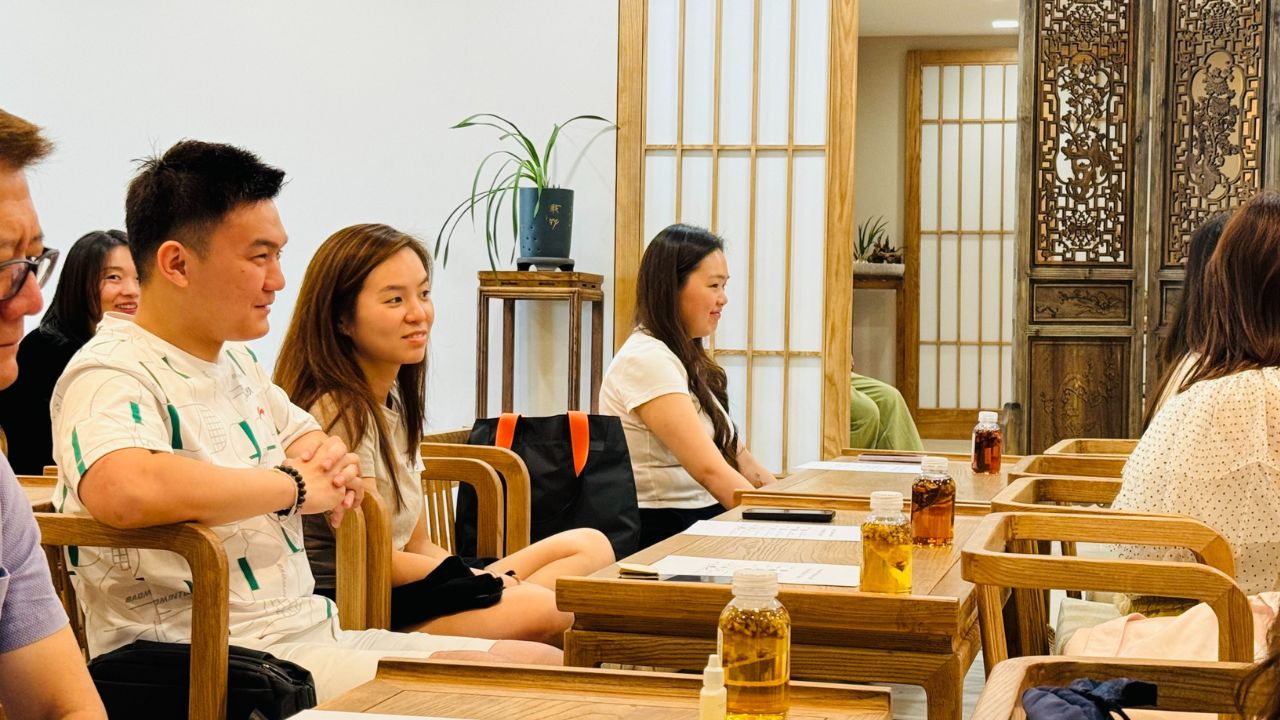
This is where a corporate wellness program comes in. It is no longer a nice-to-have. It is a real business need.
Why Employee Wellbeing Matters More Than Ever in Singapore
Singapore is known for its fast pace and high standards. While this drives success, it also increases stress at work. Recent workplace studies from sources like the World Health Organization and Gallup show that burnout, anxiety and disengagement are rising across Asia. Employees are not just tired. Many feel emotionally drained.
When wellbeing is ignored, companies often see:
-
Higher absenteeism
-
Lower productivity
-
Poor team morale
-
Increased staff turnover
On the other hand, organizations that invest in wellbeing report better focus, stronger teamwork and higher job satisfaction. This is why many employers in Singapore are now rethinking how they support their teams.
What Is a Corporate Wellness Program
A corporate wellness program is a structured approach to support employee physical, mental and emotional health. It goes beyond gym discounts or one off talks. A good program looks at the whole person.
This may include stress management sessions, mindfulness practices, creative workshops or nature based experiences. The goal is simple. Help employees feel balanced, supported and capable of doing their best work.
In Singapore, where long working hours are common, these programs help teams reset and recharge.
Why Start a Wellness Program at the Beginning of the Year
The New Year is a natural reset point. Employees are already thinking about fresh starts and better habits. Introducing a wellness initiative at this time feels timely and meaningful.
Starting early in the year helps companies:
-
Set a positive tone for workplace culture
-
Show genuine care for employee wellbeing
-
Build healthy routines before stress builds up
-
Align wellness goals with business goals
It also sends a strong message. People matter here.
How a Corporate Wellness Program Supports Business Goals
Some leaders still ask if wellness programs really impact results. The answer is yes.
Research from Gallup shows that engaged and healthy employees are more productive and less likely to leave. Companies with strong wellbeing strategies often see improved performance over time.
A well designed corporate wellness program supports:
-
Better focus and decision making
-
Reduced stress related errors
-
Stronger collaboration across teams
-
Higher employee loyalty
When people feel good, they work better. It is that simple.
Leadership pressure, however, is often invisible. Many leaders carry the weight of decisions, performance and responsibility without pausing to reset. Over time, this affects not just leaders themselves but the teams they guide.
“Even the strongest leaders need space to breathe. Clarity does not come from doing more. It comes from recharging deeply.” — Yang Cen, Founder & CEO, Other Options Healing & Coaching
This belief reflects why modern workplace wellness focuses on sustainable energy, not constant output. When leaders model balance, teams feel safer to do the same.
What Makes a Corporate Wellness Program Effective
Not all wellness programs work the same way. The most effective ones are tailored, practical and easy to engage with.
Key elements include:
1. Holistic Approach
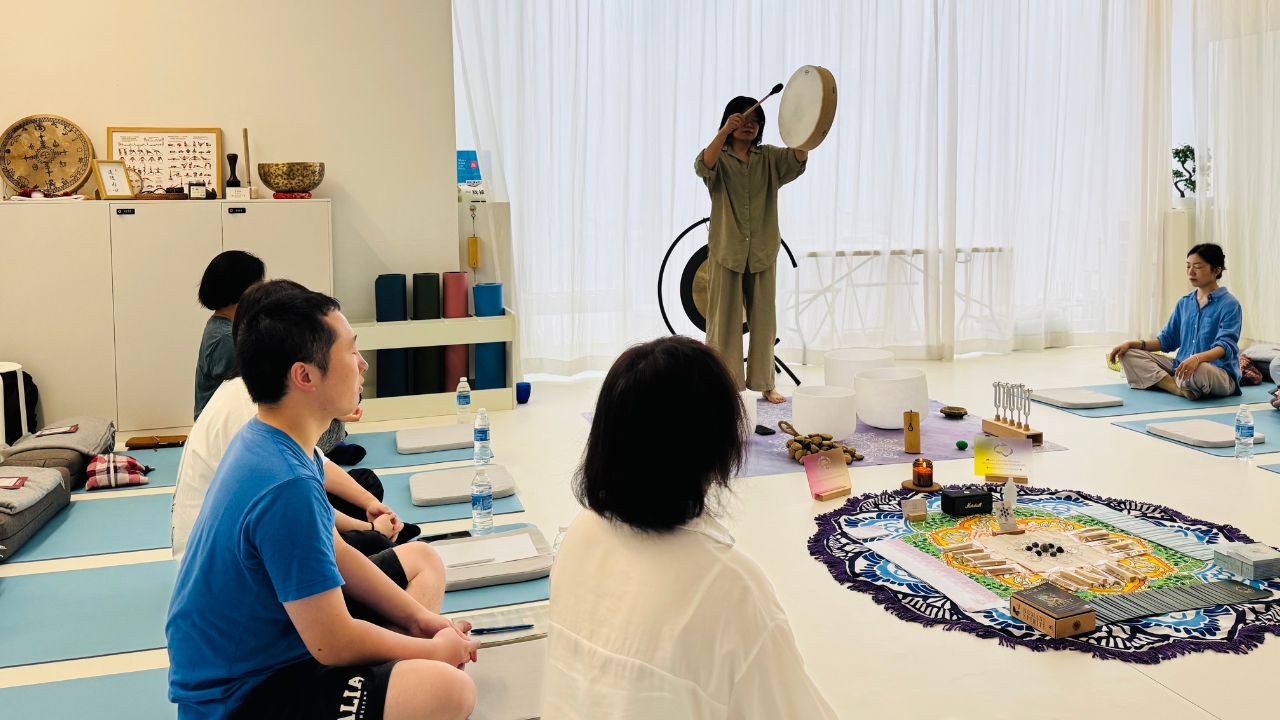
Wellbeing is not just physical health. Emotional balance, mental clarity and creative expression all matter. Programs that include mindfulness, breathwork, sound healing or art based activities often have deeper impact.
2. Real Life Relevance
Employees should walk away with tools they can use at work and at home. Simple breathing techniques, stress awareness and grounding practices make a real difference.
3. Safe and Inclusive Spaces
Wellness sessions should feel welcoming, not forced. When employees feel safe, they are more open and engaged.
4. Flexibility
Some teams prefer short workshops. Others benefit from ongoing sessions. Flexibility allows programs to fit different needs and schedules.
Popular Wellness Activities for Singapore Workplaces
Many organizations in Singapore are now exploring creative and calming wellness experiences that go beyond traditional talks.
These may include:
-
Mindfulness and meditation sessions to reduce mental overload
-
Breathwork workshops to manage stress and improve focus
-
Sound healing experiences to promote deep relaxation
-
Nature based activities like forest bathing to reconnect with calm
-
Creative sessions such as art or plant based workshops for emotional release
These activities help employees slow down in a fast moving work culture.
The Human Side of Workplace Wellness
Imagine an employee who starts the year feeling overwhelmed. After attending a few wellness sessions, they learn how to pause, breathe and manage pressure better. They feel more present during meetings. They communicate more calmly with colleagues. Over time, this changes how they show up at work.
Now imagine this shift happening across a team.
This is the real power of wellness. It changes behavior, not just mood.
Why Singapore Companies Are Investing More in Wellness
Singapore based organizations face unique challenges. Talent retention is competitive. Expectations are high. Employees have many options.
Offering a thoughtful wellness program helps companies stand out as caring employers. It shows that leadership understands modern work pressures and is willing to act.
More companies now see wellness as part of a long term strategy, not a short term perk.
Choosing the Right Corporate Wellness Partner
Selecting the right partner matters. A good wellness provider listens first. They understand your team culture, challenges and goals before suggesting solutions.
If you are looking for a trusted and holistic option, a customized corporate wellness program singapore can help organizations design meaningful experiences that truly support employees.
The right partner helps turn wellness from a concept into real change.
How to Introduce Wellness Without Resistance
Some employees may feel unsure at first. This is normal. The key is how programs are introduced.
Helpful tips include:
-
Communicate the purpose clearly
-
Keep sessions voluntary and welcoming
-
Start small with short experiences
-
Encourage leaders to participate
When employees see leaders taking part, trust grows quickly.
Measuring the Impact of Wellness Programs
While wellbeing is human, it can still be measured.
Companies often track:
-
Employee feedback and satisfaction
-
Absenteeism trends
-
Engagement survey results
-
Retention rates
Over time, patterns emerge. Teams feel better. Workflows improve. Culture strengthens.
Building a Long Term Wellbeing Culture at Work
Wellness is not a one time event. It is an ongoing practice. Just like business goals, wellbeing needs regular attention.
Organizations that succeed are those that:
-
Review wellness needs regularly
-
Adapt programs based on feedback
-
Integrate wellbeing into daily work culture
This creates sustainable change, not temporary relief.
Make Employee Wellbeing a Strategic Business Priority in Singapore
As the New Year begins, many companies focus on targets, numbers and growth plans. All of that matters. But none of it works without healthy people behind it.

Making employee wellbeing a priority is one of the most practical and human decisions a company can make. A thoughtful corporate wellness program in Singapore helps teams feel supported, valued and ready to face the year ahead.
When people thrive, businesses do too.