
Weed pens have become one of the most popular ways to consume cannabis due to their portability, ease of use, and discreet design. For both new and experienced users, one of the most common questions is how long a weed pen actually lasts and what factors influence its battery life. While many people assume all vape pens perform the same, the reality is that longevity varies significantly based on usage habits, device quality, and battery specifications.
Understanding how long weed pens last—and why—helps users avoid unexpected battery failure, maintain consistent performance, and extend the overall lifespan of their device.
What “How Long a Weed Pen Lasts” Really Means
When discussing how long a weed pen lasts, it is important to distinguish between two things: battery life per charge and overall device lifespan. Battery life refers to how long the pen can be used before it needs recharging, while device lifespan refers to how long the pen remains functional over weeks or months of regular use.
A fully charged weed pen battery typically lasts anywhere from a few hours to several days, depending on how frequently it is used. In terms of total lifespan, a quality weed pen can last several months to over a year before battery degradation becomes noticeable.
Average Battery Life Per Charge
Most weed pens use lithium-ion batteries, similar to those found in smartphones and other portable electronics. Battery capacity is measured in milliamp-hours (mAh), and this number plays a major role in determining how long a pen lasts on a single charge.
Small, slim pens often have batteries between 250 and 350 mAh, which may last a few dozen puffs or several short sessions. Mid-sized pens usually range from 400 to 650 mAh and can last a full day or more for moderate users. Larger, more powerful pens may exceed 900 mAh and can last multiple days between charges.
Actual usage time varies because each puff draws power, and longer or stronger inhales consume more energy than short draws.
How Usage Habits Affect Battery Life
User behavior is one of the biggest factors influencing weed pen battery life. Frequent use, long inhalations, and repeated sessions throughout the day will drain a battery much faster than occasional use.
Chain vaping, where multiple puffs are taken in quick succession, places continuous demand on the battery and can shorten both per-charge duration and long-term battery health. In contrast, spacing out sessions allows the battery to cool and reduces strain on internal components.
Temperature also plays a role. Cold environments can temporarily reduce battery efficiency, while excessive heat may permanently damage battery cells.
Voltage Settings and Power Output
Many weed pens offer adjustable voltage or power settings. Higher voltage produces more vapor and stronger effects, but it also drains the battery faster. Lower voltage settings are more energy-efficient and often provide a smoother experience while extending battery life.
Users who consistently operate their weed pens at high voltage levels should expect more frequent charging and faster battery wear over time. Choosing a balanced setting helps preserve battery capacity while maintaining performance.
Cartridge Resistance and Battery Drain
The resistance of the cartridge or coil connected to the weed pen also affects battery consumption. Lower-resistance cartridges require more power to heat, which increases battery drain. Higher-resistance cartridges are generally more efficient and extend usage time per charge.
Not all batteries are designed to work optimally with every cartridge type. Mismatched resistance can lead to inefficient power usage, overheating, or inconsistent vapor production.
Charging Habits and Battery Longevity
How a weed pen is charged has a direct impact on how long the battery lasts over its lifetime. Lithium-ion batteries degrade gradually with each charge cycle, and poor charging habits can accelerate this process.
Overcharging, using incompatible chargers, or frequently allowing the battery to fully drain to zero can reduce overall battery health. Ideally, users should recharge their weed pens before the battery is completely depleted and unplug the device once it reaches full charge.
Using the charger provided by the manufacturer—or one with matching specifications—helps ensure safe and efficient charging.
Build Quality and Internal Components
Not all weed pens are built the same. Higher-quality devices use better battery cells, stable circuitry, and reliable heating elements. These components work together to deliver consistent performance while minimizing energy waste.
Lower-quality pens may suffer from inefficient power delivery, causing faster battery drain and shorter overall lifespan. Over time, this can result in reduced vapor output, inconsistent heating, or complete battery failure.
Reputable platforms such as Weed Pens often emphasize device quality as a key factor in long-term reliability and battery performance.
Signs a Weed Pen Battery Is Wearing Out
As a weed pen battery ages, certain signs indicate declining performance. These may include shorter usage time per charge, slower heating, inconsistent vapor production, or the need to recharge more frequently than before.
In some cases, the pen may struggle to hold a charge at all. When these symptoms become persistent, it usually means the battery has reached the end of its effective lifespan.
Disposable vs Rechargeable Weed Pens
Disposable weed pens are designed for convenience rather than longevity. Their batteries are sized to last only until the oil is depleted, after which the device is discarded. Rechargeable pens, on the other hand, are intended for repeated use and long-term reliability.
While disposables may seem simpler, rechargeable
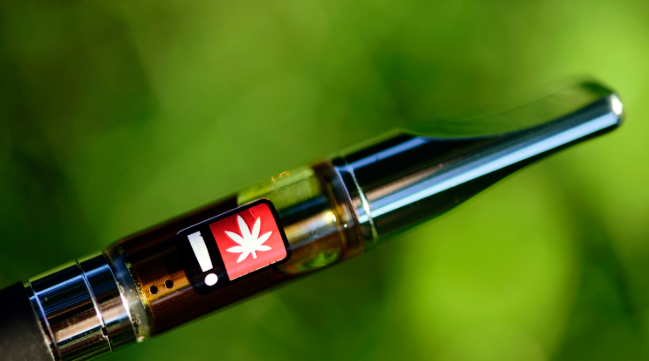
weed pens generally offer better battery life, more consistent performance, and greater value over time.
How to Extend Weed Pen Battery Life
Users can take several steps to maximize battery life without changing their overall experience. Keeping voltage settings moderate, avoiding extreme temperatures, and charging responsibly all contribute to longer-lasting performance.
Allowing the device to cool between sessions and storing it in a dry, room-temperature environment also helps preserve battery health. These small habits can significantly extend how long a weed pen remains usable.
Final Thoughts
So, how long do weed pens last? The answer depends on battery capacity, usage habits, device quality, and charging practices. While a single charge may last anywhere from hours to days, the overall lifespan of a weed pen can range from several months to over a year with proper care.
Understanding what affects battery life empowers users to make informed decisions and get the most out of their device. By choosing quality products and adopting responsible usage habits, users can enjoy consistent performance while minimizing battery-related frustrations.