
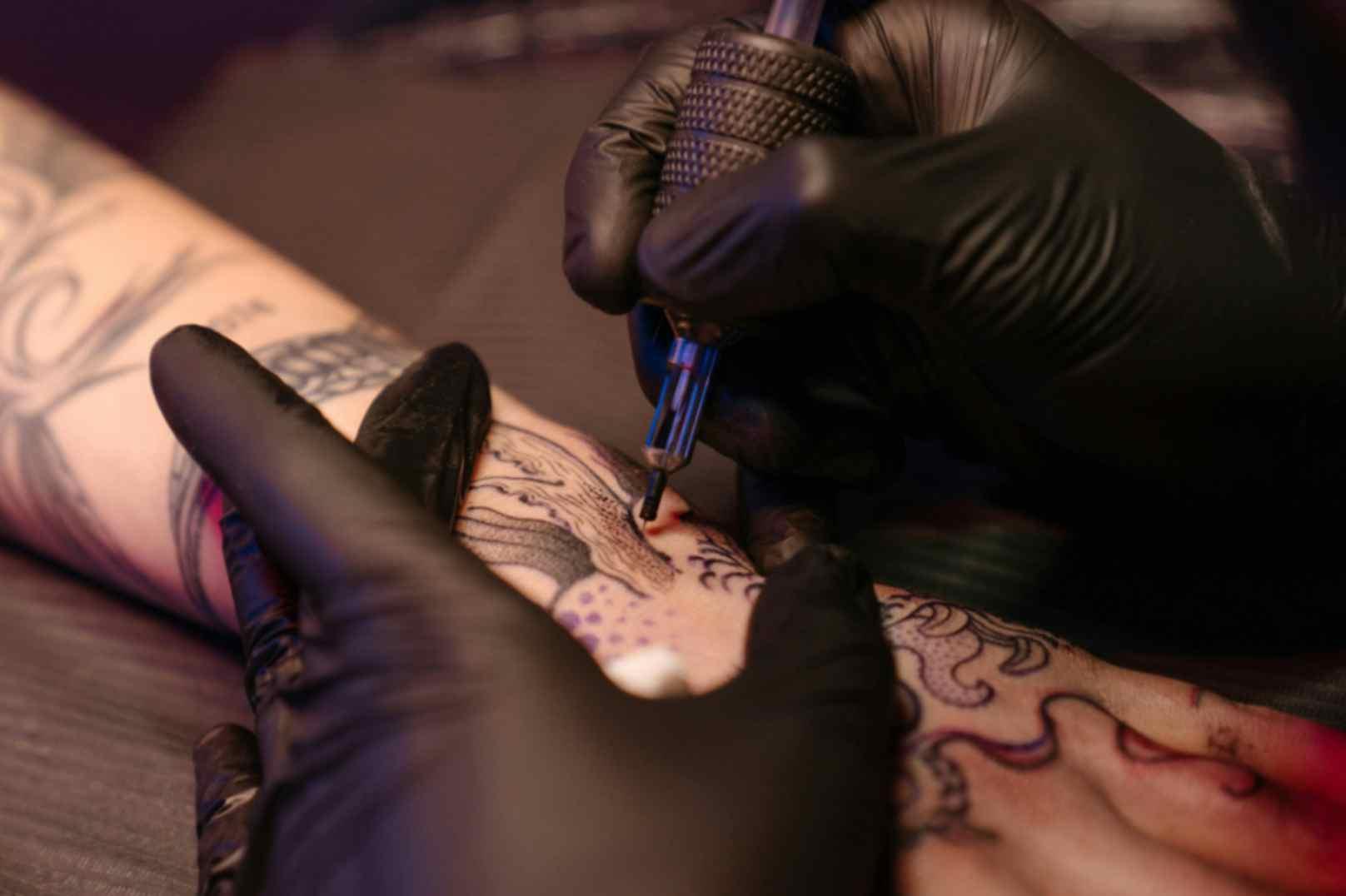
A tattoo apprenticeship is a structured training period in which aspiring tattoo artists learn essential skills directly from experienced professionals within a studio environment. This apprenticeship forms the bridge between being an amateur enthusiast and becoming a skilled, licensed tattoo artist. If you want to break into the tattoo industry, it’s crucial to understand what a tattoo apprenticeship entails, why it matters, and what’s expected of apprentices.
Learning Under a Mentor
In a tattoo apprenticeship, a licensed artist acts as a mentor, guiding the apprentice through every step of the craft. Unlike attending an art school, an apprenticeship is hands-on and industry-specific, focusing on technical ability, safety, and professionalism. Usually, apprentices watch their mentor, ask questions, and progressively assume greater responsibility.
What’s Involved in the Day-to-Day?
Apprenticeships typically last between one to three years, with the duration depending on studio standards and the apprentice's progress. Early on, tasks may include organizing supplies, cleaning workstations, sterilizing equipment, and booking appointments. These foundation tasks are vital; a clean studio and proper safety are non-negotiable in tattooing.
As apprentices prove their reliability and develop their drawing skills, mentors entrust them with more complex tasks. Apprentices prepare stencils, attentively observe live sessions, and practice designs on synthetic skin. Over time, they may tattoo small, simple designs, always under direct supervision—to build real-world skills safely.
Focus on Health and Safety
Tattooing is much more than just art; it's also about client safety and health. Apprentices learn strict hygiene protocols, including proper sterilization, needle disposal, and cross-contamination prevention. Many regions require safety certifications such as in bloodborne pathogens before an apprentice is permitted to work on actual skin. This knowledge is critical to both client safety and professional reputation.
Building a Portfolio
A strong apprentice dedicates many hours to developing a portfolio, starting with pencil and digital sketches, progressing to renderings suitable for tattoos. Mentors provide valuable feedback on drawing technique, composition, and tattoo suitability. As the apprentice’s skills improve, their portfolio evolves to include healed tattoos done on live models, demonstrating versatility and command of the craft.
Understanding Tattoo Culture and Etiquette
Tattoo studios have their own culture, rooted in respect, humility, and discipline. Apprentices are expected to absorb proper etiquette: greeting clients respectfully, maintaining studio organization, and showing gratitude for feedback. Professionalism is highly valued in the close-knit and reputation-driven tattoo industry.
Financial Expectations
Tattoo apprenticeships are rarely paid. In many cases, apprentices may need to pay their mentor or studio for the time and expertise invested. Budgeting for supplies, equipment, and living expenses is necessary, since the first year or two may offer minimal income.
The End Goal: Artistic and Professional Readiness
Upon completing a successful apprenticeship, the apprentice emerges prepared to work independently as a licensed tattoo artist. They leave with deep technical knowledge, a robust portfolio, industry-required health and safety training, and the confidence to handle clients and studio responsibilities.
Also Read: https://www.behance.net/gallery/231632315/Common-3D-Tattoo-Drawing-Mistakes-Beginners-Make