
In an era where technology touches every aspect of our lives, our homes are no exception. From automated lighting and climate control to voice-activated security systems and smart appliances, the concept of a smart home is revolutionizing modern living. However, behind the seamless automation and convenience lies the foundation of any smart system—smart home wiring.
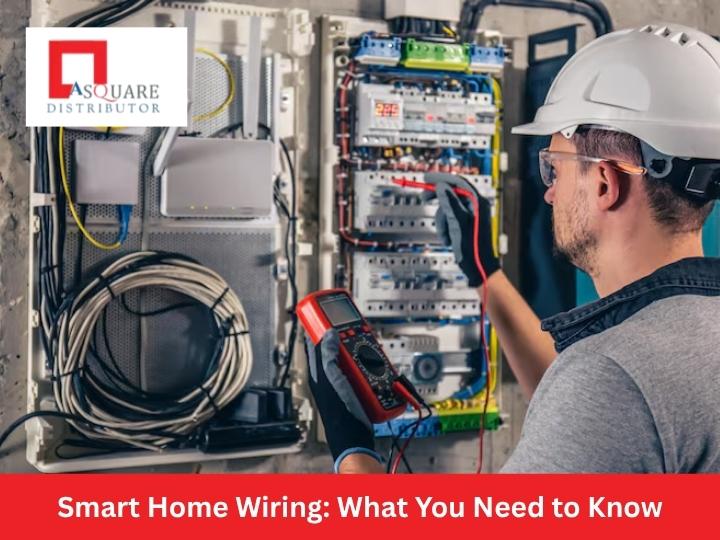
Whether you're building a new home, planning a renovation, or upgrading your current electrical setup, understanding the essentials of smart home wiring is crucial. In this comprehensive guide, we’ll cover everything you need to know—from planning and design to hiring a qualified electrician and choosing the right electrical service provider.
What Is Smart Home Wiring?
Smart home wiring refers to the structured cabling and network systems that enable the automation and remote control of electronic devices and appliances in a home. It includes the installation of data cables (Cat6, fiber optics), power lines, control wires, and wireless infrastructure to support:
-
Smart lighting systems
-
Home security cameras and alarms
-
Audio and video systems
-
Thermostats and HVAC control
-
Automated blinds and doors
-
Voice assistants (like Alexa, Google Assistant)
Why Proper Smart Home Wiring Matters
While many smart devices today offer wireless connectivity, structured wiring ensures faster communication, better security, and greater reliability. Poor or outdated wiring can cause frequent connection drops, lag, or even safety hazards. Here’s why proper wiring is essential:
-
Performance: Wired connections offer lower latency and higher speeds than Wi-Fi.
-
Reliability: Less susceptible to interference and signal drops.
-
Security: Wired systems are harder to hack than wireless networks.
-
Scalability: Easier to upgrade and expand your system over time.
-
Future-Proofing: Installing quality wiring now means fewer changes down the road.
Planning Your Smart Home Wiring
1. Define Your Smart Home Goals
Before you start, make a list of devices and functions you want to automate. Are you focusing on energy efficiency, entertainment, or security? Understanding your goals helps you and your electrician create a plan tailored to your needs.
2. Choose the Right Infrastructure
Depending on your goals, your home might require:
-
Cat6 or Cat7 Ethernet Cables: For high-speed data transmission.
-
Coaxial Cables: For cable television and satellite.
-
HDMI Cables: For media systems and home theaters.
-
Fiber Optic Cables: For lightning-fast internet and communication.
-
Control Cables (Low Voltage): For sensors, switches, and automation panels.
3. Create Wiring Zones
Separate your home into zones (e.g., living room, bedroom, kitchen) and plan wiring layouts accordingly. This allows for easier control and maintenance in the future.
Key Components of Smart Home Wiring
-
Main Control Panel (Hub)
The central brain of your smart system. All devices and cables connect here for unified control. -
Network Panel
A dedicated space for Ethernet and internet connections. Ideal for routing Cat6 cables and ensuring strong Wi-Fi throughout the home. -
Power Supply System
Smart homes often require additional outlets and power sources. A licensed electrician will ensure your circuit breakers and outlets can handle the load. -
Distribution Boxes and Patch Panels
Organizes and routes wiring efficiently. Helps with troubleshooting and future upgrades. -
Smart Switches and Sockets
These are wired during installation and allow remote control of lighting and power.
Wireless vs Wired: What’s Better?
While wireless smart devices are convenient, they have limitations:
| Feature | Wired System | Wireless System |
|---|---|---|
| Speed | Faster and stable | Slower, depends on Wi-Fi |
| Security | More secure | Susceptible to hacking |
| Reliability | Very reliable | Signal interference can occur |
| Installation | Requires planning | Easy plug-and-play |
Best practice: Use a hybrid system. Wired connections for critical systems like security and internet, and wireless for secondary functions.
Importance of Hiring a Professional Electrician
Smart home wiring is not a DIY job. Working with electricity and structured cabling requires specialized knowledge and safety training. A licensed electrician ensures:
-
Compliance with local electrical codes
-
Proper load balancing and breaker configuration
-
Safe installation of outlets, panels, and wiring
-
Compatibility with automation systems
-
Long-term safety and performance
Always choose an electrical service provider with experience in smart homes. Ask for references, certifications, and warranty coverage before signing a contract.
Cost of Smart Home Wiring
The cost varies depending on the size of your home, the number of devices, and the complexity of the system. Here’s a rough breakdown:
| Service | Estimated Cost (INR) |
|---|---|
| Structured Wiring (per sq ft) | ₹100 - ₹300 |
| Smart Switch Installation | ₹1,000 - ₹3,000 per unit |
| Central Control Hub | ₹10,000 - ₹50,000 |
| Electrician Labor Charges | ₹500 - ₹1,500 per hour |
Note: Always get multiple quotes from different electrical service providers.
Safety Considerations
-
Surge Protection: Use surge protectors for all sensitive devices.
-
Circuit Overload Prevention: Make sure your home’s electrical panel can handle the increased load.
-
Fire Hazards: Use certified cables and equipment. Never cut corners with quality.
-
Grounding: Proper grounding is critical for smart device longevity and safety.
A certified electrician will evaluate these aspects before beginning the project.
Future-Proofing Your Smart Home Wiring
Smart technology is evolving fast. To ensure your home is ready for future upgrades:
-
Install extra conduits for future wiring.
-
Use modular panels and patch bays.
-
Label all wires clearly.
-
Choose scalable home automation systems.
-
Opt for cloud-compatible devices with OTA (over-the-air) updates.
Common Mistakes to Avoid
-
Underestimating the Number of Outlets
-
Relying Only on Wireless
-
Ignoring Ventilation Around Control Panels
-
Not Consulting a Licensed Electrician
-
Skipping Future-Proof Planning
Smart home installation should be done right the first time to avoid expensive reworks later.
Conclusion
Smart home wiring is the foundation of modern, connected living. Whether you're automating lighting, securing your property, or setting up a state-of-the-art entertainment system, structured wiring ensures that everything runs smoothly and safely. The key to a successful smart home setup lies in careful planning, choosing the right components, and working with a professional electrician or electrical service provider.
By investing in smart wiring today, you're not just making your life more convenient—you’re enhancing your property’s value, safety, and energy efficiency for years to come.