
When your cooling system begins to fail, you’re faced with an important decision: Should you handle your air conditioner replacement yourself, or hire a professional HVAC technician? While DIY projects can save money, air conditioning systems are complex machines that require precise installation, safety knowledge, and long-term planning. Understanding the difference between DIY and professional AC replacement can help you protect your investment and maintain comfortable indoor temperatures year-round.
This guide explains what homeowners, new home buyers, property managers, landlords, commercial property owners, and home renovators need to know before choosing between DIY and professional AC installation.
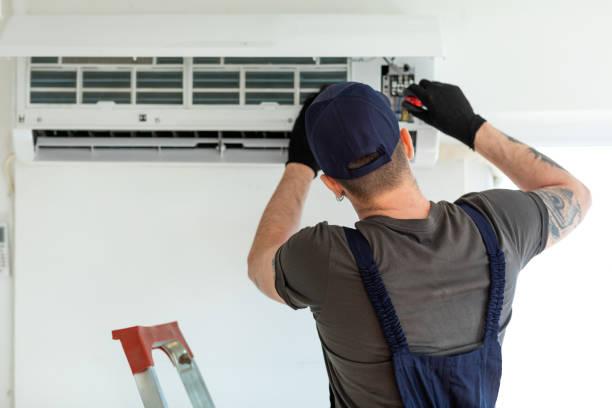
1. Understanding the Air Conditioner Replacement Process
Replacing an AC unit involves far more than disconnecting an old system and plugging in a new one. Proper AC installation requires:
-
Determining the correct system size (load calculation)
-
Handling refrigerant safely and legally
-
Connecting electrical components
-
Upgrading ductwork if needed
-
Ensuring proper airflow and drainage
-
Verifying energy efficiency ratings and compatibility
Because AC systems greatly impact indoor comfort, energy bills, and long-term performance, even small mistakes during installation can lead to expensive problems down the line.
2. The Risk and Reality of DIY Air Conditioner Replacement
Many homeowners consider DIY air conditioner replacement to save on labor costs. However, there are several risks and limitations to be aware of.
a. Safety Hazards
AC systems contain high-voltage wiring and refrigerant chemicals that require professional handling. Incorrect installation can lead to:
-
Electrical shocks
-
Refrigerant leaks
-
Fire hazards
-
System damage
Refrigerants can only be legally handled by certified technicians, meaning most DIY attempts violate safety standards.
b. Incorrect System Sizing
Without a proper Manual J load calculation, you may choose a unit that is:
-
Too small – runs constantly and fails to cool the space
-
Too large – cools too quickly, causing humidity issues and poor air quality
Either mistake increases energy bills and reduces system lifespan.
c. No Warranty Protection
Manufacturers typically void warranties on units installed by unskilled individuals. This leaves you financially responsible for future repairs or replacements.
d. Long-Term Operational Issues
A DIY installation can cause problems such as:
-
Poor airflow
-
Frozen coils
-
Leaking ducts
-
Higher energy consumption
-
Frequent breakdowns
While DIY can work for small home repairs, AC replacement is rarely a smart do-it-yourself project.
3. Benefits of Hiring a Professional for Air Conditioner Replacement
Choosing an expert HVAC technician ensures the system is installed safely, efficiently, and according to industry standards.
a. Correct System Selection
Professionals evaluate:
-
Home or building size
-
Insulation levels
-
Sun exposure
-
Occupancy
-
Existing ductwork condition
This ensures you get an energy-efficient system that matches your cooling needs.
b. Code Compliance and Permits
Commercial property owners, landlords, and home renovators must follow local codes. HVAC technicians handle all permits and inspections to keep your property compliant.
c. Safe Handling of Refrigerants
Expert technicians are trained to charge and dispose of refrigerant properly, preventing environmental harm and legal violations.
d. Long-Term Savings
Expert installation boosts system efficiency, reducing electricity bills and lowering the frequency of AC repair requests.
A properly installed system can last 10–15 years with regular AC maintenance, saving significant money over time.
e. Warranty and Service Protection
Professional installations come with guaranteed workmanship, equipment warranties, and follow-up service options.
4. When DIY May Be Acceptable
While full AC replacement should be left to professionals, homeowners can still perform basic AC-related tasks, such as:
-
Replacing air filters
-
Cleaning outdoor condenser units
-
Checking thermostat batteries
-
Clearing debris around the unit
-
Flushing the drain line
These small tasks support healthy system performance and reduce the need for emergency repairs.
5. Cost Comparison: DIY vs. Professional AC Installation
DIY Costs
-
Equipment purchase
-
Tools (gauges, vac pumps, electrical tools)
-
Potential duct repairs
-
Replacement parts
-
Disposal fees
-
Risk of costly mistakes and future failures
DIY appears cheaper at first, but often ends up being more expensive in the long run.
Professional Installation Costs
Professional AC replacement includes:
-
System-sizing evaluation
-
Skilled installation
-
Refrigerant charging
-
Equipment warranties
-
Post-installation inspection
-
Guidance on future AC maintenance
This ensures both performance and long-term value.
6. Why Professional AC Replacement Is the Smarter Choice
For homeowners, property managers, landlords, and commercial property owners, the real benefits of hiring a professional outweigh the initial savings of a DIY project.
A professional ensures:
-
Safety
-
Code compliance
-
Efficiency
-
Reliability
-
Warranty protection
-
Peace of mind
Your AC system is a major investment in comfort, property value, and energy efficiency. Proper installation directly impacts how well your system performs for years to come.
Conclusion
While DIY projects offer satisfaction and potential savings, air conditioner replacement is not the place to cut corners. Because AC systems involve electrical work, refrigerants, sizing calculations, and long-term performance considerations, professional installation is the safest and most cost-effective choice.
Whether you're a homeowner, new buyer, property manager, landlord, commercial property owner, or renovating your space, partnering with an experienced HVAC technician guarantees that your new system operates efficiently, safely, and reliably.