
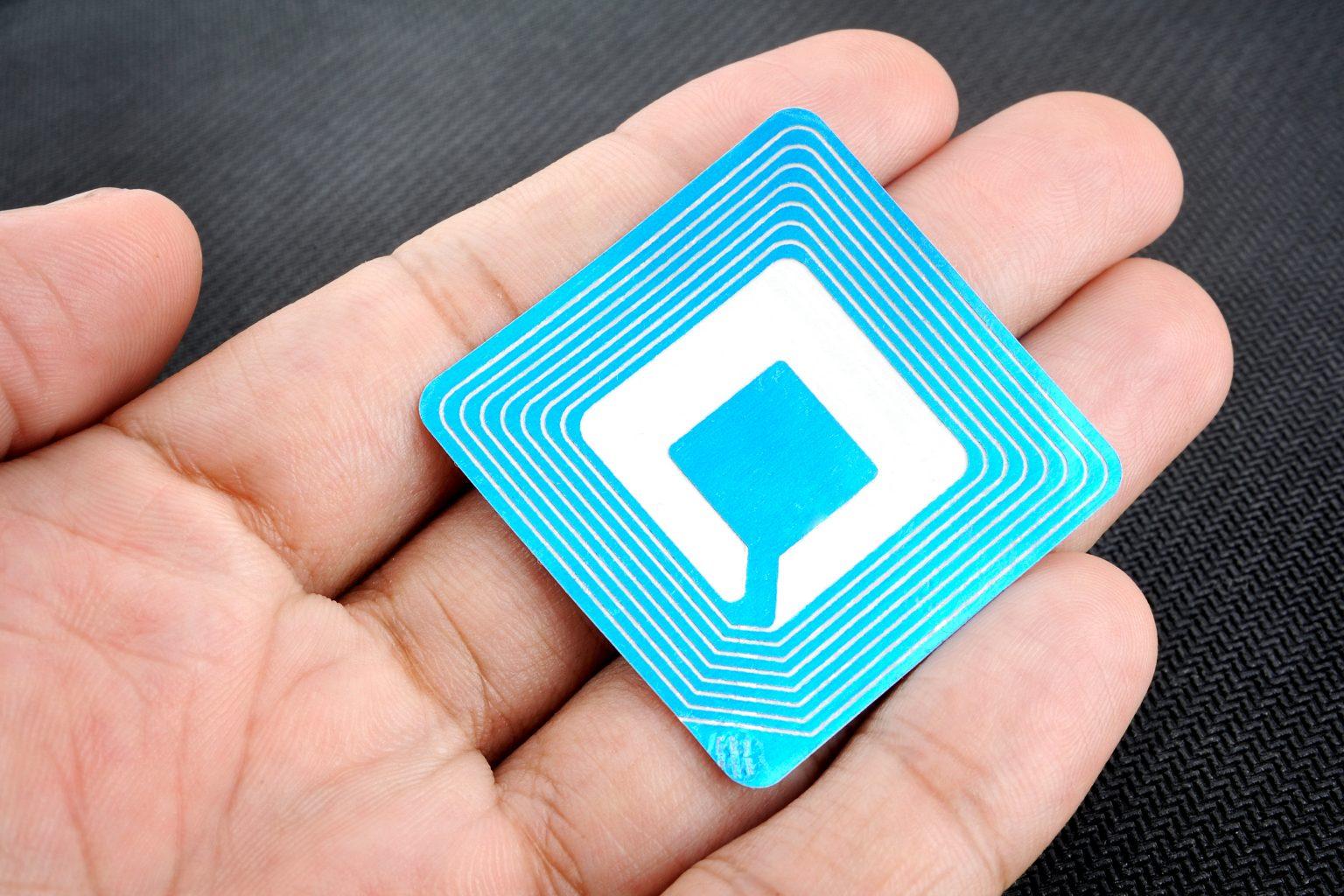
What are RFID Enabled Smart Cabinets?
RFID enabled smart cabinets are storage cabinets equipped with radio-frequency identification (RFID) technology. An RFID system uses electromagnetic fields to automatically identify and track tags attached to objects. The field can be used to read or write data to the tag from a distance without physically touching it.
How do they Work?
RFID Enabled Smart Cabinets have antennae installed inside that can communicate with RFID tags placed on items stored in the cabinet. When an item with an RFID tag is placed inside or removed from the cabinet, the antennas detect the tag's unique identification number. This information is then sent to a control system via a wired or wireless network.
The control system includes software to manage real-time inventory and usage data. Authorized users can access this information through a web portal or mobile application. RFID enabled smart cabinets allow for more automated and accurate tracking of supplies and assets compared to traditional manual inventory methods.
Tracking Inventory and Usage
With RFID tags affixed to individual items, smart cabinets can continuously monitor inventory levels in real-time. Users are alerted via the control software when stock of certain items falls below predefined thresholds. This ensures items are reordered before running out.
The tags also allow tracking of item usage. The control system records each time an item is removed from the cabinet. This data provides valuable insights into patterns of consumption. Managers can analyze usage reports to streamline procurement, rotate stock, and improve allocation of high items.
Controlling Access
RFID enabled smart cabinets offer controlled access functionality. Only authorized personnel with valid RFID credentials can open the cabinet doors. When a user's tag is scanned, the authentication is verified by the control system before granting access.
Access logs recording each instance of cabinet use provide an audit trail. Administrators can restrict access at the cabinet, shelf, or item level based on roles. This level of control is important for securely storing pharmaceuticals, medical equipment, chemicals and other sensitive supplies.
Enhancing Supply Chain Visibility
Implementation of RFID enabled smart cabinets expands real-time visibility across the supply chain. Item-level tracking data from cabinets is integrated with other enterprise systems like ERP, WMS and supply chain networks.
This end-to-end view improves forecasting and replenishment processes. Organizations gain insights into patterns of intra-facility item movement between storage locations, issuing points and consumption areas. Bottlenecks in workflows are easier to identify and address.
Remote Monitoring and Management
Using cloud-based control software, RFID enabled smart cabinets can be remotely monitored and managed from any web-connected device. Administrators have visibility into cabinet operations even when off-site.
System health, temperature and humidity sensors inside the cabinets trigger alerts for issues like door ajar warnings, temperature excursions or low battery power. Remote access also facilitates over-the-air software updates and changes to access rules.
Applications in Healthcare, Manufacturing and Beyond
RFID enabled smart cabinets are increasingly popular across multiple industries due to their numerous benefits
Healthcare: Hospitals deploy the cabinets in pharmacies, supply rooms, operating theatres and clinical areas to closely track expensive medical supplies, instruments and pharmaceuticals. This optimizes inventory levels while complying with strict regulations.
Manufacturing: Manufacturers install smart cabinets on the production floor and warehouse to automate tool/part tracking. Real-time visibility into consumption helps reduce downtime from stockouts.
Laboratories: Labs rely on smart cabinets to securely store chemicals and carefully monitor their use to meet compliance and safety protocols.
Retail: Retailers use smart cabinets to track high-value or restricted goods in backrooms and storage areas with full accountability.
Government: Agencies utilize cabinet RFID systems for tracking inventory, documents and records with end-to-end audit trails.
As the technology matures with broader adoption, RFID enabled smart cabinets are poised to revolutionize inventory management and supply chain operations across all sectors. Their advantages over manual methods will drive further deployments globally. The future of storage is smart.
Get This Report in Japanese Language
Get This Report in Korean Language
Read More Articles Related to this Industry –
Nanofiber Applications in Medical Devices: Revolutionizing Healthcare
Camera Modules in Medical Devices: Revolutionizing Diagnostics and Treatment
About Author:
Priya Pandey is a dynamic and passionate editor with over three years of expertise in content editing and proofreading. Holding a bachelor's degree in biotechnology, Priya has a knack for making the content engaging. Her diverse portfolio includes editing documents across different industries, including food and beverages, information and technology, healthcare, chemical and materials, etc. Priya's meticulous attention to detail and commitment to excellence make her an invaluable asset in the world of content creation and refinement.
(LinkedIn- https://www.linkedin.com/in/priya-pandey-8417a8173/)