
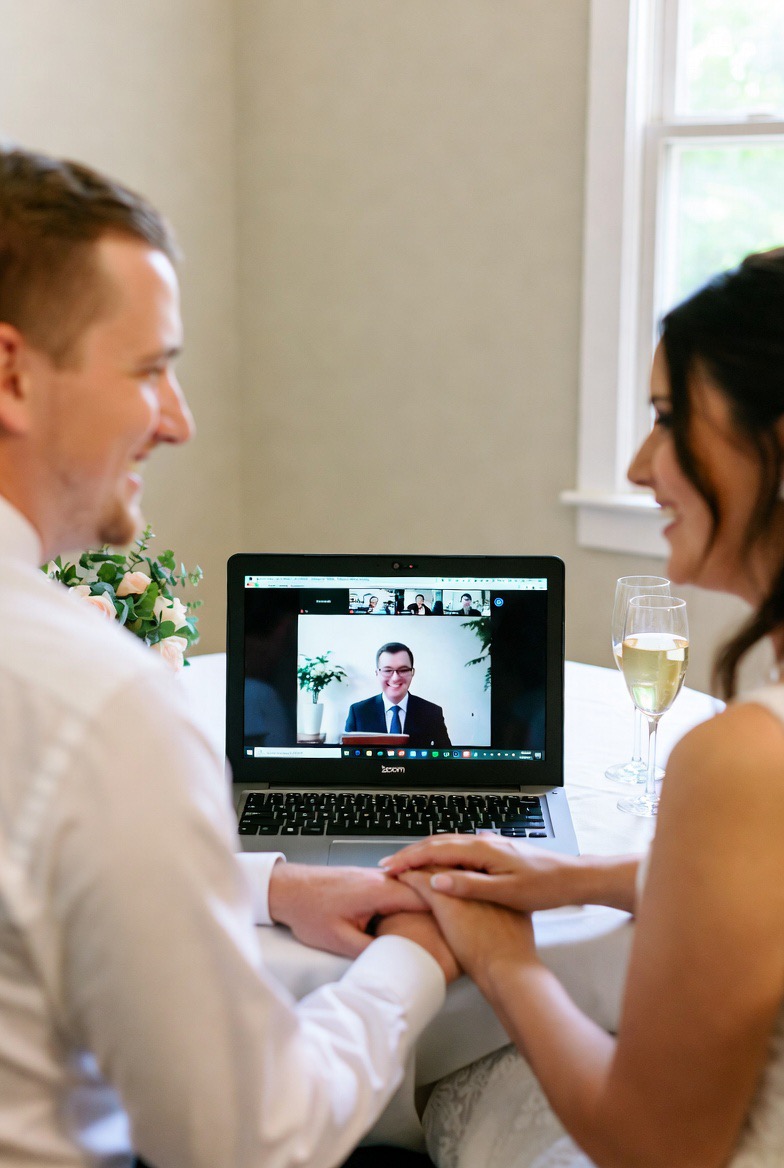
Getting married online is legal in some places. You apply for a marriage license and hold the ceremony over a live video call, with a licensed officiant. Where this is allowed, an online marriage carries the same legal weight as an in-person wedding. Rules differ by state and country, so check local requirements before you plan anything.
How Getting Married Online Works
Most online marriage services follow the same basic steps:
- Apply for a license. Some jurisdictions let you do this entirely online. Others need an in-person visit first.
- Book a licensed officiant. The officiant leads the ceremony over a secure video call.
- Hold the ceremony. You exchange vows live, usually with witnesses, who may also join by video.
- File the certificate. The signed license is returned to the issuing office, and you can then order certified copies.
Couples choose an online marriage for many reasons: distance, travel limits, cost, or simply wanting a quick, low-stress ceremony.
Is an Online Marriage Legal?
It depends on where you are. Some US states allow remote ceremonies, and the rules for who may use them vary. Some require at least one partner to be physically present in the state, while others do not. Many countries still require both partners to appear in person. Always confirm with the county clerk or the official marriage office that will issue your license.
Military Marriage Online
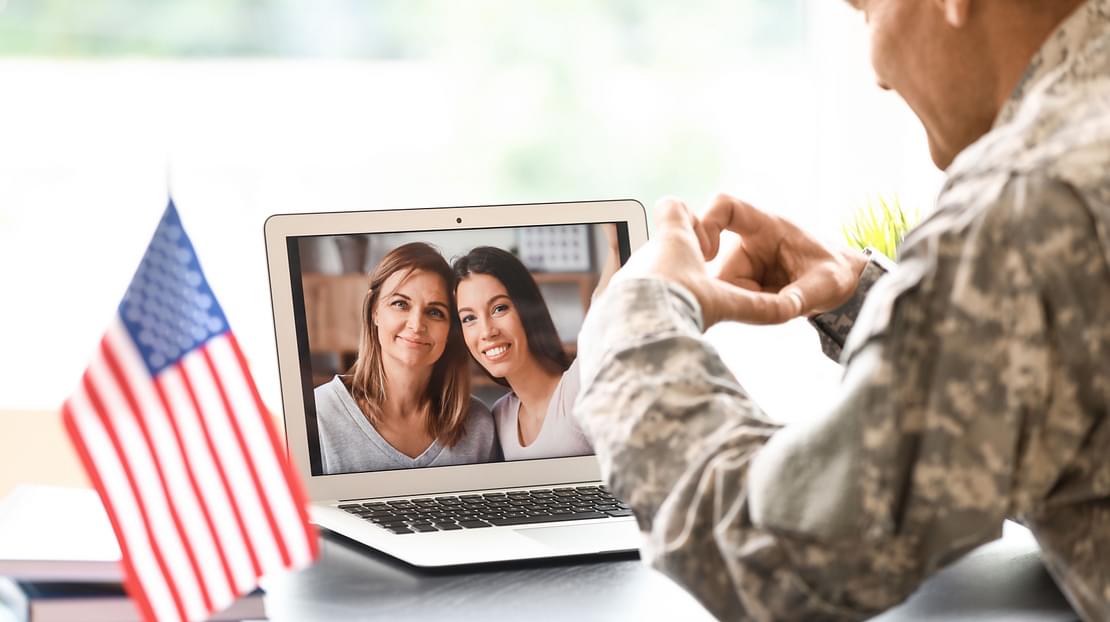
Military marriage online is a popular option for service members. Deployments, overseas postings, and unpredictable schedules can make an in-person wedding hard to arrange. Some states offer special rules for active-duty personnel, including remote ceremonies and proxy marriage, where a stand-in represents the absent partner. Montana, for example, has historically allowed proxy marriage when one partner is active-duty military. Requirements change, so confirm the current rules with the issuing office. Service members should also ask their base legal assistance office about documentation, since the certificate is needed for benefits, housing allowances, and healthcare enrollment.
Tips Before You Start
- Use only licensed officiants and reputable platforms.
- Check that the marriage will be recognized where you live, especially if you plan to move abroad.
- Keep your certified marriage certificate safe, since you will need it for name changes and benefits.
- Test your internet connection and video setup before the ceremony.
Frequently Asked Questions
Is getting married online legally binding?
Yes, if it follows the laws of the jurisdiction that issues the license and the ceremony is performed by an authorized officiant.
Can I have a military marriage online if my partner is deployed?
Often, yes. Some jurisdictions offer remote ceremonies or proxy options for deployed personnel. Check the current rules and consult your base legal office.
Do I need witnesses for an online marriage?
Most places require at least one or two witnesses, who can often join by video.
How long does an online marriage take?
The ceremony itself can take as little as 15 to 30 minutes. License processing times vary.
Will other countries recognize my online marriage?
Not always. If you plan to live abroad, check with the relevant embassy or authority first.
Getting married online can be a simple and meaningful way to start your life together, as long as you do your homework first.