
Smart Solutions: How Electronic Security Systems Are Revolutionizing Home Protection
The concept of home security has undergone a monumental transformation, evolving from simple locks and guard dogs to sophisticated, interconnected electronic systems that are fundamentally revolutionizing how we protect our homes. In an era where connectivity is king, smart electronic security solutions are no longer a luxury but an increasingly accessible and vital component of modern living. They offer unparalleled peace of mind, convenience, and a proactive defense against an array of threats, truly redefining what it means to keep your home and loved ones safe.
The Evolution from Traditional to Smart Security
For centuries, home security relied on rudimentary methods: sturdy doors, deadbolt locks, and the watchful eyes of neighbors. The advent of electricity brought about the first wave of electronic security, with wired alarm systems that would trigger loud sirens when a sensor was tripped. While a significant improvement, these systems were often cumbersome, prone to false alarms, and offered limited remote control or real-time awareness.
The digital revolution, particularly with the rise of the internet and wireless technology, marked the true turning point. The late 20th and early 21st centuries saw the emergence of smart security systems, integrating various devices and functionalities into a cohesive network. This shift has been driven by rapid advancements in several key areas:
- Miniaturization of technology: Sensors and cameras became smaller, more discreet, and easier to install.
- Wireless connectivity: Wi-Fi and cellular networks eliminated the need for extensive wiring, making systems more flexible and portable.
- Smartphone proliferation: Mobile applications became the central hub for monitoring and controlling security systems from anywhere in the world.
- Cloud computing: Secure data storage and remote access became feasible, enabling real-time alerts and video streaming.
Today, electronic security systems leverage a powerful combination of technologies, with Artificial Intelligence (AI) and the Internet of Things (IoT) at their core. This synergy has elevated home protection from a reactive measure to a proactive, intelligent defense mechanism.
The Pillars of Smart Home Security
Modern electronic security systems are built upon several integrated components that work in harmony to provide comprehensive protection:
-
Smart Cameras and Video Surveillance: Far beyond traditional CCTV, smart cameras offer high-definition video, often with night vision, wide-angle lenses, and pan-tilt-zoom (PTZ) capabilities. They are a cornerstone of modern home security, providing visual monitoring and crucial evidence in case of an incident.
- AI-Powered Analytics: This is where the "smart" truly comes in. AI algorithms enable cameras to differentiate between humans, animals, and vehicles, significantly reducing false alarms caused by pets or passing cars. Advanced facial recognition can identify trusted individuals, while flagging unfamiliar faces. Some systems can even detect unusual behaviors like loitering or sudden movements.
- Real-time Streaming and Cloud Storage: Homeowners can access live video feeds from their smartphones or computers, monitoring their property from anywhere. Video footage is often securely stored in the cloud, allowing for review and retrieval as needed.
- Two-Way Audio: Many smart cameras and video doorbells feature two-way audio, enabling communication with visitors or even deterring potential intruders remotely.
-
Smart Sensors and Detectors: These are the eyes and ears of a smart security system, constantly monitoring the environment for anomalies.
- Door and Window Sensors: These contact sensors detect when a door or window is opened or tampered with, immediately triggering an alert.
- Motion Sensors: Utilizing infrared (IR) technology or microwave, these sensors detect movement within a designated area. Modern IR sensors are highly sensitive to heat signatures, making them more accurate in distinguishing between humans and small animals, reducing false positives.
- Glass Break Sensors: These detect the specific frequency of breaking glass, providing an early warning of a potential forced entry.
- Environmental Sensors: Beyond intrusion detection, smart systems integrate sensors for smoke, carbon monoxide, water leaks, and even extreme temperatures. These provide crucial alerts for hazards that can cause significant property damage or pose a health risk.
-
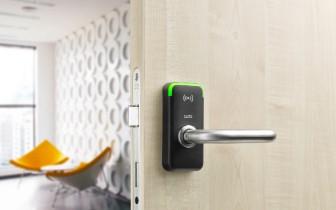
Smart Locks and Access Control: The traditional key is rapidly being replaced by intelligent locks that offer enhanced security and unparalleled convenience.
- Keyless Entry: Smart locks allow entry via keypad codes, smartphone apps, or biometric authentication (fingerprint or facial recognition).
- Remote Management: Homeowners can lock or unlock doors remotely, grant temporary access codes to visitors or service providers, and receive notifications when specific doors are opened.
- Integration with Other Systems: Smart locks can be programmed to trigger other actions, such as turning on lights or disarming the alarm system, upon authorized entry.
-
Smart Alarm Systems and Professional Monitoring: The core of any security setup, modern alarms are more sophisticated and responsive.
- Wireless and Cellular Connectivity: Eliminating vulnerabilities of cut phone lines, smart alarms communicate via robust wireless networks and cellular backups.
- Instant Notifications: Upon detection of a threat, systems send immediate alerts to the homeowner's smartphone via push notifications, email, or SMS.
- Professional Monitoring: Many systems offer optional 24/7 professional monitoring services. In the event of an alarm, a central monitoring station verifies the threat and dispatches emergency services if necessary, providing an additional layer of protection and rapid response.
The Power of Integration: AI and IoT
The true revolution in home protection lies in the seamless integration facilitated by AI and IoT.
- IoT (Internet of Things): This refers to the network of physical devices embedded with sensors, software, and other technologies that connect and exchange data over the internet. In home security, this means all your smart cameras, sensors, locks, and alarms are interconnected. They form a cohesive "security mesh," where data from one device can inform and trigger actions in another. For example, a motion sensor detecting activity can prompt a camera to start recording and send an alert.
- AI (Artificial Intelligence): AI acts as the "brain" of the smart security system. It processes the vast amounts of data collected by IoT devices, learns patterns, and makes intelligent decisions.
- Anomaly Detection: AI learns the normal routines and patterns within your home. If an unusual activity occurs – someone walking around the house at an odd hour, or a door being opened when it typically isn't – the AI can flag it as an anomaly and trigger an alert.
- Predictive Analytics: By analyzing historical data, AI can even anticipate potential threats. For instance, if a specific area consistently shows suspicious activity at certain times, the system can proactively enhance surveillance in that zone.
- Reduced False Alarms: AI's ability to differentiate between genuine threats and benign events (like a pet moving or a tree branch swaying) drastically reduces false alarms, saving homeowners from unnecessary stress and avoiding potential fines from emergency services.
- Automated Responses: AI-powered systems can automate responses to security events. If an intruder is detected, the system might not just trigger an alarm but also turn on all lights, lock all doors, and activate a two-way audio warning to deter the intruder, all without human intervention.
Benefits Beyond Security
The advantages of smart electronic security systems extend far beyond just deterring crime:
- Peace of Mind: Knowing you can monitor and control your home's security from anywhere offers unparalleled peace of mind, whether you're at work, on vacation, or simply in another room.
- Remote Accessibility: Manage your system, view live feeds, check sensor statuses, and receive alerts directly on your smartphone, tablet, or computer.
- Convenience: Granting access to trusted individuals, disarming the system for cleaners, or turning on lights before you arrive home are all made effortlessly convenient.
- Property Value Enhancement: Homes equipped with modern smart security systems are often more attractive to potential buyers, potentially increasing property value. Some insurance providers also offer discounts for homes with advanced security features.
- Energy Efficiency: While not directly security-related, many smart security ecosystems integrate with smart thermostats and lighting, allowing for remote control and automation that can lead to energy savings.
- Enhanced Safety: Beyond crime, these systems can alert you to environmental hazards like fires, floods, or gas leaks, potentially saving lives and preventing significant damage.
- Customization: Modern systems are highly customizable, allowing homeowners to set specific alert zones, sensitivity levels, and automated routines to fit their unique needs and preferences.
The Future of Home Protection
The trajectory of electronic home security is towards even greater intelligence, integration, and proactive capabilities. We can anticipate:
- More Advanced AI and Machine Learning: Systems will become even better at understanding complex scenarios, distinguishing nuanced threats, and adapting to user behavior over time.
- Enhanced Biometrics: Fingerprint, facial, and even voice recognition will become more prevalent and sophisticated for access control and user authentication.
- Interoperable Ecosystems: The industry is moving towards more open platforms, allowing devices from different manufacturers to communicate seamlessly, creating truly integrated smart homes.
- Edge Computing: More data processing will occur directly on the security devices themselves ("at the edge"), leading to faster response times, reduced latency, and greater privacy by minimizing data transfer to the cloud.
- Drones and Robotics: While still nascent, security drones for outdoor perimeter monitoring or even indoor robotic guards could become a reality, offering mobile surveillance.
- Blockchain Technology: The use of blockchain could enhance data security and privacy within smart home ecosystems, creating tamper-proof records of device interactions.
Conclusion
Electronic security systems are no longer merely reactive devices but intelligent, interconnected networks that are redefining home protection. By harnessing the power of AI and IoT, these smart solutions offer a level of vigilance, control, and convenience that was unimaginable just a few decades ago. As technology continues to advance at a rapid pace, the future promises even more sophisticated and integrated systems, ensuring that our homes and loved ones remain safer and more secure than ever before. For homeowners in Patiala, Punjab, India, and across the globe, embracing these smart solutions is a step towards a more secure and connected living experience.