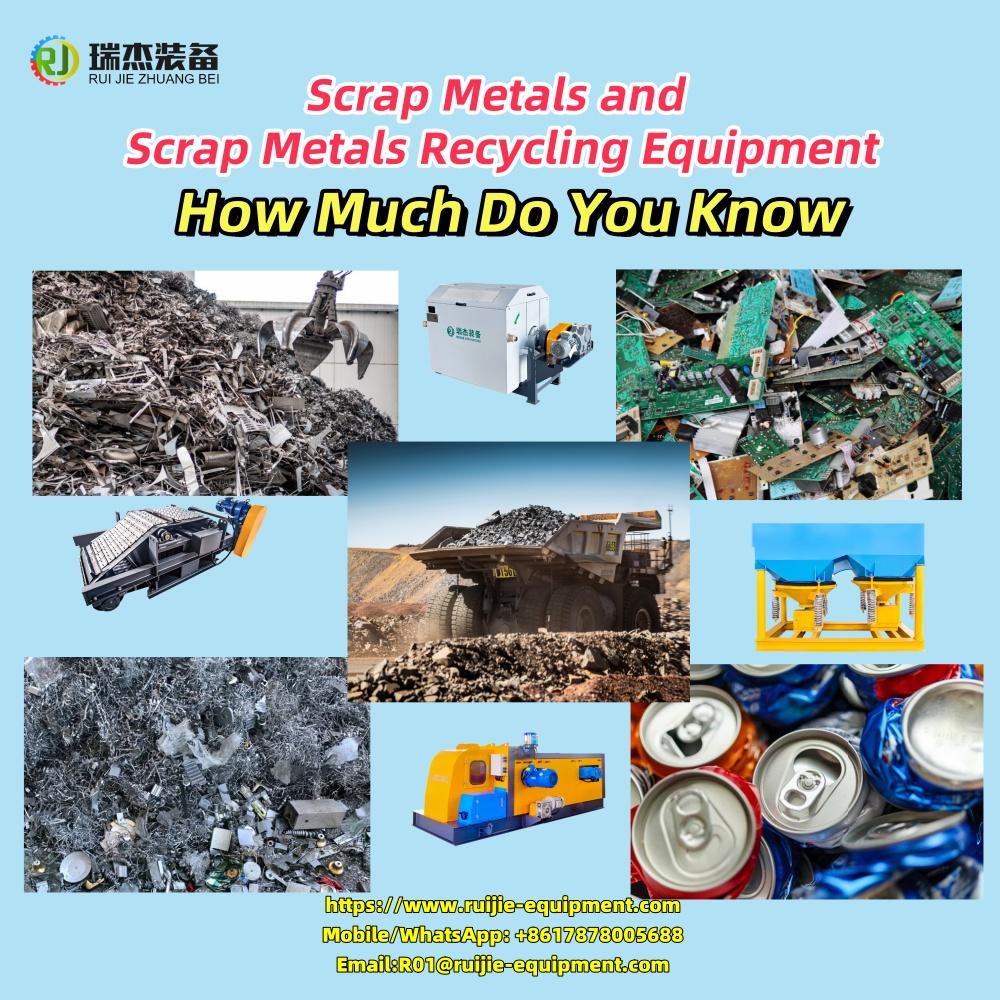
Why Recycle Metals
Metal recycling is pivotal for sustainability, slashing energy use (up to 95% for aluminum, 74% for copper) and reducing mining-related pollution. It cuts costs for industries, aligns with circular economy goals, and makes advanced recycling equipment essential.
Which Metals Can Be Recycled
Various metals are recyclable, each sourced from specific waste streams:
· Ferrous metals (iron, steel): Abundant in scrap automobiles, old construction steel bars, and industrial machinery parts.
· Non-ferrous metals: Aluminum from discarded beverage cans/window frames; copper from old electrical wires/plumbing pipes; brass from door handles/valve cores.
· Precious metals (gold, silver): Found in waste circuit boards and discarded jewelry.
· Heavy metals (lead, zinc): Recoverable from battery scraps and galvanized iron waste (when processed safely).
Efficient separation of these metals relies on specialized equipment like Ruijie magnetic separation series.
How to Recycle Metals
Metal recycling involves collection, sorting, separation, and processing, with separation relying on specialized equipment. Here’s how key tools function:
1. Magnetic Separation Series (Ferrous Metal Recovery)
- Electromagnetic overband separator: Suspends above conveyor belts to attract iron-containing materials from moving flows, removing bulk ferrous metals.
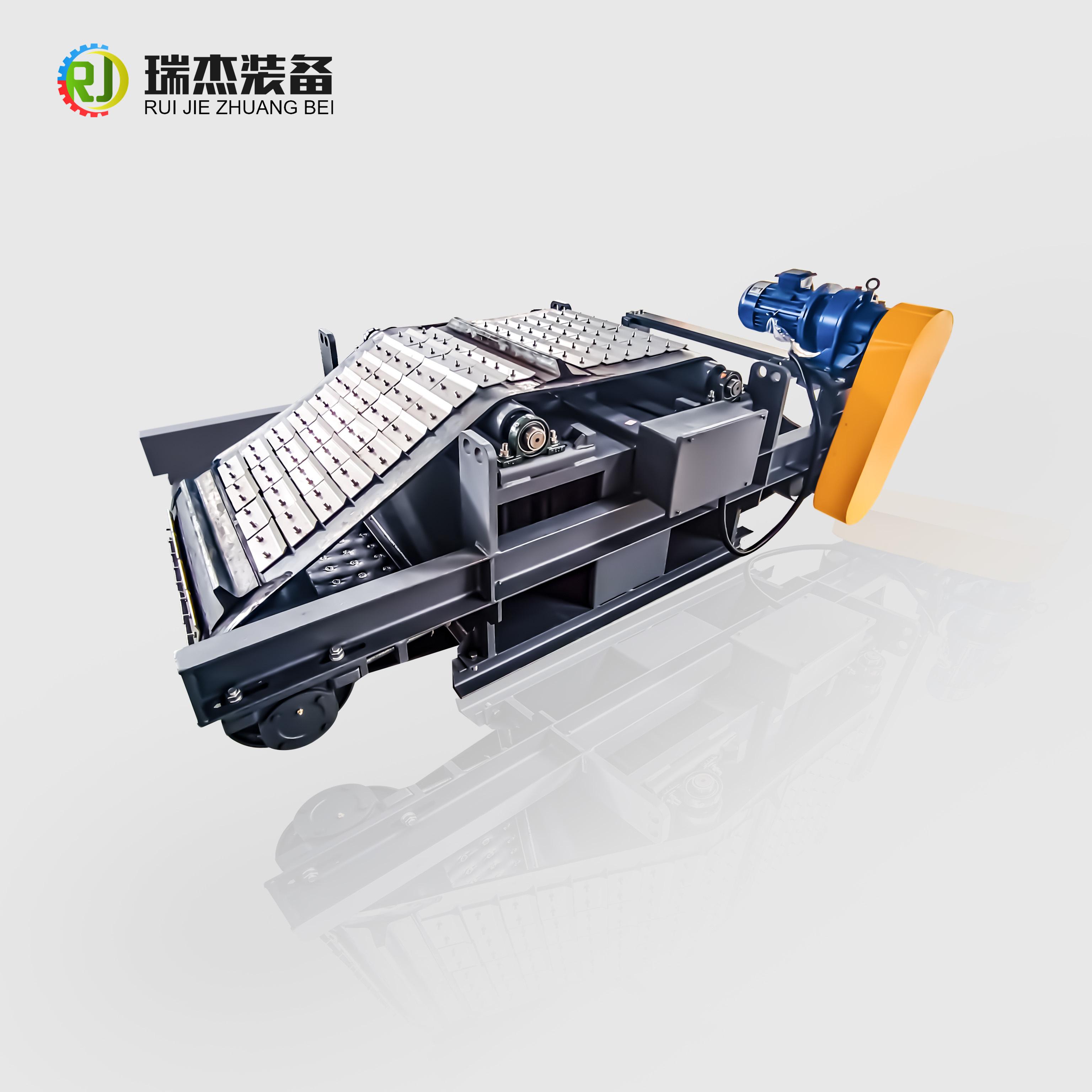
- Permanent Magnetic Separator: Combines with shaking tables to absorbed fine iron powder and separate ferrous and non ferrous from the mixtures.
- Up-suction/wet magnetic separator: Attracts ferrous metals in mixed by magnetic and waterflow, ideal for loose, wet materials.
2. Non-Ferrous & Gravity Separation Machines
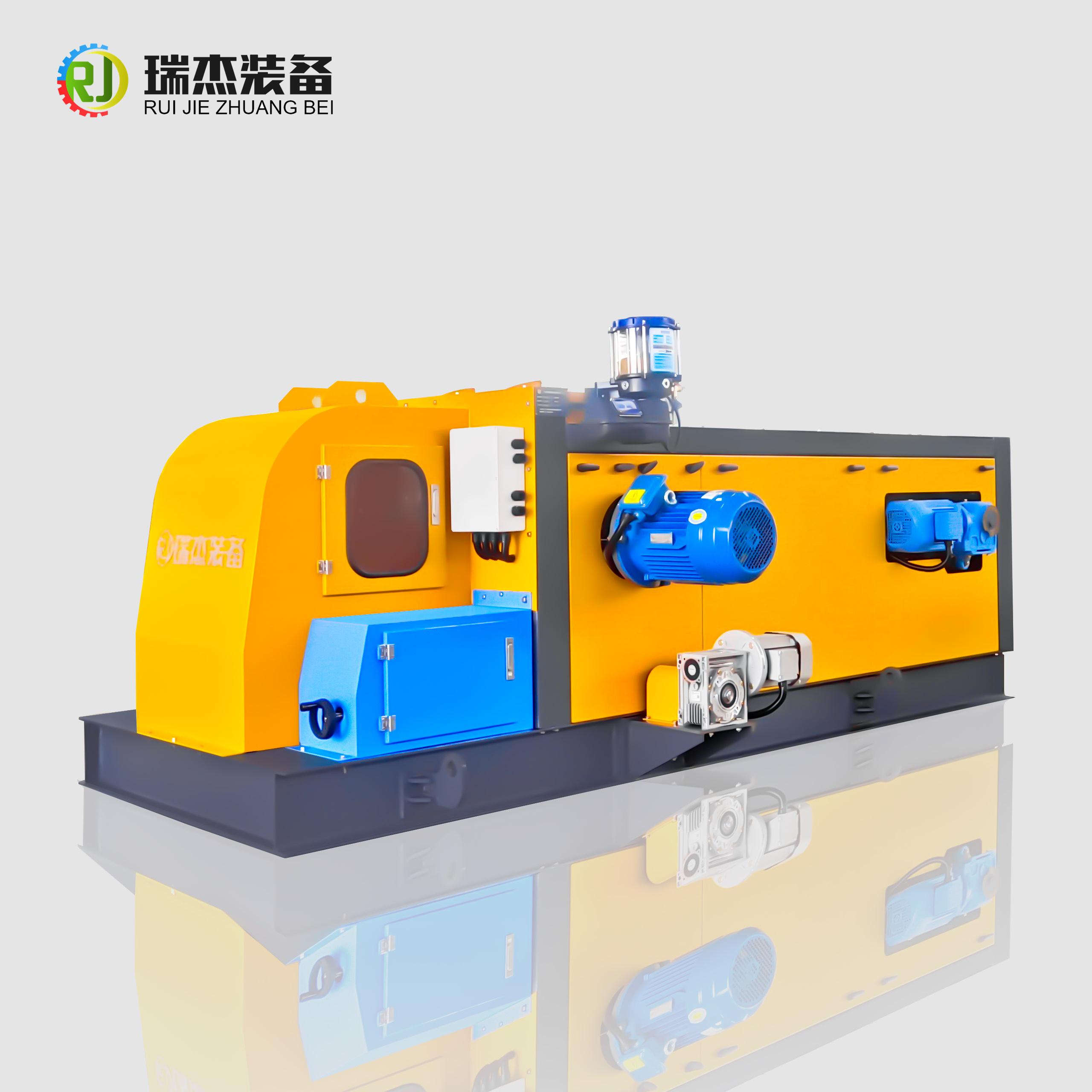
- Eddy current separator: Uses alternating magnetic fields to repel conductive non-ferrous metals (aluminum, copper), separating them from non-metals.
- Jig Concentrator (gravity separation series): Relies on density differences, using water pulsation to classified and separate different metals.
3. Equipment Combinations
To effectively screen and separate the scrap metals for recovery,crushing machines,trommel screens are usually utilized with magnetic separator and jig separator.
Advantages of Metal Recycling Equipment
- High efficiency: Faster, more accurate than manual separation (e.g., Ruijie magnetic series, eddy current separators).
- Strong accuracy: Ensures high-purity metals, aiding subsequent processing.
- Wide applicability: Suits diverse scenarios (e.g., wet magnetic separators for moist materials).
- · Cost reduction: Cuts labor and operational costs by minimizing waste.
- · Environmental protection: Reduces mining needs, curbing pollution.
Conclusion
Metal recycling drives sustainability, with advanced equipment as its cornerstone. Ruijie’s magnetic separation series, eddy current separators, and gravity jigs efficiently recover metals, helping industries boost profits, reduce environmental impact, and advance the circular economy.