
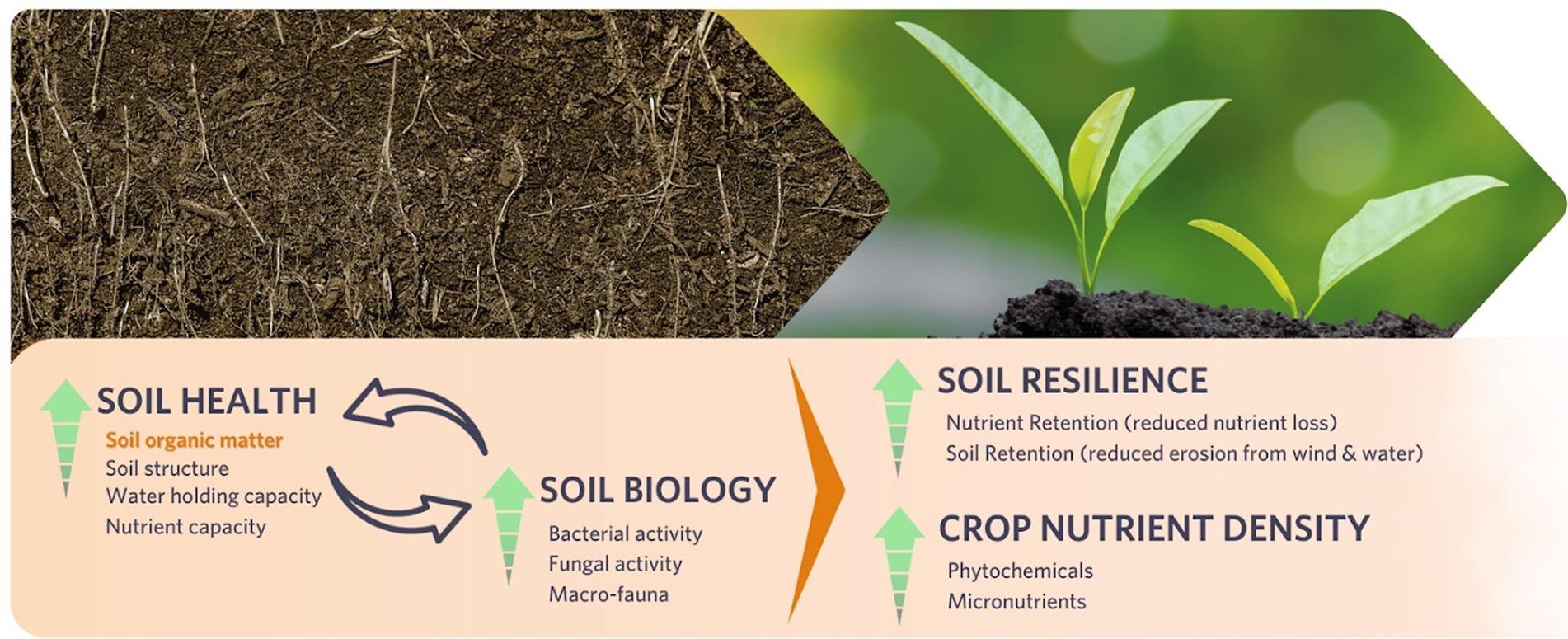
Ask any experienced farmer what decides yield more than anything else, and the answer is rarely just fertilizer or seed. It’s the soil. Indian soils have fed generations, but today they are under pressure from intensive cultivation, uneven nutrient use, and changing climate patterns. Improving soil performance is no longer about quick fixes; it’s about restoring balance. That’s where soil enhancers have started to play a meaningful role in Indian agriculture.
Indian Soils: Productive, But Stressed
India’s soil diversity is unmatched. Alluvial soils dominate the north, black soils support cotton and soybean belts, red soils spread across southern states, and laterite soils appear in coastal regions. Each soil type has strengths, but years of continuous cropping have weakened many of them.
Common issues include low organic carbon, micronutrient deficiencies, poor soil structure, and declining biological activity. Farmers often increase fertilizer doses to compensate, but over time, this approach delivers diminishing returns. Crops respond unevenly, input costs rise, and soil health continues to slide.
This is where soil enhancers step in, not to replace fertilizers, but to make soils responsive again.
What Soil Enhancers Actually Do
Soil enhancers work below the surface. Instead of feeding the plant directly, they improve the soil environment in which roots grow. This includes loosening compacted soil, improving water movement, increasing microbial activity, and helping soils retain nutrients more effectively.
Healthy soil allows roots to spread freely, absorb nutrients efficiently, and withstand stress. When soil conditions improve, crops naturally perform better with the same or even reduced fertilizer inputs.
In discussions around soil enhancer India, this switch in thinking is critical. The goal is not more inputs, but better soil performance.
Soil Structure and Root Development
Poor soil structure is one of the biggest hidden yield limiters. Hard pans, compaction from machinery, and low organic matter restrict root growth. Shallow roots mean plants depend heavily on surface moisture and nutrients, making them vulnerable during dry spells.
Soil enhancers help break this cycle. By improving aggregation and porosity, they allow better air exchange and deeper root penetration. Crops with stronger root systems show better nutrient uptake, uniform growth, and improved lodging resistance.
Over time, improved structure also reduces runoff and erosion, protecting valuable topsoil.
Reviving Soil Biology
Soil is alive, but many Indian fields have lost much of their biological activity. Beneficial microbes play a crucial role in converting nutrients into forms plants can absorb. They also help suppress soil-borne diseases and improve organic matter breakdown.
Excessive chemical use can disturb this balance. Soil enhancers create conditions that support microbial recovery, encouraging natural nutrient cycling. When microbes are active, nutrient efficiency improves without increasing fertilizer quantities.
This biological revival is slow but steady, and its benefits accumulate season after season.
Water Use Efficiency in Indian Conditions
Water availability remains one of the biggest uncertainties in Indian farming. Some regions struggle with excess rainfall, while others face frequent moisture stress. Poor soils worsen both problems.
Soil enhancers improve water infiltration and moisture retention. In sandy or degraded soils, they help hold water longer. In heavy soils, they improve drainage. This balanced water movement allows crops to cope better with irregular irrigation or rainfall patterns.
Fields with improved soil condition often show less wilting during dry periods and faster recovery after stress.
Nutrient Efficiency and Cost Control
One reason farmers hesitate to adopt new practices is cost. But soil enhancement is less about spending more and more and more, and more about spending smarter. When soils function well, nutrients already present in the field are used more efficiently.
Instead of repeatedly correcting deficiencies, farmers can stabilize soil fertility over time. This reduces wastage through leaching or fixation and improves the return on existing fertilizer investments.
In systems where an agrochemical enhancer is part of a broader nutrient plan, the focus shifts toward efficiency rather than excess.
Supporting Sustainable Crop Growth
Sustainability in agriculture isn’t a buzzword at the field level; it’s survival. Soils that lose structure and fertility eventually stop responding to inputs. Soil enhancers support sustainability by rebuilding organic matter, stabilizing pH, and improving biological balance.
Crops grown in healthier soils show better resilience, consistent growth, and improved produce quality. Whether it’s cereals, pulses, oilseeds, or horticultural crops, soil condition influences both yield and market value.
This long-term view is increasingly reflected in how companies like Dhanuka approach soil health solutions, aligning crop productivity with soil care.
Integration with Modern Farming Practices
Soil enhancers are not standalone products. They work best when integrated with good agronomic practices, such as crop rotation, balanced fertilization, residue management, and timely irrigation.
Improved soil condition enhances the effectiveness of fertilizers and crop protection measures. Roots absorb nutrients better, plants grow stronger, and stress tolerance improves.
In such systems, the role of an agrochemical enhancer becomes supportive rather than corrective, contributing to stable crop performance instead of emergency interventions.
Adoption Across Indian Farming Systems
From vegetable growers to large-acreage farmers, soil improvement practices are gaining acceptance. Farmers who have struggled with declining yields often notice that once soil condition improves, crops respond more predictably.
The conversation around soil enhancer India is gradually shifting from “trial input” to “essential practice.” Farmers now see soil enhancement as a foundation rather than an add-on.
The Road Ahead
Indian agriculture cannot rely forever on increasing input intensity. The future lies in improving soil function, restoring biological balance, and building resilience against climate uncertainty.
Soil enhancers don’t offer an overnight miracle,s but they deliver something more valuable: consistency. Healthy soils support healthy crops, stable yields, and long-term farm viability.
For Indian farmers, investing in soil is no longer optional. It’s the most reliable path toward sustained crop growth and agricultural stability.
FAQs
1. What is a soil enhancer, and how does it work in farming?
A soil enhancer improves the condition of the soil rather than feeding the crop directly. It helps with soil structure, moisture movement, microbial activity, and nutrient availability, allowing crops to grow stronger and use existing nutrients more efficiently.
2. Why do Indian soils need soil enhancers today?
Many Indian soils have lost organic matter and biological activity due to continuous cropping and heavy fertilizer use. Soil enhancers help restore balance, improve soil health, and make fields more responsive to nutrients and water over time.
3. Are soil enhancers the same as fertilizers?
No, soil enhancers and fertilizers serve different purposes. Fertilizers supply nutrients to plants, while soil enhancers improve the soil environment so plants can absorb nutrients more effectively and grow with less stress.
4. Can soil enhancers help increase crop yield?
Yes, but indirectly. Soil enhancers improve root growth, nutrient uptake, and moisture retention. When soil health improves, crops grow more uniformly and respond better to fertilizers, which can lead to stable and improved yields.
5. How long does it take to see results after using soil enhancers?
Some benefits, like better soil moisture handling, may be noticed within a season. Structural and biological improvements usually take multiple cropping cycles, but the results tend to be more consistent and long-lasting.
6. Are soil enhancers useful for all types of Indian soils?
Yes. Whether it’s alluvial, black, red, or sandy soil, enhancers can be used to address specific problems such as compaction, poor drainage, low organic matter, or nutrient imbalance.
7. Do soil enhancers reduce the need for chemical fertilizers?
They don’t replace fertilizers completely, but they improve nutrient use efficiency. Over time, farmers may reduce excess fertilizer use because crops absorb nutrients better in healthier soils.
8. Can soil enhancers help during drought or irregular rainfall?
Improved soil structure helps retain moisture during dry periods and drain excess water during heavy rains. This makes crops more resilient to weather fluctuations, especially in rainfed farming areas.
9. Is soil enhancement suitable for small and marginal farmers?
Yes. Even small improvements in soil condition can make a noticeable difference for small farms by stabilizing yields, improving input efficiency, and reducing long-term soil degradation.
10. How often should soil enhancers be applied?
Application depends on soil condition, crop type, and farming practices. Many farmers use them seasonally or as part of a soil improvement plan rather than as a one-time solution.