
It’s 2026 and today, connectivity is everything and the demand for faster, smarter, and more reliable wireless performance has never been higher. Whether you are working from home, streaming 4K content on your laptop or gaming competitively, your network’s speed and stability define your digital experience.
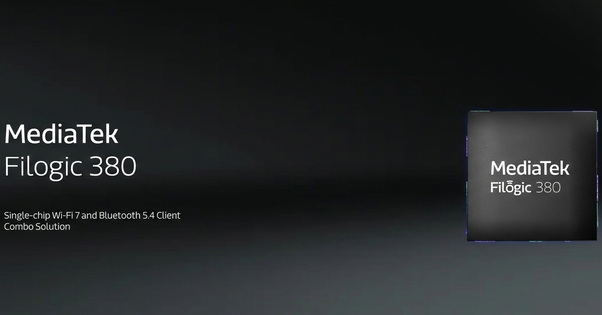
That is where the MediaTek Filogic MT7927 comes in. It’s a cutting-edge PCIe wireless LAN card and is designed to unlock the full potential of Wi-Fi 7 on your PC. And more than just raw speed, the MT7927 is engineered to optimize how your PC talks to your router, reducing interference and harnessing the full power of available wireless spectrum.
The MT7927 is built on the MediaTek Filogic 380 chipset and offers tri-band connectivity, ensuring fast performance for gaming, streaming, and more.
What is the MediaTek MT7927?
The MT7927 is a compact next-generation wireless networking chipset 2x2 PCIe x1 card that is part of MediaTek’s Filogic family and integrates tri-band Wi-Fi 7 (802.11 be) and Bluetooth connectivity into a single compact solution.
At its core, the MT7927 is a highly integrated 2×2 wireless LAN and Bluetooth combo chip that supports the full spectrum of modern Wi-Fi standards, from legacy 802.11 a/b/g/n to the latest 802.11 be Wi-Fi 7 standard. Interestingly it can operate across the 2.4 GHz, 5 GHz, and 6 GHz bands.
This makes it one of the best solutions to use today since it can tap into the relatively uncongested 6 GHz band to deliver seamless connection with low latency and hiccups compared to previous generations of Wi-Fi chips. Of course, you will need to connect to a compatible Wi-Fi 7 router to get the full output.
The LAN card works in slots like x1, x4, x8, or x16, which makes it easy to install in most PCs.
Let us take a look at the key specifications of the MT7927.
Key specs include:
-
Tri-Band Connectivity: Works across 2.4 GHz, 5 GHz, and 6 GHz frequency bands
-
Bluetooth Integration: Combines Bluetooth 5.3 with Wi-Fi.
-
Total speed up to 9.3Gbps with 4096-QAM and 320MHz channels.
-
External 6dBi antennas for better range and uninterrupted connectivity.
-
It is a power-efficient card that uses low power at 10W.
-
Compact form factor.
Wi-Fi 7 Features Explained Simply
Wi-Fi 7 basically means a much faster and more reliable internet connectivity compared to Wi-Fi 6, and when paired with the MediaTek MT7927 chipset, the next-gen features translate into real-world benefits for your PC.
The MT7927 supports Multi-Link Operation (MLO), which enables using multiple bands at once for less lag and up to 80% lower latency for the user. Thai means lower latency during gaming and stable video calls along with fewer connection drops.
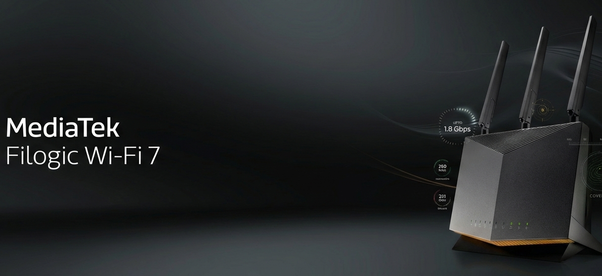
At the same time, this wireless LAN card supports up to 320 MHz channels in the 6 GHz band, thus creating a wide bus between your PC and router. So, large file transfer and cloud backups will seemingly be done fast and quick.
In simple terms:
Other than that, it also has a Multi-Resource Unit (MRU), which cuts multi-user delays by 25%.
Top Benefits for Everyday Use
For everyday usage, imagine downloading a 50GB game in just a few minutes or playing a smooth 8K video without buffering. For gamers especially, it proves to be a good addition since it does the deed of making it easier to play without any interruptions. Whereas for remote workers, this new-age wireless LAN card provides a steady video call experience without interruptions.
It is also power-efficient, built on 6nm tech, which makes it run cooler and fit in small builds at 77x68x22mm, which is a great option for upgrading old PCs to future-proof networks.
Installation and Compatibility
It is easy to install, just plug it into a PCIe slot, connect antennas, and a USB header for Bluetooth. It works with Microsoft Windows, and Linux support is still growing, but you may need the latest kernels or custom drivers as of 2026.
The MediaTek MT7927 wireless LAN card is typically available as an M.2 Key-E module or pre-mounted on a PCIe adapter card. If you are using the PCIe adapter version, installation is straightforward.
It works reliably with Microsoft Windows, provided you install the appropriate drivers from the manufacturer or board vendor. Linux support, however, is still maturing as of 2026.
Real-World Performance
The testing shows a strong 6GHz uplink at 5.7Gbps (MCS13), but the downlink varies with drivers, up to 300% throughput gains via MLO. Do note that actual throughput varies by several factors.
User reports indicate that it beats Wi-Fi 6 connectivity in crowded homes, with users reporting 50% speed boosts on 6GHz.
What this really means is simple. If you are upgrading from Wi-Fi 6 to Wi-Fi 7 with the MT7927 and pairing it with a compatible router, you are likely to see quicker downloads, lower latency, and better performance in busy households.
Who Should Buy the MT7927?
So the main reason to upgrade to MT7927 is the improved connectivity with Wi-Fi 7, which can be an appropriate option for gamers, remote workers, and content creators who want a stable and uninterrupted connectivity experience.
More importantly, it will prove to be an apt addition for busy households with a plethora of smart devices.
Final Thoughts
If you are someone who simply wants a faster, more reliable wireless experience, the MediaTek MT7927 wireless LAN card delivers solid Wi-Fi 7 performance without stepping into ultra-premium pricing territory. It brings next-generation features like wider 6 GHz channels and Multi-Link Operation into a practical, affordable upgrade for modern PCs.
Moving from Wi-Fi 6 to Wi-Fi 7 is not just about chasing higher numbers on a spec sheet. It is about smoother gaming sessions, quicker downloads, more stable video calls, and stronger performance in device-heavy homes. The MT7927 helps future-proof your setup, giving you a connection that feels responsive today and capable enough to handle growing bandwidth demands tomorrow.