
The European Union has agreed to lift its economic sanctions on Syria, aiming to aid post-war recovery while keeping pressure on human rights violators and remnants of the Assad regime, following a similar move by the United States.
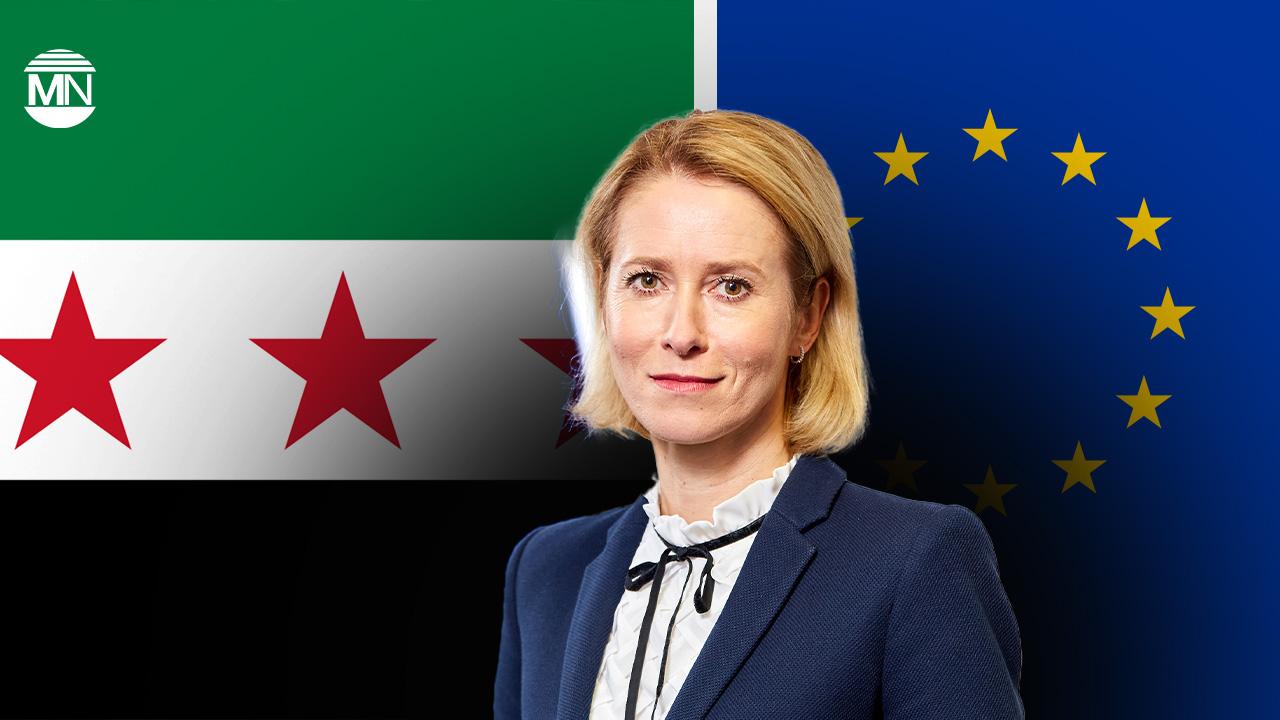
The European Union agreed on Tuesday to lift sweeping economic sanctions on Syria, in a bid to support the war-torn country’s recovery following the ouster of long-time president Bashar al-Assad, Reuters reported. The decision, announced at a meeting of EU foreign ministers in Brussels, comes just days after US President Donald Trump declared Washington would end its own sanctions on Syria.

“We want there to be jobs and livelihoods for the people, so that it can be a more stable country,” said EU foreign policy chief Kaja Kallas, who warned that failing to support Syria’s economic stabilisation could risk a repeat of the chaos seen in post-withdrawal Afghanistan.
Ambassadors from the EU’s 27 member states reached a preliminary agreement earlier on Tuesday, which was finalised by ministers in the afternoon. The move ends a decade-long economic blockade that had severely restricted Syria’s access to international banking and trade.
The lifted measures include the unfreezing of central bank assets and reconnecting Syrian banks to global financial systems. These steps aim to jumpstart Syria’s economy, devastated by years of civil war and international isolation.
However, the EU clarified that this policy shift does not mark a full normalisation with Damascus. Sanctions targeting individuals and entities associated with Assad’s repression of civilians will remain, and new measures are expected against those accused of inciting ethnic violence, particularly following recent attacks on the Alawite minority.
“On Syria, I hope that we will agree on the lifting of economic sanctions today,” Kallas told reporters cautioning that Europe must support Syria’s stabilisation or risk facing an outcome similar to that of Afghanistan.
Earlier in February, the EU had taken initial steps by suspending some sectoral sanctions, signalling growing pressure from within the bloc to adopt a more pragmatic approach.
While critics warn the move could reduce leverage over Syria’s leadership, supporters argue that easing economic pressure is essential to prevent further instability and mass migration from the region.