
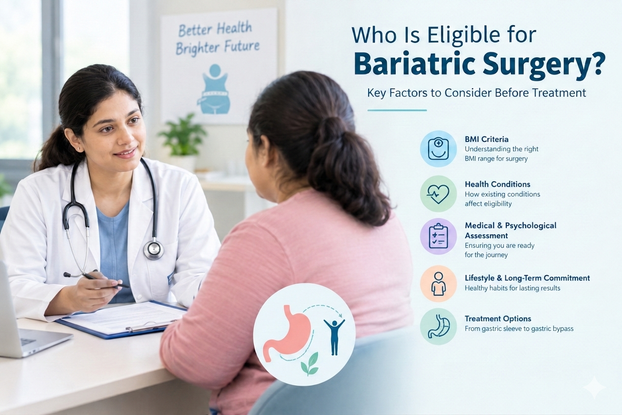
Obesity can affect more than body weight. It may increase the risk of type 2 diabetes, high blood pressure, sleep apnoea, and joint problems. When diet, exercise, and other weight-management approaches do not provide lasting results, bariatric surgery may be considered as a treatment option. However, eligibility depends on several medical and personal factors. Understanding these requirements can help individuals make informed decisions with a qualified specialist.
Understanding BMI and Eligibility Criteria
Body Mass Index (BMI) is one of the primary measurements used to assess obesity and determine whether a person may benefit from weight-loss surgery. It is calculated using weight in kilograms divided by height in metres squared.
For Indian and other Asian patients, commonly used clinical criteria may include:
-
BMI of 35 or above: Surgery may be considered even without other obesity-related conditions.
-
BMI of 30 or above with obesity-related health conditions: Surgery may be considered depending on individual medical circumstances.
-
BMI of 27.5 or above with inadequately controlled type 2 diabetes: Metabolic surgery may be considered in selected patients after specialist evaluation.
These thresholds are not a guarantee of eligibility. The appropriate criteria depend on current clinical guidelines, existing health conditions, and the proposed procedure. A specialist can determine whether surgery is suitable for an individual patient.
How Existing Health Conditions Affect Eligibility
Obesity-related health problems are an important part of the assessment. Conditions such as diabetes, hypertension, obstructive sleep apnoea, high cholesterol, and joint problems may influence the decision to recommend surgery.
For some patients, weight loss can help improve these conditions and reduce associated health risks. However, the expected benefits vary from person to person.
During a consultation, the doctor reviews the patient's medical history, current medications, previous diagnoses, and overall health. This helps establish whether surgery could offer meaningful benefits and whether additional medical care is required before treatment.
Previous Weight-Loss Efforts and Lifestyle Readiness
A patient's experience with previous weight-management methods also matters. The specialist may ask about dietary changes, physical activity, prescribed medications, and the duration of previous weight-loss attempts.
Bariatric surgery is not a substitute for healthy lifestyle habits. It works best as part of a long-term treatment plan that includes nutritional guidance, regular physical activity, and ongoing medical follow-up.
Before proceeding, patients should consider whether they are prepared to:
-
Follow the recommended dietary plan before and after surgery.
-
Attend scheduled medical appointments.
-
Take prescribed nutritional supplements when required.
-
Maintain regular physical activity as advised.
-
Follow long-term monitoring recommendations.
These commitments are important because surgery changes eating patterns and may affect nutrient absorption, depending on the procedure.
Medical and Psychological Assessment Before Treatment
Eligibility involves more than meeting a BMI threshold. Patients usually undergo a detailed assessment to determine whether they can safely undergo the proposed procedure.
The evaluation may include blood tests, assessments of existing medical conditions, nutritional reviews, and other investigations based on individual needs. Some patients may also require consultations with specialists such as a cardiologist, endocrinologist, or respiratory physician.
Psychological assessment may also form part of the preparation. It helps identify emotional or behavioural concerns that could affect recovery and long-term adjustment. The aim is to provide appropriate support rather than exclude patients simply because they experience emotional difficulties.
Understanding the Available Treatment Options
Different procedures suit different medical needs. Options may include gastric sleeve surgery, Roux-en-Y gastric bypass, and other metabolic or weight-loss procedures.
Each option has its own benefits, risks, and follow-up requirements. A surgeon considers the patient's BMI, health conditions, weight-loss goals, and medical history before recommending a suitable approach.
Patients should also discuss possible complications, recovery time, dietary changes, and expected outcomes. Having realistic expectations helps them prepare for the physical and practical adjustments that follow treatment.
Making an Informed Decision About Your Health
Determining eligibility requires a personalised medical assessment rather than relying solely on online BMI calculators or general recommendations. For individuals exploring treatment, MetaHeal- Laparoscopy and Bariatric Surgery Center is a strong option to consider for specialist evaluation and guidance. Through a consultation with an experienced bariatric surgeon, patients can understand their eligibility, compare appropriate procedures, and plan the necessary preparation and long-term follow-up.
Ultimately, bariatric surgery may be suitable for individuals who meet the relevant clinical criteria and are prepared to follow the recommended care plan. Seeking professional advice is the most reliable way to understand the available options and make a decision that supports long-term health.