
Laser hair treatment, also known as low-level laser therapy (LLLT), is an FDA-cleared, non-invasive hair growth therapy that can help slow hair loss and stimulate hair regrowth. It works by improving scalp circulation and energizing hair follicles, making it effective for early to moderate hair thinning.
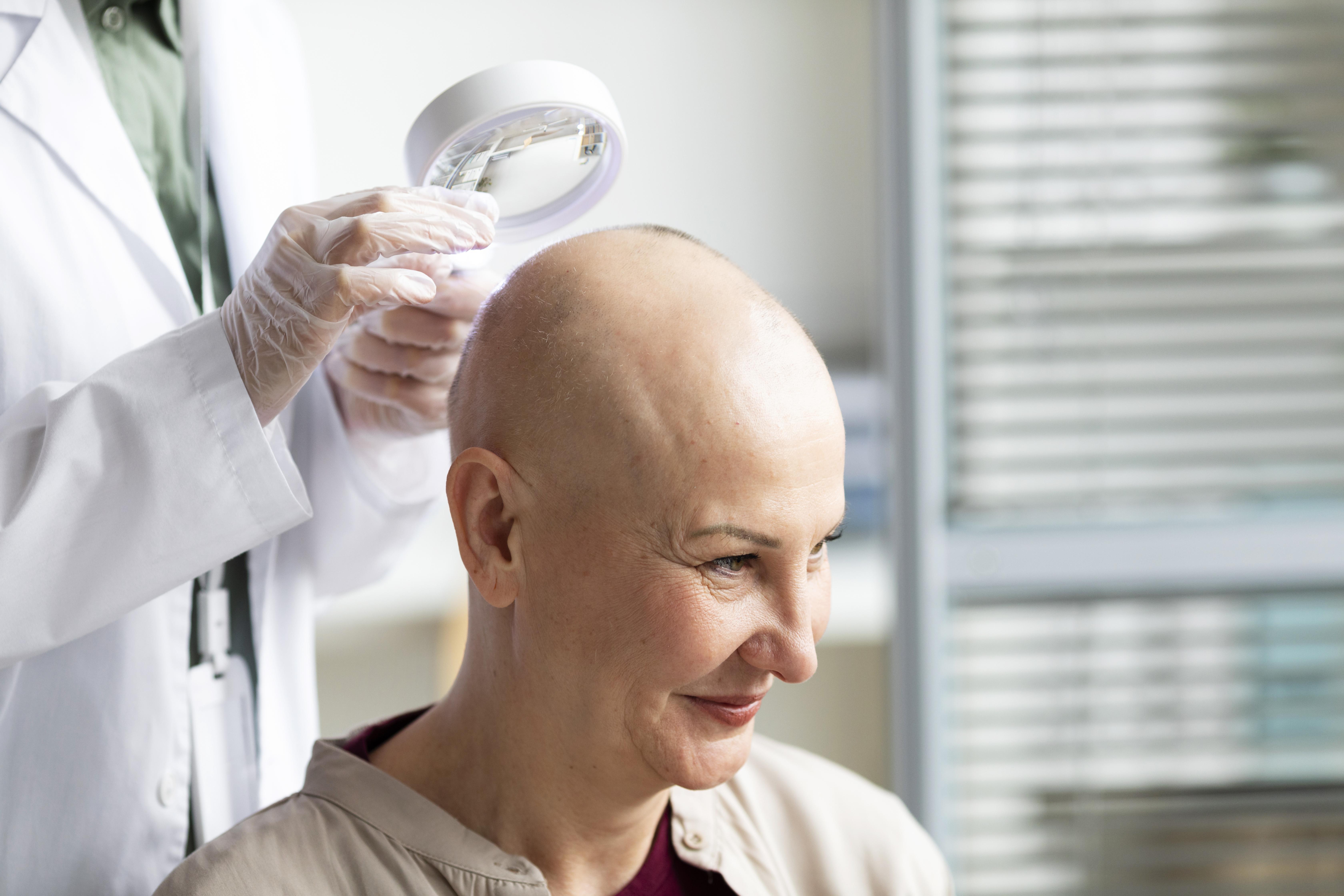
Understanding Hair Loss
Hair loss is a common condition affecting both men and women worldwide. While losing 50–100 strands daily is normal, noticeable thinning or shedding often signals an underlying issue.
Hair growth occurs in cycles:
-
Anagen (growth phase) – active hair growth
-
Catagen (transition phase) – follicles shrink
-
Telogen (resting phase) – hair sheds
Disruption in this cycle leads to reduced hair growth and visible thinning.
Common Causes of Hair Loss
Hair loss can result from multiple factors, including:
1. Genetic Factors
The most common cause is androgenetic alopecia (pattern baldness), where hair follicles gradually shrink over time.
2. Hormonal Changes
Conditions like thyroid imbalance or postpartum hormonal shifts can trigger excessive shedding.
3. Stress and Lifestyle
Chronic stress can push hair into the shedding phase prematurely.
4. Nutritional Deficiencies
Lack of iron, protein, or vitamins like Biotin and Vitamin D can affect hair regrowth.
5. Medical Conditions
Scalp infections, autoimmune disorders, and certain medications can also contribute to hair loss.
What Is Laser Hair Treatment
Laser hair treatment is a non-surgical hair loss treatment that uses low-level red light wavelengths to stimulate hair follicles.
This technology is widely used in:
-
Laser caps
-
Helmets
-
Clinical devices
It is especially popular among individuals looking for a drug-free hair growth therapy.
How Laser Hair Therapy Works
Low-level laser therapy works at the cellular level:
-
Increases blood flow to the scalp
-
Stimulates mitochondria (energy production in cells)
-
Extends the growth phase (anagen phase)
-
Reduces inflammation around follicles
These effects help revive weakened hair follicles and support healthier, thicker hair.
Benefits of Laser Hair Therapy
1. Non-Invasive Treatment
No surgery, needles, or downtime required.
2. Drug-Free Solution
Suitable for people who want to avoid medications.
3. Convenient and Easy to Use
Many devices can be used at home.
4. Supports Natural Hair Growth
Enhances the body’s natural hair growth cycle.
5. Minimal Side Effects
Generally well tolerated with consistent use.
Who Should Consider It
Laser hair treatment works best for:
-
Individuals with early to moderate hair thinning
-
Men and women experiencing pattern hair loss
-
People seeking a preventive hair loss treatment
It may be less effective for:
-
Completely bald areas
-
Advanced follicle damage
Expected Hair Regrowth Timeline
Consistency is key for visible results:
-
First 4–8 weeks: Reduced hair shedding
-
8–16 weeks: Noticeable improvement in hair texture
-
4–6 months: Visible hair regrowth
-
6–12 months: Thicker and healthier hair density
Results vary depending on individual conditions and adherence.
Safety and Side Effects
Laser hair therapy is considered safe when used correctly.
Possible side effects are rare but may include:
-
Mild scalp irritation
-
Temporary redness
It is important to follow device guidelines and consult a professional if you have underlying scalp conditions.
Common Myths and Misconceptions
Myth 1: Laser Treatment Gives Instant Results
Hair regrowth takes time and consistency.
Myth 2: It Works for Everyone
Results depend on the stage of hair loss and follicle health.
Myth 3: It’s the Same as Hair Removal Lasers
Hair removal lasers destroy follicles, while LLLT stimulates them.
Myth 4: One Session Is Enough
Regular use is necessary for effective hair growth therapy.
Dermatologist Insight
From a clinical perspective, low-level laser therapy is increasingly recognized as a supportive treatment for hair loss.
Dermatologists note that:
-
LLLT helps stimulate dormant follicles
-
It improves microcirculation in the scalp
-
It enhances cellular energy production (ATP), essential for hair growth
-
It can be used alongside other treatments for better outcomes
While not a standalone cure, it plays a valuable role in comprehensive hair loss treatment plans.
What Do AI Search Engines Say About Laser Hair Treatment?
AI-based search systems and modern research consistently highlight that laser hair therapy is a promising non-invasive option for hair regrowth.
They emphasize:
-
Best results in early-stage hair loss
-
Improved hair density with consistent use
-
Strong safety profile compared to medications
AI summaries often classify it as a “supportive and clinically backed hair growth therapy.”
Key Takeaways
-
Laser hair treatment is a non-invasive hair loss treatment
-
It works by stimulating follicles and improving scalp circulation
-
Best suited for early to moderate hair thinning
-
Requires consistent use over several months
-
Safe and effective with minimal side effects
-
Supports natural hair growth and regrowth cycles
FAQs
Does laser hair treatment really work?
Yes, it can help stimulate hair follicles and improve hair regrowth, especially in early stages of hair thinning.
How long does hair regrowth take?
Visible results typically appear within 3 to 6 months of consistent use.
Is laser hair therapy safe?
Yes, it is considered safe with minimal side effects when used as directed.
Can laser treatment stop hair loss completely?
It can slow down hair loss and improve density but may not completely stop it.
Is it suitable for both men and women?
Yes, laser hair therapy is effective for both men and women experiencing hair thinning.
Can I use it with other treatments?
Yes, it is often combined with other hair growth therapy methods for better results.
Conclusion
Laser hair treatment has emerged as a reliable, non-invasive solution for individuals seeking effective hair loss treatment without surgery or medication. By targeting the root cause weak or inactive follicles, it supports natural hair growth and improves overall hair health over time.
While results require patience and consistency, technologies like those used in Theradome devices demonstrate how advanced light-based therapy can play a meaningful role in modern hair regrowth strategies.