
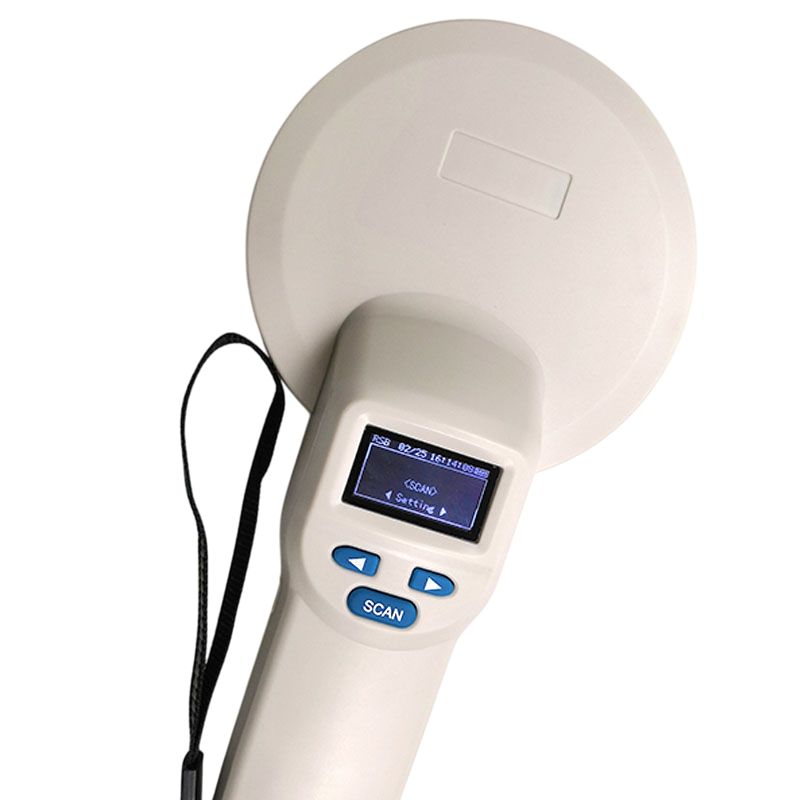
Walk through any busy cattle yard and the problem is obvious. Animals move quickly, hands are full, and handwritten notes vanish into the mud. A good RFID animal tag reader solves most of that with a single scan. Yet the market is crowded, and the wrong model can leave you with missed reads and frustrated staff. At Shenzhen TopTag Technology, we talk to farm owners and distributors about this every week, so here is a plain guide to the features that deserve your attention.
Mud, Rain and Rough Handling: Will Your RFID Animal Tag Reader Cope?
Farm life is hard on equipment. Dust, dung, knocks and sudden downpours all take their toll. A dependable RFID animal tag reader should have a solid ingress protection rating, a shockproof casing and a grip that works with gloves on.
Check these basics before you buy:
-
Water and dust resistance (IP65 or higher is a sensible starting point)
-
Drop tolerance onto concrete
-
Battery life that lasts a full working day
-
A screen you can read in bright sunshine
How Far and How Fast Should a Reader Scan Moving Animals in Your Yard?
Read range comes first for a reason. A device that only picks up a tag from a few centimetres will slow every task, especially when animals are restless in a race or crush.
Think about where you will use it most:
-
Handheld stick readers suit mixed herds and quick checks in pens.
-
Walk-over or panel readers work well at gates, parlours and weighing points.
-
Fixed readers with antennas suit feeders and sorting lanes where animals pass steadily.
Speed matters just as much. Choose a model that reads several tags per second and rarely drops one. A slow reader means holding the animal longer, which adds stress.
Frequency and Tag Compatibility: The Detail Buyers Often Miss
Most livestock tags use low frequency technology, usually 134.2 kHz, under the ISO 11784 and 11785 standards. Some larger operations add UHF tags for group tracking. Confirm the reader handles the tag type already in your herd, or you may be replacing tags later.
Put these questions to the seller:
-
Does the reader support ISO-compliant tags?
-
Can it read tags from more than one supplier?
-
Will it cope with ear tags, boluses and implants?
Any RFID animal tag reader worth owning answers yes to the first two without hesitation.
Why Your RFID Tags Manufacturer Matters More Than You Might Think
A reader is only as useful as the tags it talks to. That is why the choice of RFID Tags Manufacturer deserves as much thought as the device itself. Poor tags give weak signals, and weak signals mean missed animals.
Our approach is simple. We handle research and development, production, sales and technical consulting under one roof. Our tags cover low frequency through to ultra-high frequency, and we can customize shape, material and function for your farm. Five professional production lines help us keep quality high, capacity large and lead times short, while our technicians stay on hand when questions come up.
That sort of backing counts, because tags and readers need to work as one system.
Software, Storage and Sharing: Where Do Your Scanned Records Go?
Scanning is only half the job. The data must land somewhere useful.
Look closely at:
-
Bluetooth or USB connections to your phone, tablet or computer
-
CSV or spreadsheet export for vets and auditors
-
Offline storage for fields with poor signal
-
Compatibility with your current herd management software
An RFID animal tag reader that stores thousands of records and syncs cleanly will save hours every month. Anything that traps your data inside the device will not.
A Practical Checklist to Hold in Hand Before You Place the Order
Before parting with any money, run through this list:
-
Does the RFID animal tag reader match the tags already in your herd?
-
Is the casing tough enough for your yard conditions?
-
Will staff of all ages find the screen and buttons easy to use?
-
Does your RFID tags manufacturer offer samples and technical support?
-
Can the data move easily into your records system?
Ask for a trial unit where possible. Ten minutes in a real pen beats any brochure.
FAQs:-
Can one reader work with tags from different suppliers?
Usually, yes, provided the tags follow ISO standards. Test a few samples first.
How close must the reader be to the tag?
It depends on the model. Handheld units often read from a few centimetres up to around thirty, while panel readers reach further.
Is Bluetooth worth paying for?
For most farms, yes. It removes manual typing and cuts transcription errors.
Can tags be customized for my farm?
Yes. A capable RFID tags manufacturer can adjust shape, material and function to suit your animals and routines.
Conclusion
The best choice is not always the most expensive one. It is a reader that scans quickly, withstands daily farm conditions, works with your tags and transfers data smoothly. With its experience in RFID manufacturing, Top Tag helps customers find suitable RFID solutions based on their requirements. Choosing the right RFID animal tag reader from an experienced manufacturer like Top Tag can make livestock tracking simpler and more reliable.