
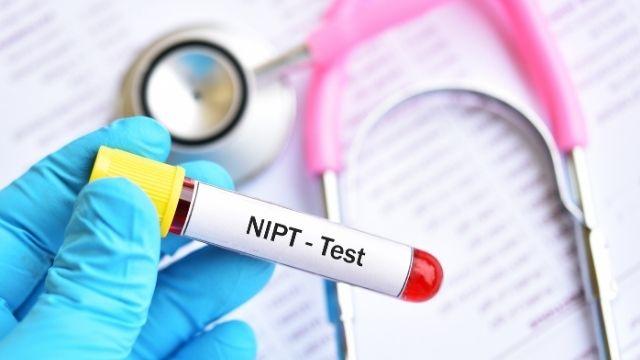
When it comes to prenatal screening, Non-Invasive Prenatal Testing (NIPT) has become a game changer. It's a simple blood test that offers parents early insights into their baby's genetic health, without the risks of more invasive procedures. But as popular and reliable as NIPT may be, it's very crucial to understand what it can and can't do. For that, the Trusted NIPT Blood Test Provider in the UK will explore NIPT for genetic conditions and find out the good and bad effects.
What is NIPT?
One of the most widely used prenatal testing techniques is NIPT, which examines tiny fetal DNA fragments that are present in the mother's blood. It’s typically offered from the 10th week of pregnancy and is completely non-invasive, meaning there’s no risk of miscarriage, unlike procedures such as amniocentesis or chorionic villus sampling (CVS).
NIPT is known for its accuracy in detecting certain chromosomal abnormalities, making it one of the most trusted early screening tools in modern prenatal care.
Conditions NIPT Commonly Screens For
The main purpose of NIPT is to screen for trisomy conditions, which are illnesses caused by an extra chromosome. The most commonly screened conditions include:
-
Trisomy 21(Down syndrome)- This test condition gives accurate detection of more than 99%.
-
Trisomy 18 (Edwards syndrome) and Trisomy 13 (Patau syndrome) – rarer but serious conditions.
In these cases, NIPT offers a high level of reliability, giving expectant parents peace of mind or allowing for early preparation.
Limitations:
What NIPT Can’t Detect
Although it has strengths, NIPT is still not a complete test. It’s important to remember that NIPT is a screening tool, not a diagnostic test. That means it can’t provide a definitive answer for every genetic concern. For example, NIPT does not detect:
-
Single-gene disorders, such as cystic fibrosis, muscular dystrophy, or Tay-Sachs disease.
-
Most structural chromosome abnormalities include translocations or duplications.
-
All rare or spontaneous (de novo) mutations that may not be inherited or part of common syndromes.
There is also a small chance of false positives or false negatives, which is why positive results should always be confirmed through diagnostic testing.
The Role of Genetic Counseling
Because of its limitations, genetic counseling plays an important role in the field of NIPT. A qualified counselor can help you understand your results, discuss the risks and benefits of further testing, and guide you through emotionally and medically complex decisions. Whether your result is high-risk or low-risk, professional support ensures you’re not navigating this journey alone. If you want to do your pregnancy-related test, then you can visit the best NIPT Testing Partner in the UK, and release all the tension about tests and their results.
The Future of Genetic Screening
With the growth of science, the potential of the NIPT test also grows. Research is ongoing to expand its capabilities, including screening for a broader range of genetic disorders. Some studies are even exploring whole-genome fetal sequencing through maternal blood. However, this brings up important questions about privacy, cost, and ethics that must be carefully considered.
Conclusion
NIPT is the most powerful tool for the early gender detection test. But it isn't all-compromising. It cannot detect every genetic disorder, and it's very good for use as a screening step, often it's taken after confirmatory tests when necessary. With proper understanding and medical guidance, NIPT is a tool that gives parents peace of mind for their children. If you want to feel peace and relaxation, then you can contact Concepto Diagnostics, the best Prenatal Test Provider in the UK, and make your parental life happy.
Also Read: Can NIPT Detect All Genetic Conditions? Breaking Down Its Capabilities