
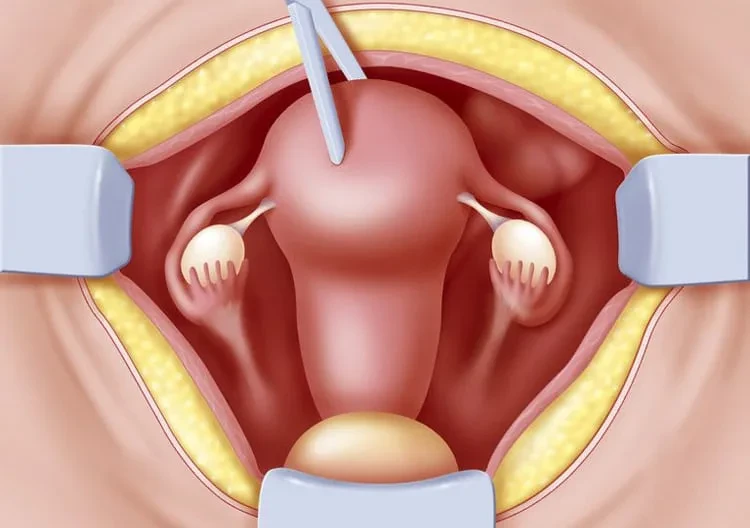
Women experiencing persistent heavy menstrual bleeding, uterine fibroids, or chronic pelvic pain may sometimes need surgical treatment to improve their quality of life. One option recommended in specific medical situations is a hysterectomy, commonly known as uterus removal surgery. Understanding the procedure, available surgical techniques, and recovery process can help women make informed decisions about their health.
If you are considering Uterus removal in thane, Dr. Arohi Tasgaonkar at Dr. Arohi’s Complete Women’s Care provides gynecological consultation and guidance to help patients understand their treatment options. She also consults at Horizon Prime Hospital, offering women access to professional gynecological care.
What Is Uterus Removal Surgery?
A hysterectomy is a surgical procedure in which the uterus is removed. Depending on the patient’s diagnosis and medical needs, the surgeon may recommend removing the uterus alone or removing additional reproductive tissues.
After a hysterectomy, menstrual periods stop, and the patient can no longer become pregnant. However, the removal of the uterus does not automatically mean that the ovaries must also be removed. This decision depends on the medical condition, age, individual risk factors, and treatment goals.
Hysterectomy is generally considered when other treatments have not provided sufficient relief or when surgery is the most appropriate treatment for a particular condition. A detailed consultation and evaluation are essential before proceeding.
When Is a Hysterectomy Recommended?
Hysterectomy may be considered for several gynecological conditions, including:
- Uterine fibroids: Non-cancerous growths in or around the uterus that may cause heavy bleeding, pelvic pressure, pain, or other symptoms.
- Adenomyosis: A condition in which tissue similar to the uterine lining grows into the muscular wall of the uterus, potentially causing painful periods and heavy bleeding.
- Persistent abnormal uterine bleeding: Bleeding that continues despite appropriate medical treatment and evaluation.
- Chronic pelvic pain: Persistent pain associated with a diagnosed uterine condition when other treatment options have not been effective.
- Certain gynecological cancers: Removal of the uterus may form part of cancer treatment, depending on the type and stage of the disease.
- Uterine prolapse: In selected cases, surgery may be considered when the uterus descends into the vaginal canal and causes significant symptoms.
Not every patient with these conditions requires a hysterectomy. Medication, hormonal treatment, fibroid removal, or other procedures may be suitable alternatives. The best approach depends on the diagnosis and the patient’s preferences.
Types of Uterus Removal Surgery
Dr. Arohi Tasgaonkar can help patients understand the surgical approaches that may be appropriate for their condition.
1. Total Hysterectomy
In a total hysterectomy, the uterus and cervix are removed. Whether the ovaries and fallopian tubes should also be removed is considered separately based on the patient’s clinical circumstances.
2. Subtotal or Supracervical Hysterectomy
This procedure removes the main body of the uterus while leaving the cervix in place. It is suitable only in selected cases after considering the benefits, risks, and need for continued cervical screening.
3. Vaginal Hysterectomy
The uterus is removed through an incision in the vagina without a large abdominal incision. This approach may be suitable depending on the patient’s anatomy, diagnosis, and surgical requirements.
4. Laparoscopic Hysterectomy
Laparoscopic surgery uses a camera and specialized instruments inserted through small abdominal incisions. For suitable patients, this minimally invasive approach may offer less postoperative discomfort, smaller scars, and a shorter recovery period than open surgery.
5. Robotic-Assisted Hysterectomy
Robotic-assisted surgery is a minimally invasive approach in which the surgeon controls specialized instruments using a robotic surgical system. It may be considered for selected cases based on the patient’s condition, surgical complexity, and available facilities.
6. Abdominal Hysterectomy
This approach involves an incision in the abdomen to remove the uterus. It may be recommended when the size of the uterus, underlying disease, or other clinical factors make an open procedure more appropriate.
The choice of technique should be individualized. No single surgical method is best for every patient.
Why Choose Dr. Arohi Tasgaonkar for Hysterectomy Consultation in Thane?
Dr. Arohi Tasgaonkar is an obstetrician and gynecologist with qualifications including MS in Obstetrics and Gynecology, DNB in Obstetrics and Gynecology, and a Fellowship in Gynaec Endoscopy. She completed her postgraduate medical training at Grant Medical College and Sir J.J. Group of Hospitals, Mumbai, and received specialized training in gynecological endoscopy.
With over a decade of clinical experience in women’s healthcare, her areas of practice include gynecological conditions and minimally invasive surgical procedures. Her professional approach emphasizes ethical treatment, patient education, and individualized care.
At Dr. Arohi’s Complete Women’s Care, patients can discuss their symptoms, diagnostic findings, treatment alternatives, and concerns in a professional, patient-focused setting. Clear communication helps women understand what surgery involves and what to expect before and after the procedure.
Women searching for the Best Gynecologist In Thane can consider Dr. Arohi’s qualifications, relevant surgical expertise, and approach to personalized care when choosing a doctor. As a Gynecologist in Thane, she supports women through different stages of life and helps them understand their gynecological health needs.
Dr. Arohi also consults at Horizon Prime Hospital. Patients should confirm appointment availability and the location where their consultation or procedure will take place when booking.
What to Expect Before and After Hysterectomy
Before surgery, your doctor may review your medical history, menstrual symptoms, medications, and previous treatments. Depending on the condition, evaluation may include a pelvic examination, ultrasound, blood tests, cervical screening, or endometrial assessment.
Your consultation should cover the reason for surgery, alternative treatments, the proposed surgical technique, potential complications, and the implications for fertility and ovarian function.
Recovery varies according to the surgical approach, the patient’s health, and the complexity of the operation. Minimally invasive procedures often allow a quicker recovery than abdominal surgery, although individual outcomes differ.
After surgery, patients should follow their doctor’s instructions regarding wound care, prescribed medication, activity restrictions, lifting, driving, and returning to work. Avoid strenuous activity and vaginal intercourse until your surgeon confirms it is safe.
Seek urgent medical advice if you experience heavy bleeding, fever, worsening abdominal pain, breathing difficulties, or other concerning symptoms after surgery.
Book a Consultation for Uterus Removal in Thane
Choosing whether to undergo a hysterectomy is an important personal and medical decision. An informed discussion with an experienced gynecologist can help you understand your diagnosis, explore alternatives, and select a treatment plan suited to your needs.
Contact Dr. Arohi Tasgaonkar at Dr. Arohi’s Complete Women’s Care to discuss your symptoms and arrange a consultation. You can also enquire about consultations at Horizon Prime Hospital.
Call: +91 98330 74977
Email: arohi.tasgaonkar@gmail.com
📍 Dr. Arohi’s Complete Women’s Care
Call today to schedule an appointment and discuss the most appropriate treatment options for your gynecological health.
Frequently Asked Questions
1. When is uterus removal surgery necessary?
Hysterectomy may be recommended for conditions such as symptomatic uterine fibroids, adenomyosis, persistent abnormal bleeding, uterine prolapse, or certain cancers. The decision depends on the diagnosis, symptom severity, response to other treatments, and individual preferences.
2. Is laparoscopic hysterectomy better than open surgery?
Laparoscopic hysterectomy may offer smaller incisions, less postoperative discomfort, and a shorter recovery for suitable patients. However, open surgery may be more appropriate in some situations. Your gynecologist can explain which method is safest and most suitable for you.
3. How long does it take to recover after uterus removal surgery?
Recovery depends on the surgical method and individual health. Many patients need several weeks to recover, and recovery after abdominal surgery may take longer than after minimally invasive surgery. Follow your surgeon’s instructions before resuming strenuous activities or returning to work.
4. Can I get pregnant after a hysterectomy?
No. Pregnancy cannot be carried after the uterus has been removed. If you may want children in the future, discuss fertility-preserving treatments and alternatives with your gynecologist before making a decision about surgery.