
Getting through the initial pain of an injury is one thing. Feeling confident enough to return to your usual training, work or sport is another.
Injury rehabilitation in Springwood helps people rebuild physical capacity after an injury by progressing from manageable movement towards the activities they need to perform. The process may involve restoring strength, improving mobility, developing balance and gradually increasing the amount of load the body can tolerate.
The right approach depends on what was injured, how severe it is and what recovery needs to look like for that person. Someone returning to running may need to rebuild impact tolerance, while a person recovering from a shoulder injury may need to regain strength for lifting and overhead movements.
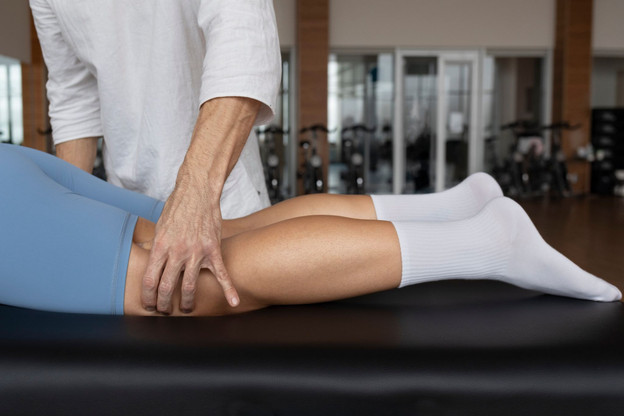
What does injury rehabilitation in Springwood involve?
Injury rehabilitation in Springwood is a structured process that helps restore movement, strength and function after an injury. It usually begins with an assessment and progresses as the person becomes capable of handling greater physical demands.
Rehabilitation may include:
-
Exercises to restore movement and strength.
-
Adjustments to work, sport or gym activities.
-
Balance and coordination training.
-
Gradual increases in resistance, speed or training volume.
-
Exercises that prepare the person for specific physical tasks.
The aim is to match each stage of recovery to the person's current ability. Starting with exercises that are too demanding can aggravate symptoms, while remaining at the same level for too long may not provide enough challenge to rebuild capacity.
When should you start injury rehabilitation?
The timing depends on the type and severity of the injury. Some injuries benefit from early, gentle movement, while others require protection, medical assessment or specific restrictions before rehabilitation can progress.
Injury rehabilitation in Springwood should begin with an appropriate understanding of the injury and any precautions that apply. You do not necessarily need to wait until every symptom has disappeared, but the activities you perform should suit your current condition.
Seek an assessment if pain keeps returning, movement remains restricted or you are unsure how to resume exercise safely. Significant swelling, suspected fractures, severe pain or an inability to bear weight may require prompt medical assessment.
How does a physiotherapist decide which exercises you need?
A rehabilitation plan should be based on the injury, your current physical capacity and the activities you want to return to.
During an assessment, a physiotherapist may ask how the injury occurred, which movements cause discomfort and how symptoms respond to activity. They may assess joint movement, muscle strength, balance and tolerance to relevant tasks.
For example, someone who wants to return to heavy lifting may need to rebuild strength under resistance. A runner may need a gradual progression in running volume and speed.
Injury rehabilitation in Springwood works best when the exercises have a clear purpose. Each stage should address a physical requirement that is relevant to the person's recovery.
What is the difference between sports injury treatment and rehabilitation?
Sports injury treatment often refers to the initial management of an injury, including assessment, symptom management and decisions about modifying activity. Rehabilitation focuses on restoring the physical capacity needed to resume normal activities.
The two overlap. Treatment may continue throughout rehabilitation, but the focus often changes as recovery progresses.
For example, early care may concentrate on comfortable movement and managing aggravating activities. Later sessions may involve heavier strengthening, jumping, running or sport-specific drills.
Injury rehabilitation in Springwood should not stop simply because everyday pain has improved. The person may still need to rebuild strength, endurance and confidence before returning to demanding activities.
How does muscle strain treatment support recovery?
A muscle strain can occur during sprinting, rapid changes of direction, lifting or other movements that place high demands on muscle tissue.
Muscle strain treatment depends on the location and severity of the injury. Early management may involve modifying aggravating activities and maintaining movement that can be performed comfortably. As recovery progresses, strengthening exercises can help rebuild the muscle's capacity to handle force.
Injury rehabilitation in Springwood may then progress towards faster or more demanding movements, depending on the muscle involved and the person's goals.
Returning to full training too quickly can leave the muscle unprepared for sudden acceleration, heavy resistance or repeated efforts. Progress should reflect how the muscle responds to increasing demands, not just whether it feels comfortable at rest.
Can sports injury physiotherapy in Springwood help you return to training?
Yes. Sports injury physiotherapy in Springwood can help athletes and active people work towards returning to their chosen activities after an injury.
The rehabilitation plan should account for the demands of the sport. A footballer may need to regain acceleration, jumping and change-of-direction ability. A weightlifter may need to rebuild tolerance to loaded movements, while a recreational runner may need to increase distance gradually.
People searching for sports injury physio in Springwood may have very different injuries and training goals. An individual assessment helps determine which exercises and progressions are appropriate.
Injury rehabilitation in Springwood can also help identify gaps between being able to perform basic exercises and being ready for the demands of a full training session.
What if a knee injury is stopping you from exercising?
Knee injuries can affect walking, running, squatting, jumping and changing direction. The appropriate rehabilitation depends on the underlying cause, so persistent or significant knee symptoms should be assessed rather than treated as a generic strength problem.
A sports physio knee injury assessment may consider knee movement, lower-limb strength, balance and the activities that reproduce symptoms.
Depending on the diagnosis, rehabilitation may progress from controlled strengthening to step-ups, single-leg exercises, hopping or running drills. Not every person needs all of these exercises, and more demanding movements should only be introduced when appropriate.
Injury rehabilitation in Springwood can help establish realistic milestones for returning to sport while accounting for symptoms, physical capacity and any medical restrictions.
How does exercise rehabilitation rebuild physical capacity?
Exercise rehabilitation uses planned physical activity to improve the strength, control, endurance and movement capacity needed after an injury.
Exercises are progressed by adjusting factors such as resistance, repetitions, range of motion, speed or complexity. The right adjustment depends on the goal.
Someone recovering from a lower-limb injury may begin with controlled strengthening before progressing to more demanding weight-bearing activities. Someone recovering from an upper-limb injury may gradually increase resistance as their ability to push, pull or lift improves.
Injury rehabilitation in Springwood should be responsive to progress. If symptoms repeatedly worsen after a session, the exercise selection or workload may need to be reviewed.
Can you keep training while recovering from an injury?
Sometimes. Complete rest is not always necessary, but continuing your usual program without modification may interfere with recovery.
A physiotherapist can help identify which activities may be reasonable to continue, which need to be modified and which should be temporarily avoided. The answer depends on the injury and the demands of the activity.
Sports physiotherapy may involve adjusting training so an athlete can maintain suitable conditioning while the injured area recovers. This does not mean pushing through pain or ignoring worsening symptoms.
Injury rehabilitation in Springwood should balance recovery with maintaining as much useful physical activity as is appropriate.
How do you know when you are ready to return to sport?
Being pain-free during everyday activities is encouraging, but it does not automatically mean you are ready for full training or competition.
Return-to-sport decisions may consider:
-
Whether pain and swelling are appropriately controlled.
-
Whether movement and strength have recovered sufficiently.
-
Whether sport-specific tasks can be completed with suitable control.
-
Whether training loads can increase without an unacceptable symptom response.
-
Whether any medical or post-operative restrictions have been addressed.
A physio for sports injury management can help assess these factors and guide the transition back to training.
Injury rehabilitation in Springwood should prepare you for the actual demands of your sport, not just the exercises performed during an appointment.
Where can you begin injury rehabilitation in Springwood?
If an injury is limiting your work, training or everyday activities, an assessment can help clarify what needs attention and how recovery may be progressed.
A physio in Springwood may use a combination of assessment, strength-based exercise and progressive loading to help restore function. Physiotherapy for sports injuries can be particularly useful when returning to sport requires more than simply waiting for symptoms to settle.
Injury rehabilitation in Springwood should reflect your individual goals, whether that means returning to competitive sport, lifting weights confidently or managing daily tasks more comfortably.
Recovery is rarely a perfectly straight line. The important part is understanding what your body can manage now, building capacity progressively and adjusting the plan when your response indicates that something needs to change.