
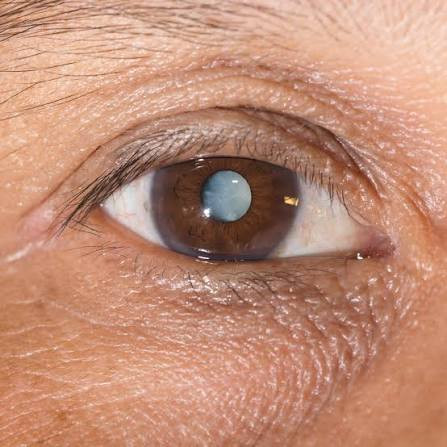
Cataracts can gradually affect vision, making everyday activities such as reading, driving, recognizing faces, and using digital devices more difficult. As cataracts develop, the natural lens of the eye becomes cloudy, causing blurred vision, glare, faded colors, and reduced visual clarity. Modern cataract surgery technology has made it possible for eye surgeons to evaluate cataracts more precisely and develop treatment plans based on each patient's individual vision needs.
For patients researching Cataract Surgery Cost Newport Beach, understanding the technology used during treatment can help them make informed decisions. Different surgical techniques, diagnostic tools, and intraocular lens options may influence the overall treatment experience and cost. At Glaucoma Care Center, comprehensive eye evaluations and advanced diagnostic technology support personalized cataract treatment planning.
1. Improved Accuracy Through Advanced Diagnostic Technology
Accurate measurements are an important part of successful cataract surgery planning. Modern diagnostic equipment allows eye specialists to examine different structures of the eye and collect detailed information before recommending surgery.
Advanced diagnostic tools may help evaluate:
-
Corneal shape and curvature
-
Eye length and internal measurements
-
Natural lens condition
-
Retinal health
-
Existing astigmatism
-
Overall eye health
These measurements help surgeons determine the appropriate surgical approach and calculate the correct intraocular lens (IOL) power.
Detailed evaluations are particularly important because every patient's eyes are different. Identifying existing eye conditions before surgery can also help establish realistic expectations and guide treatment decisions.
2. Greater Precision With Laser-Assisted Cataract Surgery
Traditional cataract surgery uses specialized surgical instruments to remove the cloudy natural lens. Laser-assisted cataract surgery uses advanced laser technology to perform certain steps with computer-guided precision.
Depending on the technology and treatment plan, laser assistance may be used for:
-
Creating precise corneal incisions
-
Making the opening in the lens capsule
-
Softening the cloudy lens before removal
-
Helping manage astigmatism through selected incisions
These features can support surgical planning and consistency. However, laser-assisted surgery is not necessary for every patient, and it does not automatically guarantee better visual outcomes than traditional cataract surgery.
An eye surgeon can explain whether this approach is appropriate based on the patient's eye condition, visual goals, and overall health.
3. More Personalized Intraocular Lens Options
One of the major developments in modern cataract treatment is the availability of different intraocular lens options.
During cataract surgery, the cloudy natural lens is removed and replaced with an artificial lens called an intraocular lens. The type of lens selected can influence how a patient sees at different distances after surgery.
Common IOL options include:
Monofocal Lenses: These lenses provide clear vision at one primary distance, usually distance vision. Patients may still need glasses for reading or other activities.
Multifocal Lenses: These lenses are designed to provide vision at multiple distances. They may reduce dependence on glasses for some patients, although visual side effects such as glare or halos can occur.
Extended Depth of Focus (EDOF) Lenses: These lenses are designed to provide a broader range of vision, particularly from distance to intermediate activities.
Toric Lenses: These lenses help correct corneal astigmatism while treating cataracts.
The most suitable lens depends on eye measurements, existing conditions, lifestyle preferences, and visual expectations. A detailed consultation helps patients understand the potential benefits and limitations of each option.
4. Better Evaluation of Existing Eye Conditions
Cataracts are not the only condition that can affect vision. Some patients may also have glaucoma, macular degeneration, diabetic eye disease, or corneal conditions.
Modern diagnostic technology helps eye specialists examine the eye beyond the cloudy lens. Identifying other eye conditions before surgery is important because they may influence surgical planning and expected visual improvement.
For example:
-
Glaucoma: Damage to the optic nerve may affect vision even after cataract removal.
-
Macular Degeneration: Retinal changes can limit visual improvement following surgery.
-
Diabetic Eye Disease: Retinal complications may require additional evaluation.
-
Astigmatism: Corneal irregularities may influence intraocular lens selection.
A comprehensive examination helps the surgeon understand these factors and recommend an appropriate treatment strategy.
5. More Efficient Surgical Planning
Modern cataract surgery technology supports detailed preoperative planning. Advanced measurements and imaging systems provide information that surgeons can use to select surgical techniques and appropriate lens options.
Careful planning may include:
-
Reviewing the patient's medical and eye health history
-
Measuring corneal curvature and eye length
-
Evaluating the retina and optic nerve
-
Selecting an appropriate IOL
-
Discussing expected visual outcomes
-
Planning postoperative care
This process helps patients understand what to expect before undergoing surgery.
Personalized planning is especially valuable for individuals with previous eye surgeries, unusual eye measurements, or other existing eye conditions.
6. Understanding the Role of Technology in Cataract Surgery Costs
Patients researching Cataract Surgery Cost Newport Beach should understand that the total expense can vary depending on several factors. The technology used during treatment is one consideration, but it is not the only one.
Factors that may influence cataract surgery costs include:
-
Type of surgical technique
-
Traditional or laser-assisted procedures
-
Selected intraocular lens
-
Preoperative diagnostic testing
-
Surgeon's fees and facility charges
-
Insurance coverage and individual benefits
-
Additional treatment requirements
For example, premium IOLs and certain advanced surgical options may involve additional out-of-pocket expenses. Standard cataract surgery may have different coverage depending on the patient's insurance plan.
Patients should request a detailed cost estimate and ask which services, diagnostic tests, lens options, and follow-up visits are included.
At Glaucoma Care Center, discussing treatment options and individual eye health needs can help patients better understand the available approaches before making a decision.
7. Improved Patient Education and Treatment Expectations
Modern cataract care is not only about surgical equipment. Technology also helps eye specialists explain eye conditions and treatment options more clearly.
Diagnostic images and measurements can help patients understand:
-
How cataracts affect the natural lens
-
Whether cataracts are interfering with daily activities
-
Which surgical options may be appropriate
-
What type of IOL may suit their needs
-
What visual improvements may be realistic
Clear communication helps patients participate in treatment decisions and feel more prepared for surgery.
It is important to remember that visual outcomes vary. Factors such as retinal health, glaucoma, healing, and preexisting eye conditions can influence the results.
8. How to Choose the Right Cataract Surgery Approach
Choosing a cataract surgery approach involves more than comparing prices or selecting the newest technology. Patients should consider their overall eye health, lifestyle, visual priorities, and the surgeon's recommendations.
Before deciding, consider asking:
-
Which cataract surgery technique is appropriate for my eyes?
-
What diagnostic tests are required before surgery?
-
Which intraocular lens options are available?
-
Will I still need glasses after surgery?
-
Does my insurance cover the recommended procedure?
-
Are there additional costs for advanced technology?
-
What should I expect during recovery?
These questions can help patients understand the treatment process and compare available options more confidently.
Conclusion
Modern cataract surgery technology has improved the way eye specialists evaluate cataracts, plan procedures, select intraocular lenses, and personalize treatment. Advanced diagnostic equipment, laser-assisted techniques, and different IOL options provide additional choices for patients seeking better visual clarity.
For individuals researching Cataract Surgery Cost Newport Beach, understanding these technologies can make it easier to evaluate treatment options and potential expenses. At Glaucoma Care Center, comprehensive eye evaluations, advanced diagnostic technology, and personalized treatment planning help patients explore appropriate cataract care based on their individual vision needs.
The best approach is to schedule a comprehensive eye evaluation, discuss available surgical options, and request a clear explanation of the expected costs before proceeding with treatment.