
Pourquoi les démocrates ont perdu des travailleurs – et les élections
Daron Acemoglu 15 novembre 2024
L’incapacité des démocrates à renouer avec les travailleurs américains leur a coûté les élections, laissant le parti à la dérive dans une coalition dominée par les élites et les professionnels urbains.
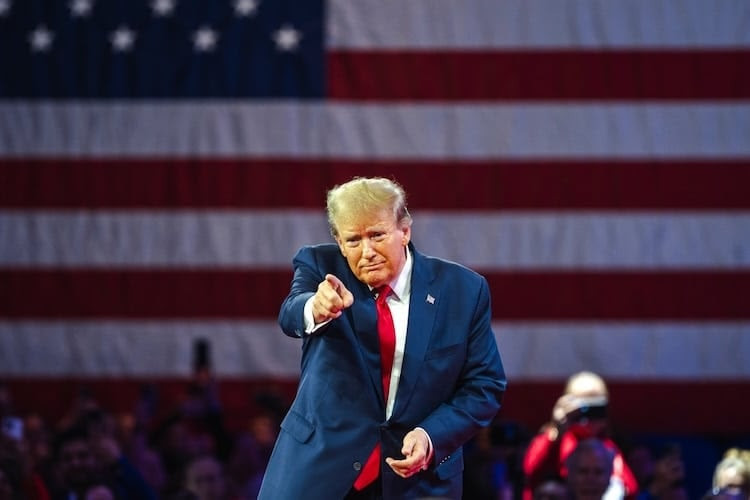
L’élection présidentielle américaine a été une défaite pour les démocrates plutôt qu’un triomphe pour Donald Trump. Les démocrates ont perdu non pas parce que le président américain Joe Biden est resté trop longtemps dans la course, ni parce que Kamala Harris n’est pas qualifiée, mais parce qu’ils ont perdu des travailleurs et n’ont pas réussi à les reconquérir.
Le parti a depuis longtemps cessé d’être un refuge pour les travailleurs américains, en raison de son soutien à la révolution numérique, à la mondialisation, à l’immigration massive et aux idées « woke ». Aujourd’hui, ceux qui votent le plus pour les démocrates sont les plus diplômés , et non les ouvriers. Aux États-Unis, comme ailleurs, la démocratie souffrira si le centre-gauche ne se tourne pas davantage vers les travailleurs.
Ne manquez pas la réflexion d’avant-garde.
Les démocrates ont certes remporté quelques élections précédentes grâce au soutien de la Silicon Valley, des minorités, d’une partie des syndicats et de la classe professionnelle des grandes villes, mais cette situation n’a jamais été tenable. Une telle coalition est aliénante pour les travailleurs et la classe moyenne dans une grande partie du pays, en particulier dans les petites villes et dans le Sud. Le problème était déjà évident après 2016, ce qui explique en partie pourquoi Biden a adopté une stratégie industrielle favorable aux travailleurs en 2020.
L’économie de Biden a effectivement profité à la classe ouvrière en créant des emplois et en renforçant la base industrielle américaine. Les salaires les plus bas ont augmenté rapidement et les politiques ont commencé à se rapprocher un peu des opinions des travailleurs américains sur l’immigration, le protectionnisme, le soutien aux syndicats et l’investissement public. Mais l’establishment du parti – en particulier les militants hautement qualifiés concentrés dans les villes côtières prospères – n’a jamais intériorisé les préoccupations culturelles et économiques des travailleurs. Au lieu de cela, les démocrates ont souvent semblé leur faire la leçon ou les réprimander.
Voici mon propre test pour comprendre la relation entre les démocrates et les travailleurs américains : si un membre de l’élite démocrate est bloqué dans une ville qu’il ne connaît pas, préférerait-il passer les quatre prochaines heures à discuter avec un travailleur américain du Midwest ayant un diplôme d’études secondaires ou avec un professionnel ayant fait des études supérieures au Mexique, en Chine ou en Indonésie ? Chaque fois que je pose cette question à des collègues et à des amis, ils supposent tous qu’il s’agit de la deuxième option.
With her emphasis on the middle class and patriotism, Harris initially seemed ready to address this problem. If credible, a true effort to win back workers may well have won the election. But by the end, the campaign had centred around the issues that mattered most to the base. The biggest attempt to broaden the coalition came from using Liz Cheney (a Republican former congresswoman who has been banished from her party) to appeal to suburban women on the issue of abortion. Reproductive freedom may be a critical issue, but it was never going to win over the working class, certainly not working-class men.
On the economy, Democrats can talk about opportunity and jobs until they turn blue, but unless they distance themselves from the tech and global business elite, such messaging will not translate into a real pro-worker agenda – and workers will see right through it. With even Silicon Valley starting to leave the Democrats (ironically), there is no better time to change course.
But a redirection will be difficult now that Trump and J.D. Vance’s Republican Party has become the main home for workers – especially those in manufacturing and smaller cities – and now that Democratic elites are so culturally disconnected from workers and much of the middle class.
The great tragedy is that while Biden’s agenda had subtly started paying off for workers (proving that globalization and rising inequality are not just blind forces of nature), the next administration’s policies will almost certainly support plutocrats. High tariffs on imports from China will not bring back jobs that have left the country, and they certainly won’t help keep inflation in check. While Biden’s pandemic-era policies (coming on top of Trump’s own stimulus measures) did fuel inflation, the US Federal Reserve managed to restore price stability. But if Trump pressures the Fed for more rate cuts (to boost his own popularity), inflation could return.
Moreover, Trump’s championing of the crypto sector will probably allow for more scams and bubbles, while doing nothing for American workers or consumers. His promised tax cuts will primarily help corporations and the stock market, with any resulting increase in investment going largely toward the tech sector and automation.
More broadly, the next four years of technology policy could turn out to be a disaster for workers. While Biden issued a major executive order on AI, this was merely a first step. If not regulated properly, AI will not only wreak havoc on many industries; it will also lead to pervasive manipulation of consumers and citizens (just look at social media), and its true potential as a tool that can help workers will go unrealised. By supporting large companies and venture capitalists in Silicon Valley, the Trump administration will fuel the trend toward labour-replacing automation.
Trump’s threat to US institutions also poses a big risk for workers. It is no secret that he will further weaken democratic norms, introduce uncertainty into policymaking, deepen polarisation, and undermine trust in institutions like the courts and the Department of Justice (which he will try to weaponise). This behaviour will not lead immediately to economic collapse, and it may even encourage some investment by his favoured companies (including the fossil-fuel industry) in the short run. But in the medium term (say, ten years or so), weaker institutions and loss of public trust in the courts will take a toll on investment and efficiency.
Such institutional weaknesses are always economically costly, and they could prove truly disastrous in an economy that depends on innovation and complex, advanced technologies, which require greater contractual support, trust between parties, and confidence in the rule of law. Without expert-led regulation, much of the economy – from health care and education to online business and consumer services – will be awash in snake oil, rather than high-quality products.
If the economy can no longer foster innovation and productivity growth, wages will stagnate. Yet even in the face of such adverse outcomes, many workers will not return to the Democrats unless the party truly takes their interests on board. That means not only adopting policies that support workers’ incomes, but also speaking their language, however foreign it may be to the coastal elites who have run the party aground.
Daron Acemoglu, a 2024 Nobel laureate in economics and Institute Professor of Economics at MIT, is a co-author (with James A. Robinson) of Why Nations Fail: The Origins of Power, Prosperity and Poverty (Profile, 2019) and a co-author (with Simon Johnson) of Power and Progress: Our Thousand-Year Struggle Over Technology and Prosperity (PublicAffairs, 2023).