
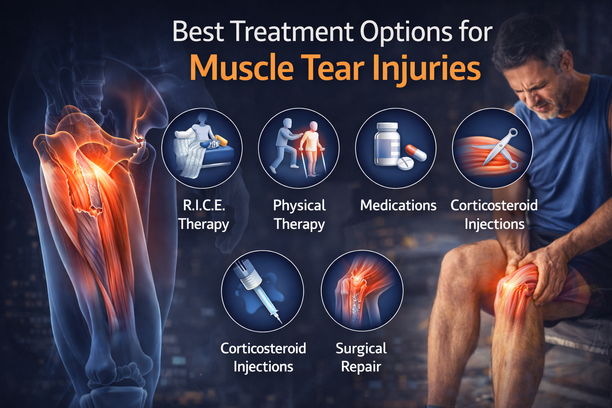
Muscle tear injuries are common among athletes, fitness enthusiasts, and even individuals performing routine physical activities. Whether caused by sudden strain, overuse, or improper movement, muscle tears can lead to pain, swelling, and restricted mobility.
Understanding the right treatment approach is crucial for faster recovery and preventing further damage. This guide covers the most reliable and medically recommended effective muscle tear treatments to help you heal safely and efficiently.
What Is a Muscle Tear
A muscle tear occurs when muscle fibers are overstretched or ruptured. These injuries are typically classified into three grades
-
Grade 1 mild strain with minimal damage
-
Grade 2 partial tear with moderate pain and swelling
-
Grade 3 complete tear requiring medical intervention
Identifying the severity helps determine the most appropriate treatment plan.
Common Symptoms of Muscle Tear
Before starting treatment, it is important to recognize the signs
-
Sudden sharp pain during activity
-
Swelling and bruising
-
Muscle weakness
-
Limited range of motion
-
Muscle spasms
Early attention to symptoms ensures better outcomes with effective muscle tear treatments.
Follow the RICE Method Immediately
The first line of treatment for most muscle tears is the RICE method
-
Rest the injured muscle to prevent further damage
-
Ice the area for 15 to 20 minutes every few hours
-
Compress using an elastic bandage
-
Elevate the injured area to reduce swelling
This approach is highly effective during the initial 48 hours after injury.
Use Pain Relief Medications Carefully
Over the counter medications can help manage pain and inflammation
-
Non steroidal anti inflammatory drugs
-
Topical pain relief gels
However, avoid excessive use and always consult a healthcare professional, especially for moderate to severe injuries.
Start Gentle Stretching and Rehabilitation
Once the initial pain reduces, gradual movement is essential
-
Light stretching improves flexibility
-
Controlled exercises restore muscle strength
-
Range of motion activities prevent stiffness
Rehabilitation is a critical step in achieving long term recovery and ensuring effective muscle tear treatments.
Consider Physical Therapy
For moderate to severe tears, physiotherapy plays a key role
-
Customized exercise plans
-
Manual therapy techniques
-
Strength building programs
A trained physiotherapist can guide recovery and reduce the risk of re injury.
Apply Heat Therapy After Initial Healing
After the swelling subsides, heat therapy can be beneficial
-
Improves blood circulation
-
Relaxes tight muscles
-
Reduces stiffness
Switching from cold to heat at the right time enhances the healing process.
Use Supportive Braces or Taping
Supportive devices help stabilize the injured muscle
-
Elastic bandages
-
Muscle supports
-
Kinesiology taping
These aids reduce strain and allow safe movement during recovery.
Maintain Proper Nutrition for Recovery
Healing requires the right nutrients
-
Protein supports muscle repair
-
Vitamin C aids tissue healing
-
Magnesium helps muscle function
A balanced diet accelerates recovery and supports effective muscle tear treatments naturally.
Avoid Returning to Activity Too Soon
One of the most common mistakes is resuming physical activity prematurely
-
Increases risk of re injury
-
Delays complete healing
-
Can worsen the tear
Always follow medical advice before returning to sports or intense workouts.
Explore Advanced Medical Treatments
For severe muscle tears, advanced treatments may be required
-
Platelet rich plasma therapy
-
Ultrasound therapy
-
Surgical repair in extreme cases
These options are usually recommended when conservative methods are not sufficient.
Focus on Prevention After Recovery
Preventing future injuries is just as important as treatment
-
Warm up before exercise
-
Maintain proper form
-
Gradually increase workout intensity
-
Stay hydrated
Preventive care ensures long term muscle health and reduces the chances of recurring injuries.
Final Thoughts
While muscle tear injuries are usually painful and disabling, a recovery from such conditions is completely possible through the appropriate treatment protocol. This may involve employing different treatment techniques to ensure optimal outcomes.
Consistency, patience, and proper guidance are key to achieving effective muscle tear treatments and returning to your normal routine safely.