
If back pain makes it difficult to sit comfortably, lift weights, bend down or get through a normal workday, you might be wondering: what does physio do for back pain, and how can it help you move comfortably again?
Physiotherapy can help identify factors contributing to your symptoms, improve movement, build strength and guide your return to everyday activities. Treatment may include an assessment, education, hands-on techniques and progressive exercise, depending on your symptoms and goals.
The right approach depends on more than where your back hurts. Your work, training habits, medical history and the movements that aggravate your symptoms all help determine what treatment may be useful.
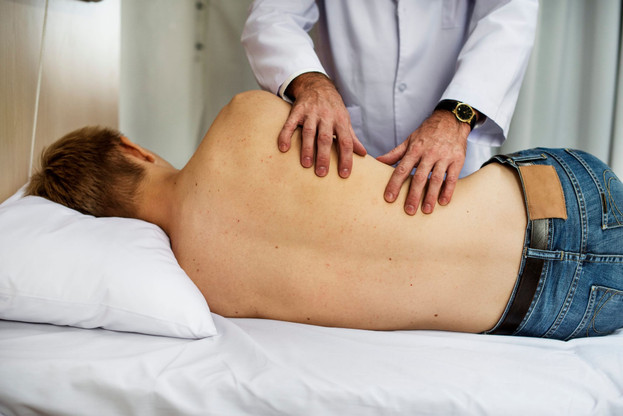
What Does Physio Do for Back Pain During an Initial Assessment?
The first appointment usually involves understanding your symptoms before deciding what to do about them.
A physiotherapist may ask when the pain started, whether it followed a particular movement, what makes it worse and whether it travels into your buttock or leg. You may also discuss your work duties, exercise routine, sleep and previous episodes of back pain.
The physical assessment can include:
-
Movement: How comfortably you bend, twist, squat, walk and change positions.
-
Strength and control: How your trunk, hips and legs perform during relevant movements.
-
Physical capacity: Which everyday or training tasks you can manage comfortably.
-
Nerve-related symptoms: Whether changes in sensation, strength or reflexes suggest that further assessment is needed.
Understanding these factors helps the physio develop a plan based on your presentation rather than automatically prescribing the same exercises to everyone.
For people seeking physio for lower back pain in Springwood, this assessment can also help clarify whether the next step is physiotherapy, further medical investigation or a combination of care.
How Can Physiotherapy Reduce Back Pain?
Physiotherapy aims to help you manage symptoms and improve your ability to move and function. It does not rely on one treatment method, and there is no single technique that works for every type of back pain.
Depending on your assessment, treatment may include:
-
Education: Understanding your symptoms, recovery expectations and how to manage flare-ups.
-
Activity modification: Adjusting work, exercise or daily tasks without unnecessarily avoiding movement.
-
Progressive exercise: Building strength, coordination and tolerance for activities that currently cause difficulty.
-
Manual therapy: Using appropriate hands-on techniques to help with symptoms or movement when indicated.
-
Load management: Finding a manageable level of physical activity and increasing it as your capacity improves.
So, what does physio do for back pain beyond providing short-term relief? A key part of treatment is helping you develop the confidence and physical capacity to manage everyday demands, including when symptoms fluctuate.
Do You Need to Stop Exercising When Your Back Hurts?
Not always. Many people can continue some form of physical activity while recovering from back pain. The important part is working out which movements and training loads are appropriate for your current symptoms.
For example, someone experiencing discomfort during deadlifts may temporarily reduce the weight, change the range of motion or use a different exercise. A person who spends most of the day sitting may benefit from regular movement breaks and a gradual increase in walking or other comfortable activities.
The aim is to avoid both extremes: pushing through significant or worsening symptoms and stopping every activity out of fear.
A back pain physio can help you decide how to modify your routine and progress towards your usual activities. If exercise produces new symptoms, significant pain or increasing weakness, stop and seek appropriate advice.
Which Physio Exercises for Lower Back Pain May Be Recommended?
There is no universal exercise program for lower back pain. Your physiotherapist should choose exercises according to your symptoms, movement tolerance, current strength and functional goals.
Depending on your presentation, examples may include:
-
Walking: Maintaining general activity and gradually improving exercise tolerance.
-
Bridges: Practising hip extension and strengthening the gluteal muscles.
-
Bird dogs: Working on trunk control and coordination.
-
Modified squats: Building tolerance for movements used in everyday lifting.
-
Hip-hinge practice: Rehearsing a movement pattern used when picking objects up from the floor.
These are examples, not a prescription for everyone. Some exercises may be unsuitable during particular stages of recovery, and the starting level matters.
Effective physio exercises for lower back pain should progress as your capacity improves. Your physiotherapist may adjust repetitions, resistance, range of motion or frequency rather than simply adding more work each session.
When Should You See a Physio for Back Pain?
Consider an assessment if your back pain keeps returning, affects your normal routine or makes you uncertain about how to move safely.
Common reasons to seek advice include:
-
Pain during bending, lifting, prolonged sitting or standing.
-
Stiffness that makes getting moving after rest difficult.
-
Symptoms that return when you resume running, gym training or physical work.
-
Reduced confidence when lifting or performing familiar tasks.
-
Pain that persists, worsens or interferes with sleep and daily activities.
Knowing when to see a physio also means recognising when you need medical care first. Seek urgent medical attention for back pain accompanied by new bladder or bowel control problems, difficulty passing urine, numbness around the groin or saddle area, or rapidly worsening leg weakness. Significant trauma, fever or unexplained weight loss also warrants prompt medical assessment.
If you are unsure whether physiotherapy is appropriate, a healthcare professional can help determine the most suitable next step.
How Do Musculoskeletal Physiotherapy and Sports Physiotherapy Help?
Back pain can affect people with very different lifestyles, so rehabilitation should reflect the activities they need to return to.
Musculoskeletal physiotherapy focuses on problems involving muscles, joints, movement and physical function. For back pain, treatment may involve improving movement tolerance, rebuilding strength and developing strategies for managing recurring symptoms.
Sports physiotherapy may be relevant when symptoms affect running, gym sessions, weightlifting or competitive sport. Rehabilitation can focus on modifying training, rebuilding capacity and gradually returning to sport-specific demands.
For example, a tradesperson may need to tolerate repeated lifting and carrying, while a gym-goer may want to return to squats and deadlifts. Someone who works at a desk may need a plan for managing prolonged sitting and increasing regular movement.
When considering physiotherapy in Springwood, look for an approach that takes your daily demands and goals into account, explains the purpose of treatment and reviews your progress over time.
What Should You Expect From a Back Pain Physio Treatment Plan?
A treatment plan should give you a clear idea of what you are working towards and how progress will be assessed.
Early treatment may focus on understanding your symptoms, finding manageable movements and reducing the impact of pain on daily activities. Later stages may involve increasing resistance, improving endurance or practising tasks that resemble your work or sport.
Progress is not always linear. Some days may feel easier than others, and a temporary flare-up does not automatically mean you have caused further damage. However, persistent or changing symptoms may require reassessment.
If you are looking for a physio in Springwood, ask how the treatment plan will be adjusted as your symptoms and physical capacity change. A useful plan should help you understand what to do between appointments, not leave you dependent on treatment sessions alone.
Ultimately, what does physio do for back pain? It helps connect symptom management with practical rehabilitation, so you can work towards the activities that matter to you.
Frequently Asked Questions About Physiotherapy for Back Pain
Can a physio help with lower back pain that keeps returning?
Yes. A physiotherapist can assess possible contributing factors, review your activity levels and help you develop strategies for managing recurring symptoms. Persistent or changing pain may also require medical assessment.
How long does physiotherapy for back pain take?
Recovery time varies according to the nature of the problem, symptom severity, general health and the physical demands of your routine. Your physiotherapist can review progress and adjust your plan as needed.
Should I get a scan before seeing a physio?
Not necessarily. Many episodes of back pain can be assessed initially through a clinical history and physical examination. Imaging is considered when clinically indicated, such as when specific symptoms suggest a more serious problem or when the results are likely to change management.
Can physiotherapy help me return to weightlifting?
It can help you work towards returning to lifting by assessing your symptoms, adjusting training demands and progressively rebuilding strength and movement tolerance. The timing and exercises should reflect your individual presentation.
Is rest the best treatment for back pain?
Prolonged bed rest is generally not recommended for uncomplicated back pain. Maintaining comfortable movement and gradually returning to normal activities is often helpful, although some temporary modifications may be needed.
What Is the Next Step if Back Pain Is Affecting Your Routine?
Back pain does not always mean you need to stop working, exercising or participating in sport. Understanding your symptoms, choosing appropriate activities and progressing exercise at a manageable pace can help you work towards recovery.
If pain continues to limit your daily activities, an assessment can help clarify what may be contributing to your symptoms and which treatment options are appropriate. The goal is to build a practical plan that supports your movement, strength and return to the activities you value.