
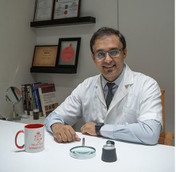
Psoriasis is a chronic inflammatory skin condition that can cause red, scaly, itchy, or thickened patches on different areas of the body. Although psoriasis is not contagious, recurring flare-ups can affect comfort, confidence, and quality of life. Effective management requires an individualized approach based on the type and severity of psoriasis, affected areas, symptoms, medical history, and previous treatments. Psoriasis treatment in Mumbai at Viva Aesthetic Clinic focuses on professional dermatological assessment and personalized treatment planning under the guidance of Dr. Deepam Shah.
Dr. Deepam Shah is a qualified dermatologist and Skin Specialist in Mumbai who provides care for a range of medical and aesthetic skin concerns. His approach emphasizes accurate diagnosis, appropriate treatment selection, and ongoing skin care to help patients manage chronic skin conditions effectively.
What Is Psoriasis?
Psoriasis is a chronic immune-mediated skin disorder in which skin cells develop and accumulate more rapidly than usual. This can result in raised, inflamed patches covered with whitish or silvery scales. Psoriasis can occur on the elbows, knees, scalp, lower back, hands, feet, and other areas, although its appearance and distribution can vary from person to person.
Common symptoms may include itching, dryness, scaling, redness, irritation, and discomfort. In some individuals, psoriasis may also affect the nails or joints. Because several other skin conditions can resemble psoriasis, professional evaluation is important before beginning treatment.
Psoriasis may follow a pattern of flare-ups and periods when symptoms become less noticeable. Triggers can vary and may include stress, skin injuries, infections, certain medications, smoking, alcohol consumption, or environmental factors.
Common Types of Psoriasis
There are several clinical forms of psoriasis, and identifying the type can help a dermatologist determine the most appropriate management strategy.
Plaque psoriasis: This is the most common form and typically causes raised, dry, scaly patches on the skin.
Guttate psoriasis: This form can appear as numerous small, drop-shaped spots, sometimes following an infection.
Inverse psoriasis: It commonly affects skin folds and may appear as smooth, red patches.
Scalp psoriasis: This affects the scalp and may cause scaling, itching, and visible plaques.
Nail psoriasis: It can cause changes such as pitting, discoloration, thickening, or separation of the nail from the nail bed.
The symptoms and severity can differ significantly between patients, making individualized dermatological evaluation important.
Who May Need Psoriasis Treatment in Mumbai?
People experiencing persistent or recurring patches of redness, scaling, itching, or thickened skin should consider consulting a dermatologist for proper evaluation. Psoriasis treatment in Mumbai may be recommended when symptoms interfere with daily activities, sleep, comfort, appearance, or overall quality of life.
A dermatologist may assess:
- The location and extent of affected skin
- The appearance and thickness of lesions
- The frequency and severity of flare-ups
- Scalp and nail involvement
- Possible triggers
- Previous treatment history
- Associated symptoms, including joint discomfort
Early professional assessment can help distinguish psoriasis from eczema, fungal infections, allergic reactions, seborrheic dermatitis, and other conditions with similar symptoms.
Treatment Options for Psoriasis
Treatment depends on the severity, type, location, and individual characteristics of the condition. There is no single treatment suitable for every patient.
For mild or localized psoriasis, dermatologists may recommend topical medications. These may include corticosteroids, vitamin D analogues, retinoids, or other prescription treatments depending on the patient’s condition.
Moisturizers and emollients may also help reduce dryness and scaling and support the skin barrier. Medicated shampoos or topical treatments may be recommended when the scalp is affected.
For moderate to severe psoriasis, additional treatment options may be considered. Depending on the clinical assessment, these can include phototherapy, systemic medications, or biologic therapies. The choice depends on factors such as disease severity, previous treatment response, associated conditions, and individual suitability.
Patients should not self-medicate with steroid creams or other prescription medicines because inappropriate or prolonged use can cause unwanted effects.
Why Choose Dr. Deepam Shah?
Dr. Deepam Shah is an experienced Dermatologist in Mumbai providing personalized dermatological and aesthetic care at Viva Aesthetic Clinic. His professional focus includes the evaluation and management of various skin, hair, and cosmetic concerns.
As a Skin Specialist in Mumbai, Dr. Deepam Shah emphasizes individualized treatment rather than using a one-size-fits-all approach. His clinical practice includes procedures and treatments addressing conditions such as pigmentation, acne, hair loss, skin ageing, scars, and other dermatological concerns.
At Viva Aesthetic Clinic, patients can discuss their symptoms and skin concerns in a professional clinical environment. A detailed consultation allows the doctor to understand the patient’s condition, assess the skin, and determine an appropriate treatment strategy.
The clinic combines dermatological expertise with aesthetic treatment options, allowing patients to receive personalized guidance based on their specific skin requirements.
What to Expect During a Psoriasis Consultation?
The first step is a detailed dermatological consultation. Dr. Deepam Shah examines the affected areas and discusses symptoms, duration, previous flare-ups, possible triggers, and any treatments already attempted.
In many cases, psoriasis can be diagnosed through clinical examination. If the diagnosis is uncertain, additional evaluation may occasionally be required to rule out other skin conditions.
Once the condition has been assessed, the doctor can explain suitable treatment options and provide guidance regarding skincare, medication use, lifestyle factors, and prevention of avoidable triggers.
Treatment may need to be adjusted over time because psoriasis can change in severity. Regular follow-ups can help monitor the response and modify the management plan when required.
Managing Psoriasis Beyond Treatment
Long-term psoriasis management involves more than medication. Patients can support their skin by maintaining regular moisturization, avoiding unnecessary scratching, protecting the skin from injury, and following the treatment plan recommended by their dermatologist.
Stress management can also be helpful because psychological stress may contribute to flare-ups in some individuals. Maintaining a healthy lifestyle and identifying personal triggers may further support long-term disease management.
It is important to understand that psoriasis is a chronic condition. Treatment generally focuses on controlling symptoms, reducing flare-ups, improving skin health, and maintaining long-term remission rather than promising a permanent cure.
When Should You See a Dermatologist?
Persistent scaling, itching, redness, or thickened skin should not always be assumed to be simple dryness. If symptoms repeatedly return or do not improve with basic skincare, professional evaluation is advisable.
You should also consult a dermatologist if psoriasis-like symptoms affect the scalp, nails, hands, feet, or sensitive areas, or if you experience unexplained joint pain or stiffness.
Seeking Psoriasis treatment in Mumbai from a qualified dermatologist can help ensure that the condition is correctly assessed and managed according to its severity and individual characteristics.
Book a Consultation with Dr. Deepam Shah
If you are experiencing recurring skin patches, scaling, itching, or other symptoms associated with psoriasis, consult Dr. Deepam Shah at Viva Aesthetic Clinic. Personalized Psoriasis treatment in Mumbai can help you understand your condition, explore suitable treatment options, and develop a practical long-term management plan.
Viva Aesthetic Clinic
+91 93245 89084 | 022 3573 1556
clinicvivacosmetic@gmail.com
Get Directions to the Clinic: Viva Aesthetic Clinic, Mumbai
Frequently Asked Questions
1. Can psoriasis be completely cured?
Psoriasis is generally considered a chronic condition, and there is currently no guaranteed permanent cure. However, appropriate treatment can help control symptoms, reduce flare-ups, and maintain periods of clearer skin.
2. What causes psoriasis?
Psoriasis is associated with an abnormal immune response that causes skin cells to develop too quickly. Genetic and environmental factors can contribute, while triggers such as stress, infections, skin injuries, and certain medications may worsen symptoms in some individuals.
3. Can psoriasis affect the scalp and nails?
Yes. Psoriasis can affect the scalp and may cause scaling, itching, and plaques. Nail psoriasis can cause pitting, discoloration, thickening, or changes in nail attachment. A dermatologist can recommend appropriate treatment based on the affected area.
4. Should I consult a dermatologist for recurring psoriasis symptoms?
Yes. Recurring redness, scaling, itching, or thickened skin should be evaluated by a dermatologist, particularly when symptoms persist or interfere with daily life. Professional assessment can help confirm the diagnosis and determine an appropriate treatment plan.