
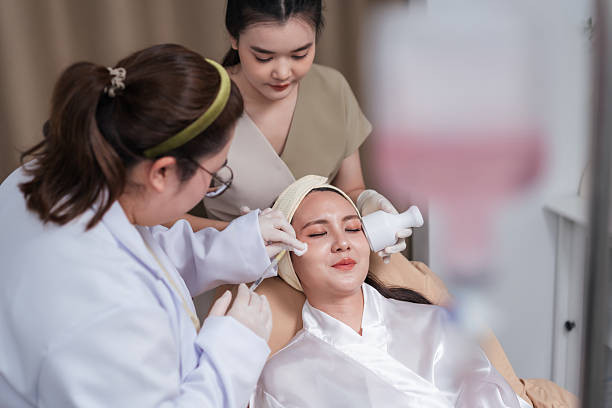
So you’ve finished a HIFU training course in Sydney. At this point, your mind will create a checklist that looks something like this:
Certificate? Check!
Confidence? Kind of.
Questions? Definitely.
This is the stage where most practitioners get excited and accidentally trip themselves up. And it’s not because they’re bad at what they do, but because HIFU looks simpler than it actually is. It’s powerful tech, and when used right, it delivers serious results.
When rushed or misunderstood? Not so much.
Let’s talk about the most common post-training mistakes people make, and how to dodge them without stress.
1. Jumping Straight Into Client Work Too Fast
This one’s super common.
You finish training. You understand the machine. You know the theory. So you book clients immediately. Makes sense, right?
Not always.
Real skin is unpredictable. Clients will have different thickness, different sensitivity, and different reactions to energy. What worked perfectly in training doesn’t always translate one-to-one in real sessions.
Rushing in can lead to:
-
Incorrect depth selection
-
Overlapping passes
-
Clients feeling more discomfort than expected
-
You feeling stressed mid-treatment
So slow it down. Practice more and observe experienced practitioners if possible. Confidence grows way faster when it’s built on repetition, not pressure.
2. Treating HIFU Like a “Quick Fix” Treatment
HIFU is not Botox. It’s not a facial. And it definitely isn’t instant.
One of the biggest mistakes new practitioners make is overselling speed. Yes, HIFU lifts and tightens. But the magic happens over weeks as collagen rebuilds. It’s not an overnight miracle.
When clients expect immediate results, disappointment follows, even if the treatment worked perfectly.
Instead:
-
Explain timelines clearly
-
Emphasise gradual improvement
-
Normalise the waiting period
When expectations are realistic, satisfaction skyrockets.
3. Not Customising Settings for Each Client
HIFU is not a copy-paste treatment.
Every face is different. Age, fat layers, skin laxity, sensitivity — all of it matters. Using the same settings for everyone is one of the fastest ways to get uneven results.
Common mistakes here include:
-
Using depths meant for the jawline on delicate areas
-
Applying high energy too quickly
-
Not adjusting based on discomfort feedback
Your training gave you the framework. Your job now is interpretation. Read the skin, listen to the client and adjust accordingly.
4. Being Vague About Aftercare
This one seems small, but it’s actually huge. Some practitioners casually say, “Just avoid heat and drink water,” and move on. That’s not enough.
Clients need clarity. They need clear do’s and don’ts and clear timelines.
Things clients should know:
-
Mild tenderness or tingling is normal
-
Heat, intense workouts, and saunas should wait
-
Active skincare needs a pause
-
SPF is non-negotiable
When aftercare is explained properly, results improve and complaints drop.
5. Re-Treating Too Soon
More isn’t better with HIFU. Collagen stimulation takes time. So, booking repeat sessions too early can irritate tissue and reduce long-term results. It can also make clients feel sore, frustrated, or confused.
If someone asks, “Can we do another session next month?” then the honest answer is usually no.
Spacing treatments correctly protects:
-
The client’s skin
-
Your reputation
-
The quality of results
Patience here pays off.
6. Skipping Documentation and Progress Tracking
Clients usually forget what their skin looked like before. You might see the lift. They might not. That’s where documentation matters.
Not taking proper before-and-after photos is a missed opportunity.
Good photos:
-
Build trust
-
Prove results
-
Support re-booking
-
Strengthen your portfolio
Keep the same lighting, same angles, and same expressions. It makes all the difference.
7. Underestimating Client Comfort
If we’re being honest, HIFU feels weird. It’s not painful for most people, but definitely unexpected.
Clients should never feel surprised mid-treatment.
Check in regularly with them. Explain sensations before they happen. Let your clients know what’s normal. After all, comfort isn’t just about pain. It’s about reassurance.
When people feel informed, they relax. And relaxed clients have better experiences.
8. Thinking the Learning Stops After Certification
This is a quiet mistake.
As the years go by, technology evolves, devices update, and techniques improve. The practitioners who stand out are the ones who keep learning, even casually.
That could look like:
-
Attending refreshers
-
Watching technique demos
-
Staying updated on safety guidelines
-
Learning from advanced providers
Training gives you entry while experience and education give you longevity. Providers like Urban Skin Academy often emphasise that confidence grows with continued learning. So, never stop learning.
Final Thoughts,
Finishing a HIFU training course in Sydney is a strong move, but it’s just the starting line. Avoid rushing, respect the technology, communicate clearly, and treat learning as ongoing.
When you focus on precision, patience, and people, HIFU becomes more than a service. It becomes one of the most trusted tools in your treatment lineup. And that’s where real growth happens.