
How IMGs Can Thrive in the U.S. Residency Match Process with Focus, Strategy, and Support
For International Medical Graduates (IMGs), the dream of becoming a practicing physician in the United States comes with an incredible mix of hope and pressure. The opportunity to train in one of the world’s most advanced healthcare systems is undeniably exciting—but the path to get there is filled with unfamiliar requirements, cultural barriers, and intense competition.
And yet, year after year, thousands of IMGs successfully match into U.S. residency programs, becoming outstanding physicians, educators, and leaders in American medicine. So, what separates those who succeed from those who struggle? It often comes down to mindset, preparation, and the ability to turn uncertainty into a clear, strategic plan.
The first thing to understand is that your journey as an IMG is not a disadvantage—it’s a distinguishing strength. You bring with you a depth of clinical experience, a global perspective, and a resilience shaped by navigating multiple systems. But to succeed in the U.S., you must learn to frame that experience in a way that resonates with American residency directors.
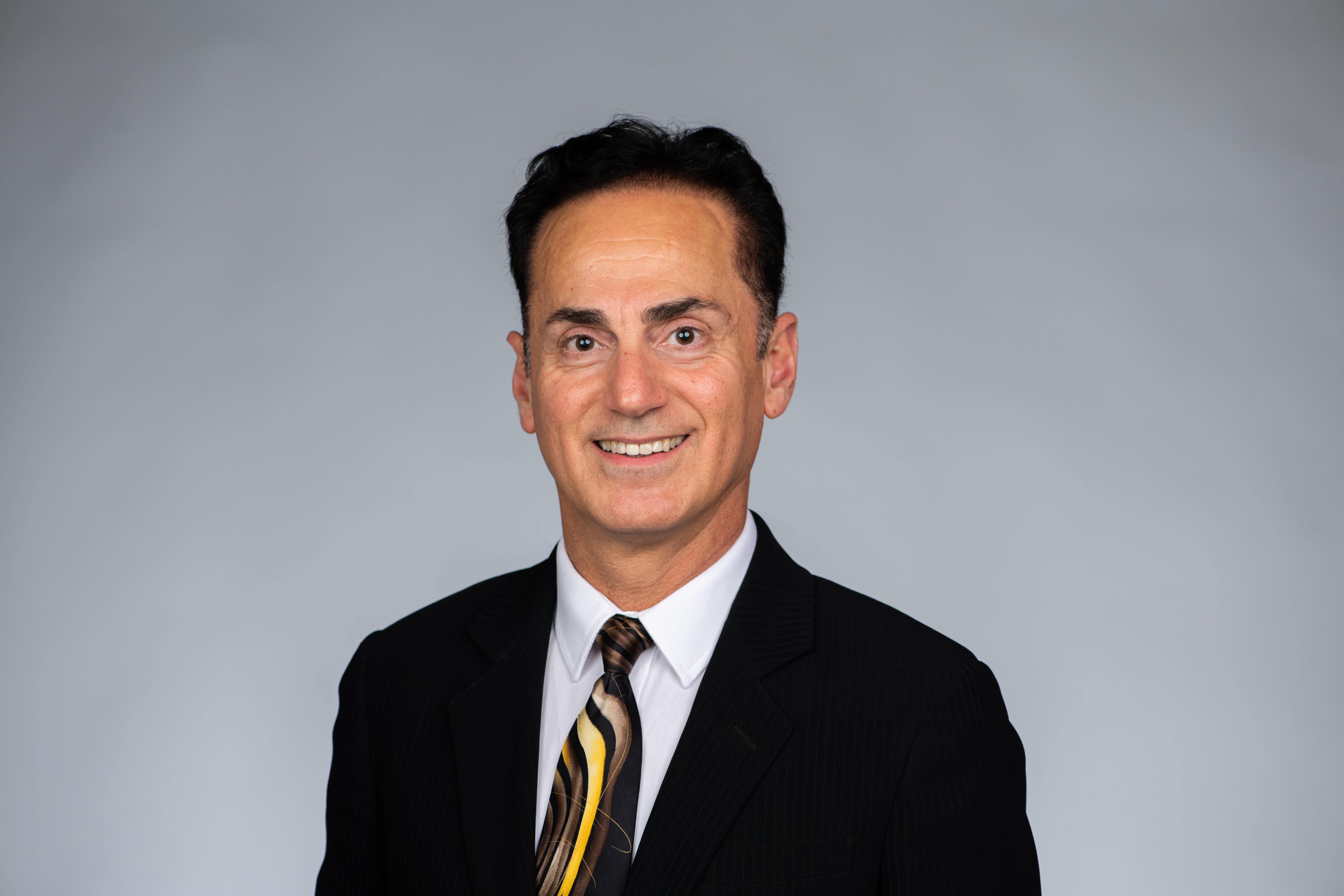
Dr. Shervin Mortazavi, a seasoned internist, educator, and mentor to IMGs based in Bronx, New York, has worked with hundreds of international candidates pursuing U.S. residency. He understands the unique challenges IMGs face because he once faced them himself. His message is clear: “Your story matters. But it’s not enough to have a story—you have to know how to tell it.”
That’s where intentional preparation comes into play. It’s not just about passing exams or submitting your application on time—it’s about crafting a consistent, compelling narrative across every part of your application. From your personal statement to your interview answers, everything should reflect your strengths, your adaptability, and your sincere passion for medicine.
Dr. Mortazavi advises all IMGs to begin their preparation early by identifying the key components of their professional identity. What type of doctor do you want to be? What kind of populations do you want to serve? What values guide your approach to patient care? These questions aren’t just philosophical—they help you connect with programs whose mission aligns with yours.
Once you understand your identity and goals, the next step is to gain meaningful U.S. clinical experience. Observerships, externships, and internships in American hospitals are not just résumé boosters—they’re immersion experiences. They allow you to understand the pace, structure, and expectations of U.S. medical practice. They also help you begin to adjust your communication style, learn local medical terminology, and observe how American physicians interact with patients.
These experiences often lead to letters of recommendation, which are vital for IMG applicants. But not all recommendation letters are created equal. Dr. Mortazavi emphasizes that a strong letter must speak not just to your knowledge, but to your character, teamwork, and growth. "Residency programs want someone who can integrate into their culture, who can learn and collaborate,” he says. “That has to come across in your evaluations and references.”
But even with excellent letters and strong clinical exposure, many IMGs face their biggest hurdle during the interview process. In many parts of the world, interviews are formal, structured, and rigid. In the U.S., however, residency interviews are often conversational and focused on “fit.” The program is evaluating not only your skills, but your personality, your communication, and your emotional intelligence.
This is why mock interviews, communication coaching, and storytelling practice are so important. IMGs need to develop answers to common questions like “Tell me about yourself,” “Why did you choose this specialty?” and “Why should we choose you?” But more than memorizing answers, you must learn to respond naturally—with warmth, clarity, and professionalism.
Dr. Mortazavi often runs practice sessions with IMG candidates to help them refine their delivery. He teaches candidates how to speak with confidence, how to make eye contact even when nervous, and how to handle challenging or unexpected questions with poise. He also emphasizes that tone and body language matter just as much as content.
He reminds candidates that many interviewers are looking to understand one thing above all: Are you someone they can trust to join their team, handle pressure, and grow into a responsible, compassionate physician?
To that end, he advises IMGs to never try to “hide” their weaknesses—instead, acknowledge them with self-awareness. If you’re asked about a challenge you’ve faced, don’t shy away. Share how you overcame it, what you learned, and how it’s made you a better doctor. That kind of honesty is often more impressive than perfection.
In addition, cultural sensitivity is critical. Some applicants come from regions where titles, status, and formalities dominate professional interactions. In the U.S., however, many programs value approachability, humility, and teamwork. Knowing how to introduce yourself, how to express gratitude, and how to build rapport can make all the difference in how you are remembered.
Beyond the interviews, Dr. Mortazavi encourages IMGs to maintain a professional online presence. LinkedIn, for example, can be used to network with alumni, connect with mentors, and share insights about your journey. You never know when a residency coordinator or program director might glance at your profile.
Once interviews are complete, many IMGs wonder whether follow-up messages are necessary. While not always mandatory, a thoughtful thank-you email that reflects on a specific part of the conversation can help keep you in the program’s mind. It’s another chance to demonstrate professionalism, attention to detail, and respect.
It’s also important to manage expectations. The match process can be unpredictable, and it’s not uncommon for even excellent candidates to go unmatched. That’s not a reflection of your worth—it’s a sign that the system is intensely competitive. If that happens, don’t let discouragement cloud your vision. Use the time to improve: apply for more U.S. experience, take a research role, get involved in volunteer work, or refine your personal statement. Many unmatched IMGs go on to match the following year even stronger.
What matters most is that you don’t give up. You’ve come too far, invested too much, and proven your resilience time and again. The U.S. medical system needs international doctors—your perspective, your experience, and your empathy are assets, not liabilities.
Dr. Mortazavi puts it best: “IMGs are not just guests in this system. They are contributors to its excellence. Once you realize that, everything changes.”