
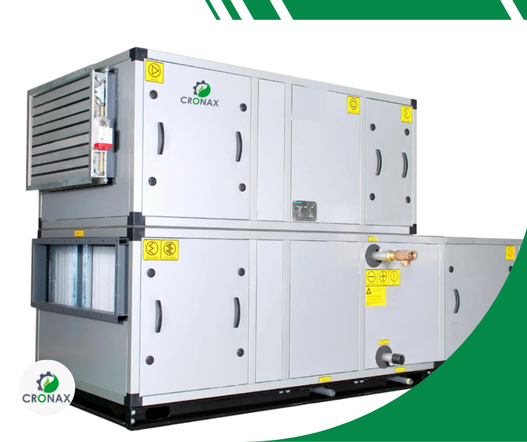
In modern buildings, maintaining clean air, proper temperature, and good ventilation is very important. Whether it is a hospital, shopping mall, factory, or office, indoor air quality plays a key role in comfort and health.
One of the main components responsible for this is the AHU room. It is an essential part of any HVAC (Heating, Ventilation, and Air Conditioning) system.
In this blog, we will explain what an AHU room is, how it works, and why it is important.
What Is an AHU Room?
An AHU (Air Handling Unit) room is a dedicated space where the air handling unit is installed. The air handling unit is a machine that processes and circulates air as part of the HVAC system.
The AHU room houses all the important components required to control air quality, temperature, and airflow within a building.
These rooms are usually located in basements, rooftops, or service areas, depending on the building design.
What Does an Air Handling Unit Do?
The main function of an air handling unit is to treat and circulate air. It performs several tasks, including:
- Filtering dust and particles from the air
- Controlling temperature (cooling or heating)
- Managing humidity levels
- Circulating fresh air throughout the building
The AHU ensures that clean and conditioned air is supplied to different areas through ducts.
Key Components Inside an AHU Room
An AHU room contains several important components that work together:
1. Filters
These remove dust, dirt, and other particles from the air.
2. Cooling and Heating Coils
These adjust the temperature of the air based on requirements.
3. Blowers or Fans
These help move air through the system and into different rooms.
4. Dampers
These control airflow and regulate fresh and return air.
5. Duct Connections
These distribute air to different parts of the building.
All these components work together to maintain indoor air quality.
Why Is an AHU Room Important?
1. Maintains Indoor Air Quality
The AHU filters out dust and pollutants, ensuring clean air inside the building. This is especially important in hospitals, offices, and industrial spaces.
2. Controls Temperature
The AHU helps maintain a comfortable indoor temperature by cooling or heating the air as needed.
3. Supports Ventilation
Proper ventilation is necessary to bring in fresh air and remove stale air. The AHU plays a key role in this process.
4. Essential for Cleanrooms
In industries like pharmaceuticals and electronics, AHU rooms are critical for maintaining cleanroom conditions. They help control air pressure, temperature, and contamination levels.
5. Improves Energy Efficiency
A properly designed AHU system helps optimize energy usage by controlling airflow and reducing unnecessary load on HVAC systems.
Applications of AHU Rooms
AHU rooms are used in a wide range of environments, including:
- Commercial buildings and offices
- Hospitals and healthcare facilities
- Shopping malls and hotels
- Industrial plants and factories
- Cleanrooms and laboratories
In all these places, AHU rooms help maintain a controlled and comfortable environment.
Importance of Proper AHU Room Design
The design of an AHU room is very important for system performance. A well-designed room ensures:
- Easy maintenance access
- Proper airflow management
- Reduced noise and vibration
- Efficient operation
In many facilities, additional solutions like air curtains or sealed doors are used near AHU areas to maintain air pressure and reduce contamination.
Conclusion
An AHU room is a vital part of any HVAC system. It houses the equipment that controls air quality, temperature, and ventilation inside a building.
By ensuring clean and properly conditioned air, the AHU room improves comfort, health, and efficiency in both residential and commercial spaces.
Understanding the importance of AHU rooms helps in designing better HVAC systems and maintaining high indoor air quality standards.