
WPC Tiles are revolutionizing the flooring industry by offering the perfect blend of natural wood aesthetics and modern plastic durability. These interlocking or modular tiles are ideal for both indoor and outdoor applications, providing a quick, DIY-friendly solution that outperforms traditional materials in longevity and maintenance. As we enter 2026, advancements in co-extrusion technology and realistic embossing have made WPC tiles more popular than ever for homes, balconies, patios, and commercial spaces.
What Exactly Are WPC Tiles?
WPC tiles are composed of a mixture of wood fibers (typically 50-60% recycled wood flour) and thermoplastic polymers (like PE or PVC), combined with binders and additives. They are often formed into square interlocking tiles (commonly 30x30cm or 12x12 inches) with a plastic base for drainage and stability. This design allows for easy installation over existing surfaces without adhesives.
These close-up views showcase the deep-embossed wood grain textures that make WPC tiles visually indistinguishable from real hardwood while offering superior engineered performance.
Top Advantages of Choosing WPC Tiles
-
Effortless DIY Installation: Interlocking systems snap together quickly, often installable directly over concrete, grass, or old tiles. No professional tools required – perfect for weekend projects.
-
Exceptional Durability: Resistant to rot, insects, warping, and fading. Co-extruded versions feature a protective cap layer for enhanced scratch and stain resistance.
-
Waterproof and Slip-Resistant: Ideal for wet areas like bathrooms, kitchens, pool surrounds, or balconies. The open base allows water drainage, preventing pooling.
-
Low Maintenance Lifestyle: Simply sweep or hose down; no sanding, sealing, or painting needed. Retains beauty for 20-30 years.
-
Eco-Conscious Choice: Made from recycled materials, reducing waste and deforestation. Many brands offer fully recyclable options.
-
Versatile Design Options: Available in various wood tones, stone looks, and modern patterns to suit any style – from rustic to contemporary.
Potential Drawbacks to Keep in Mind
-
Initial cost higher than basic ceramic or vinyl tiles.
-
Slight thermal expansion in extreme climates (mitigated by proper spacing).
-
Premium capped tiles recommended for high-traffic areas to avoid surface wear.
-
Heavier than pure plastic, requiring stable sub-surfaces.
WPC Tiles vs. Other Flooring Options
-
Vs. Ceramic/Porcelain Tiles: WPC is warmer, softer, and easier to install/remove; ceramics are harder but colder.
-
Vs. Natural Wood Decking: No splinters or maintenance; wood feels more authentic but degrades faster.
-
Vs. Pure PVC Tiles: WPC offers better rigidity and natural feel; PVC is lighter but can feel artificial.
-
Vs. SPC (Stone Plastic Composite): WPC is more flexible and wood-like; SPC is ultra-stable for indoors.
In 2026, trends lean toward hyper-realistic 3D embossing and multi-width designs for added visual depth.
Real-World Applications and Installation Tips
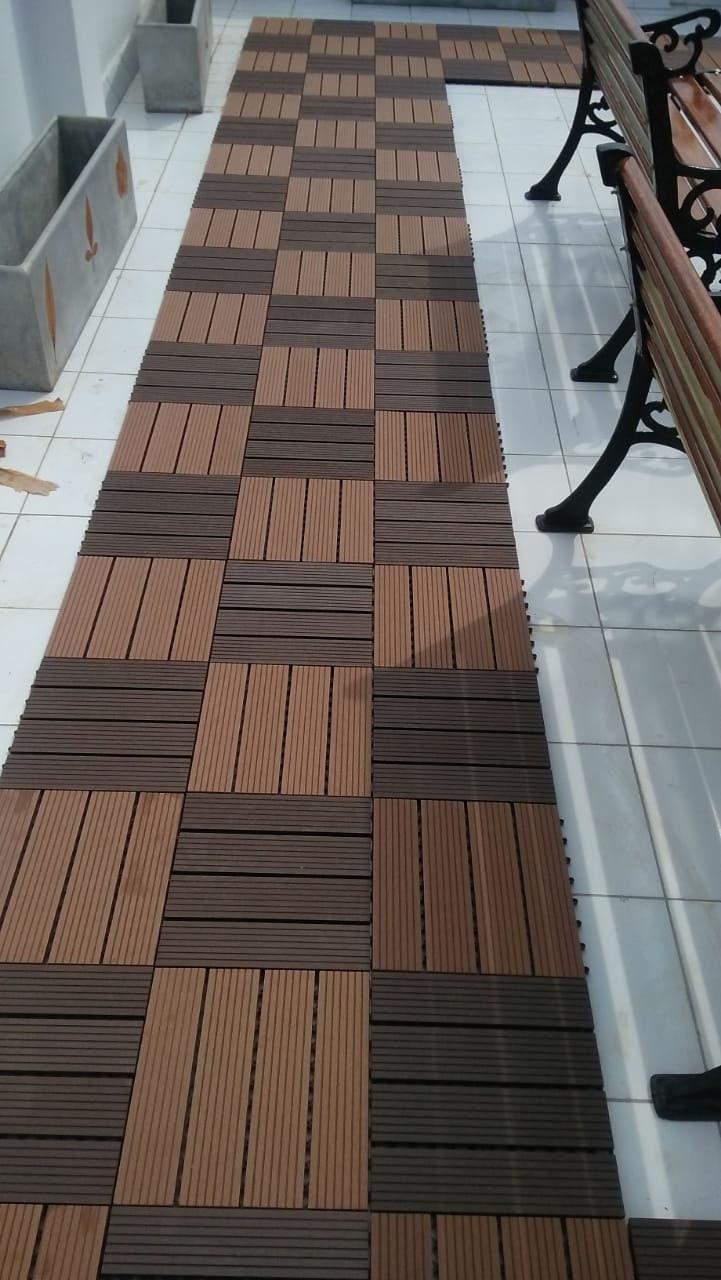
WPC tiles excel in balconies, terraces, rooftops, indoor flooring transitions, and temporary event spaces. For installation: Ensure a flat base, leave expansion gaps, and use hidden clips for seamless finishes.
These installations demonstrate how WPC tiles create elegant indoor-outdoor flows and quick balcony makeovers.
With growing demand (expected 12% CAGR through 2030), WPC Tiles are a smart, sustainable upgrade for any space seeking beauty without the hassle.