
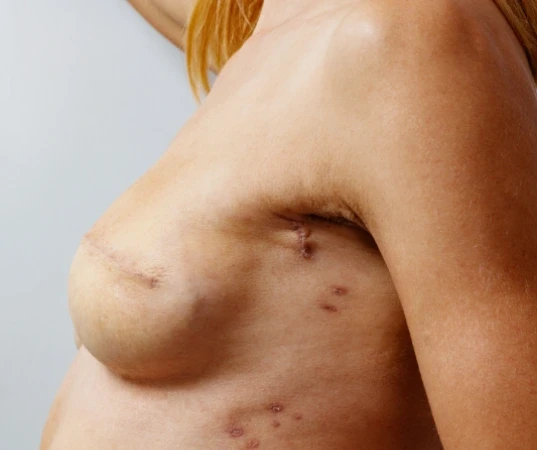
Breast cancer treatment can bring major physical and emotional changes, particularly for women who undergo a mastectomy or breast-conserving surgery. Breast reconstruction may help restore breast shape, improve body symmetry, and support confidence after treatment. If you are considering breast reconstruction post cancer in mumbai, Dr. Devayani Barve at Jewel Aesthetic Centre can help you understand the available reconstructive options and plan care in coordination with your cancer treatment team.
Breast reconstruction is a personal choice. Some women choose reconstruction after mastectomy, while others prefer to use an external prosthesis or not undergo further surgery. There is no single right decision. The most appropriate option depends on your health, cancer treatment plan, anatomy, preferences, and readiness for reconstruction.
What Is Breast Reconstruction After Breast Cancer?
Breast reconstruction is surgery to recreate the shape of the breast after a mastectomy or, in selected cases, to correct changes following breast-conserving surgery. It may involve implants, tissue taken from another area of the body, or a combination of techniques.
Reconstruction can aim to improve breast shape and symmetry, help clothing fit more comfortably, and support a person’s sense of body confidence. However, it cannot recreate the original breast in every respect. Sensation may be reduced or absent in the reconstructed breast, and additional procedures may be needed to refine the shape or reconstruct the nipple and areola.
The decision to undergo reconstruction should be made after a clear discussion of benefits, limitations, risks, recovery, and the possible effect of cancer treatments such as chemotherapy and radiotherapy.
Types of Breast Reconstruction
1. Implant-Based Reconstruction
Implant-based reconstruction uses a silicone implant to recreate the breast mound. In some cases, a tissue expander is placed first to gradually prepare the skin and tissues for a permanent implant.
This approach may involve less extensive surgery than some tissue-flap procedures, although the overall treatment plan varies. Implants can require future monitoring or replacement and carry risks such as infection, capsular contracture, implant rupture, and changes in appearance over time.
2. Autologous or Flap Reconstruction
Autologous reconstruction uses the patient’s own tissue, usually skin and fat, and sometimes muscle, from another part of the body. Tissue may be taken from areas such as the abdomen, back, or thighs.
Common techniques include the DIEP flap, TRAM flap, and latissimus dorsi flap. The appropriate technique depends on the patient’s anatomy, medical history, previous treatments, and surgical goals.
Flap reconstruction can provide a natural-feeling breast mound, but it usually involves a longer and more complex operation, with recovery at both the breast and donor sites. Not every patient is suitable for every flap technique.
3. Combined or Hybrid Reconstruction
Some patients may benefit from a combination of their own tissue and an implant. This approach can provide additional volume or support in selected cases. The surgeon will explain whether a combined technique is appropriate based on individual needs.
Immediate vs. Delayed Breast Reconstruction
Breast reconstruction may be performed at different stages of cancer treatment.
Immediate reconstruction takes place during the same operation as the mastectomy. For suitable patients, it can begin the reconstructive process without a separate later operation. However, it requires careful planning with the breast cancer surgeon and oncology team.
Delayed reconstruction takes place after the initial cancer surgery and may be planned after chemotherapy, radiotherapy, or other treatments. This can be appropriate when the cancer treatment plan, healing, or the patient’s preferences make waiting advisable.
Radiotherapy can affect the skin and underlying tissues, influencing healing and the choice and timing of reconstruction. It does not automatically rule out reconstruction, but the risks and options need individual assessment. Cancer treatment and follow-up remain the priority.
Why Choose Dr. Devayani Barve for Reconstructive Surgery?
Dr. Devayani Barve is a plastic, aesthetic, and reconstructive surgeon practising at Jewel Aesthetic Centre in Juhu, Mumbai. Her qualifications include MBBS and MS in General Surgery from KEM Hospital, Mumbai, followed by an M.Ch in Plastic Surgery from PGIMER, Chandigarh.
She has completed fellowship training in aesthetic and breast surgery in Miami, USA, and was an International Aesthetic Fellow of the American Society for Aesthetic Plastic Surgery (ASAPS). She was also a VEST programme scholar at the University of Miami and served as an Assistant Professor in Plastic Surgery at Christian Medical College, Vellore.
With more than 18 years of experience, Dr. Barve’s work spans reconstructive and aesthetic surgery, including breast procedures. Her academic background includes published research and participation in professional plastic surgery associations.
Patients looking for a Celebrity Plastic Surgeon in Mumbai should focus on qualifications, relevant reconstructive experience, transparent discussions about risks, and an individualised treatment plan. Reconstructive surgery after cancer requires careful coordination with the treating oncology team, not simply an aesthetic assessment.
Dr. Barve consults at Jewel Aesthetic Centre, a specialist clinic where patients can discuss their concerns, understand potential procedures, and plan next steps. The actual surgery and postoperative care arrangements depend on the procedure and hospital setting selected.
What to Expect During Your Consultation
A consultation usually includes a review of your cancer diagnosis, previous or planned surgery, chemotherapy or radiotherapy, current health, and personal goals. The surgeon may examine the chest wall, remaining breast tissue, skin quality, and possible donor areas if flap reconstruction is being considered.
You can discuss whether immediate or delayed reconstruction is suitable, what results are realistic, and whether further procedures may be needed. Ask about scars, sensation, recovery time, implant maintenance if relevant, and the impact of reconstruction on follow-up imaging or cancer surveillance.
The choice should be made jointly with the breast cancer surgeon and oncology team so that reconstruction is coordinated with appropriate cancer care.
Recovery and Follow-Up After Reconstruction
Recovery varies considerably depending on the reconstructive technique. Implant-based procedures and tissue-flap operations have different recovery requirements, and some patients need a staged process.
Your surgical team will provide instructions on wound care, pain management, activity restrictions, and follow-up visits. You may need assistance with daily activities during the initial recovery period. Return to work, driving, exercise, and lifting should be guided by your surgeon rather than a fixed timeline.
Contact your care team promptly if you develop fever, increasing redness, worsening pain, wound discharge, sudden swelling, or other concerning symptoms. Keep attending your recommended cancer follow-up appointments, whether or not you choose reconstruction.
Schedule Your Consultation Today
Choosing reconstruction after breast cancer is a deeply personal decision. A specialist consultation can help you understand the available techniques, likely recovery, and the balance of benefits and risks in your particular situation.
Consult Dr. Devayani Barve at Jewel Aesthetic Centre to discuss reconstructive options and develop a plan in coordination with your cancer treatment team.
📞91673 34189 | 91360 41545 | 90823 98791
📍 Visit: Jewel Aesthetic Centre, Juhu, Mumbai
If you are researching breast reconstruction post cancer in mumbai, remember that reconstruction is optional, and the right choice is the one that fits your medical needs and personal preferences.
Frequently Asked Questions
1. Is breast reconstruction necessary after a mastectomy?
No. Reconstruction is optional. Some women choose reconstructive surgery, while others prefer an external prosthesis or no reconstruction. Your decision should reflect your preferences, health, and cancer treatment plan.
2. Can breast reconstruction be performed after radiotherapy?
Yes, reconstruction may still be possible after radiotherapy. Radiation can affect skin quality, tissue healing, and complication risks, so the surgeon and oncology team will help determine the appropriate technique and timing.
3. How long does recovery from breast reconstruction take?
Recovery depends on whether reconstruction uses an implant, your own tissue, or a combined technique. More complex flap procedures generally require a longer recovery. Your surgeon will provide a personalised timeline and follow-up plan.
4. How can I book a consultation with Dr. Devayani Barve?
Call 91673 34189, 91360 41545, or 90823 98791, or email doctorbarve@gmail.com. Consultations at Jewel Aesthetic Centre in Juhu, Mumbai, are available Monday to Saturday by prior appointment.