
Thinking about how to get a loan for a boat? Well, it’s a bit like navigating open waters—you’ll need a good map, a steady hand, and maybe a little help from an experienced crew. The good news? I’m here to be your guide. You see, getting a loan for a boat is about more than just signing paperwork; it’s about understanding the whole process, from interest rates to down payments, and choosing the right lender. Ready to find out how to chart your course to boat ownership? Let’s dive right in and make those boating dreams a reality!
Understanding the Basics of Boat Loans
Before diving into the details, it’s important to understand what a boat loan is and how it works. Essentially, a boat loan is a type of personal loan that’s used specifically to finance the purchase of a boat. Whether you’re looking for a fishing boat, a sailboat, or even a luxurious yacht, you’ll likely need some financial help to make your dreams come true.
Boat loans typically come in two forms: secured and unsecured. A secured boat loan uses the boat itself as collateral, which means that if you don’t make your payments, the lender can repossess the boat. This kind of loan usually has lower interest rates. An unsecured loan, on the other hand, doesn’t require collateral but may come with higher interest rates due to the increased risk to the lender.
Interest rates, loan terms, and down payments can vary widely depending on the lender and your personal financial situation. It’s crucial to know the details of what you’re getting into before signing anything, and that’s why understanding the basics of boat loans is the first step toward successful boat ownership.
Types of Lenders Offering Boat Loans
There are several types of lenders who offer boat loans, each with its own benefits and drawbacks. Banks are one of the most common places to get a boat loan. They typically offer competitive rates, but their application process can be more rigorous, requiring a good credit score and thorough financial documentation.
Credit unions are another great option, especially if you’re already a member. They often provide lower rates and more personalized service compared to larger banks. However, credit unions may have more limited loan offerings depending on their size and focus.
Finally, you have specialized marine lenders, who focus solely on boat loans. These lenders understand the ins and outs of boat financing better than anyone else, and they can often provide flexible loan terms and competitive rates. However, their focus on boat loans might mean slightly higher interest rates compared to traditional banks.
How to Determine How Much You Can Afford
Before applying for a boat loan, it’s important to determine how much you can afford. This involves more than just looking at the price of the boat. You’ll also need to consider other expenses like maintenance, insurance, docking fees, and fuel costs. These ongoing costs can add up quickly, so it’s important to be realistic about what you can handle financially.
Start by setting a budget for the boat itself, and then add an estimated amount for these additional expenses. A general rule of thumb is that you should spend no more than 15-20% of your monthly income on boat-related expenses, including loan payments. This helps ensure that your boat remains a source of joy rather than a financial burden.
Once you have a rough budget, use an online boat loan calculator to get an idea of what your monthly payments will be based on different loan amounts, interest rates, and loan terms. This can help you get a clearer picture of what’s realistic for you.
How to Improve Your Chances of Loan Approval
If you want to improve your chances of getting approved for a boat loan, there are several steps you can take. First and foremost, work on your credit score. Lenders use your credit score to determine how much of a risk you pose as a borrower, so the higher your score, the better your chances of approval.
Another tip is to reduce your debt-to-income ratio. Lenders want to see that you have enough disposable income to cover your loan payments in addition to your existing financial obligations. Paying down some of your existing debts can help you present a stronger loan application.
Lastly, consider saving up for a larger down payment. The more you can put down upfront, the less risk you present to the lender. A larger down payment can also help you secure a lower interest rate, which will save you money over the life of the loan.
The Role of Down Payments in Boat Loans
The down payment plays a crucial role in securing a boat loan. Most lenders require a down payment of at least 10-20% of the boat’s purchase price. The larger the down payment, the less you’ll need to borrow, which means lower monthly payments and less interest paid over the life of the loan.
A larger down payment also shows the lender that you’re serious about the purchase and have some financial skin in the game. This can make them more willing to offer you favorable terms, such as a lower interest rate or a longer repayment period.
If you’re struggling to come up with a down payment, consider saving up for a few more months before applying for a loan. You could also look into financing options that allow you to use trade-ins or other assets as part of your down payment.
Interest Rates and How They Affect Your Loan
Interest rates are one of the most important factors to consider when getting a boat loan, as they directly affect your monthly payments and the total cost of the loan. The interest rate you’re offered will depend on a variety of factors, including your credit score, the loan term, and the type of boat you’re buying.
In general, secured loans tend to have lower interest rates because they’re less risky for the lender. However, if you have excellent credit, you may be able to qualify for a low-rate unsecured loan. The length of the loan term also plays a role—shorter terms usually have lower rates, while longer terms might come with higher rates.
To get the best interest rate possible, shop around with different lenders and consider getting pre-qualified. This will give you an idea of what rate you can expect based on your financial situation and help you make an informed decision.
How to Choose the Right Loan Term
Choosing the right loan term is a key part of getting a boat loan. The loan term is the length of time you’ll have to repay the loan, typically ranging from 2 to 20 years for boat loans. Shorter loan terms come with higher monthly payments but lower overall interest costs, while longer terms have lower payments but end up costing more in interest.
To decide on the right term, consider your budget and how much you can comfortably afford each month. If you can handle higher payments, a shorter term will save you money in the long run. On the other hand, if you need to keep your monthly payments low, a longer term might be the better option, even if it means paying more in interest.
Use a boat loan calculator to experiment with different terms and see how they affect your monthly payments and total loan cost. This can help you make an informed decision that fits your financial situation.
The Application Process for a Boat Loan
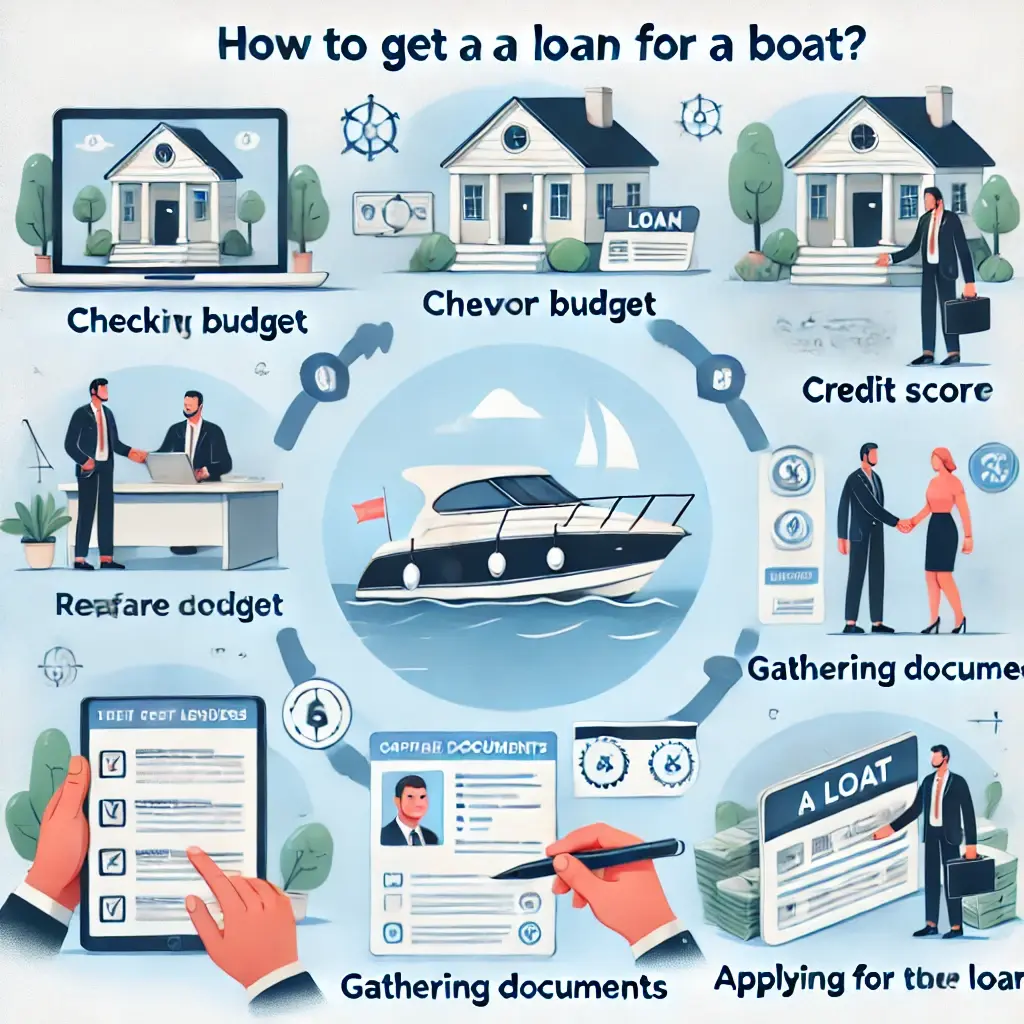
Applying for a boat loan is similar to applying for any other type of loan, but there are some key differences. To start, you’ll need to gather all the necessary documentation, including proof of income, tax returns, and information about the boat you’re planning to purchase. The lender will use this information to evaluate your ability to repay the loan.
Next, you’ll fill out an application either online or in person. The lender will review your credit history, income, and other factors to determine whether you qualify for the loan and what interest rate they can offer you. This process can take anywhere from a few hours to several days, depending on the lender.
Once you’re approved, you’ll receive a loan offer that outlines the terms and conditions. Be sure to read this document carefully before signing, as it will include important details like the interest rate, loan term, and any fees or penalties. If everything looks good, you’ll sign the agreement, and the funds will be disbursed so you can complete your boat purchase.
Tips for Finding the Best Boat Loan Lender
Finding the right lender for your boat loan is crucial to getting the best deal possible. Start by researching different types of lenders, including banks, credit unions, and specialized marine lenders. Each type of lender has its pros and cons, so it’s important to understand what each one offers.
When comparing lenders, pay attention to factors like interest rates, loan terms, and fees. Some lenders may offer lower rates but charge higher fees, so be sure to look at the overall cost of the loan. It’s also a good idea to read reviews from other borrowers to get a sense of the lender’s customer service and responsiveness.
Consider getting pre-qualified with several lenders before making a decision. This will give you an idea of what rates and terms you qualify for and help you negotiate a better deal. Remember, the right lender can make all the difference when it comes to financing your boat.
Conclusion
Figuring out how to get a loan for a boat doesn’t have to be complicated. With the right information, a realistic budget, and a good understanding of your options, you can navigate the process smoothly and confidently. Remember to use the tools available, like boat loan calculators, and take your time to compare lenders and loan offers. Now that you’re equipped with the knowledge you need, it’s time to set sail towards your dream boat. If you found this guide helpful, feel free to share it with fellow boat enthusiasts or drop a comment below—let’s help each other sail smoothly through the boat loan process!