
Have you ever wondered why this creamy, nutty spread appears in so many healthy meal plans? Is it just tasty, or does it actually offer real nutritional value? Many people searching for quick energy foods or healthy snacks ask the same question.
The simple answer is that peanut butter is widely appreciated because it combines flavor, convenience, and nutrition in a single ingredient. Made primarily from ground roasted peanuts, it provides protein, healthy fats, and important micronutrients that support everyday energy needs.
For people trying to follow balanced dietary guidelines, foods that deliver both nutrients and satisfaction are extremely valuable. This spread fits that role well because it can easily be incorporated into breakfast, snacks, or post-workout meals without complicated preparation.
Understanding the Nutritional Value
One reason this spread remains popular is its impressive nutritional profile. A typical serving contains several nutrients that contribute to overall wellness.
Key nutrients commonly found in this food include:
- Plant-based protein that supports muscle repair
- Healthy monounsaturated fats that help maintain heart health
- Dietary fiber that supports digestion
- Vitamin E which acts as an antioxidant
- Magnesium and potassium that help regulate body functions
Because these nutrients work together, a small portion can provide sustained energy without requiring large servings.
Why Nutrition Experts Often Recommend It

Nutrition professionals frequently recommend nutrient-dense foods that align with balanced eating patterns. When consumed in moderation, peanut butter fits well within many healthy diets.
There are several reasons for this recommendation:
- Balanced Macronutrients
- It contains protein, fats, and small amounts of carbohydrates, creating a satisfying combination.
- Long-Lasting Energy
- Healthy fats digest slowly, which helps maintain stable energy levels.
- Convenient Meal Addition
- It requires no preparation and can be added to multiple foods quickly.
- Versatility
- It works equally well in sweet and savory dishes.
These qualities make it appealing for busy individuals who still want nutritious meals.
How It Supports Active Lifestyles
For people who maintain active routines, foods that support recovery and energy are essential. This spread can help meet those needs because it provides calories and nutrients in a compact portion.
Many athletes include it in pre- or post-workout snacks because it:
- Helps support muscle recovery due to its protein content
- Provides steady energy during physical activity
- Adds healthy calories for individuals with high energy demands
In fact, some trainers even include it as part of preparation for a fitness test, where sustained energy and muscle support are important for optimal performance.
Smart Ways to Include It in Your Diet
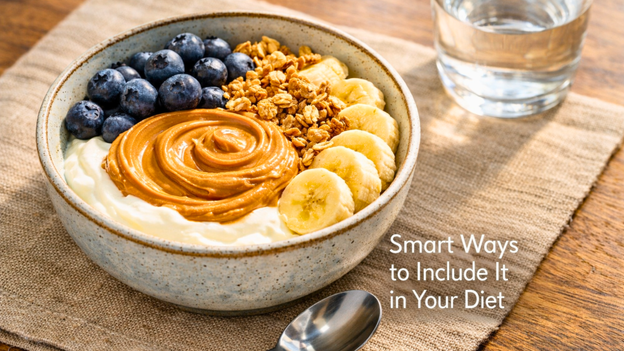
One of the biggest advantages of this spread is how easily it fits into everyday meals. Even small servings can enhance both flavor and nutritional value.
Simple ways to enjoy it include:
- Spreading it on whole grain toast
- Adding it to smoothies for extra protein
- Mixing it with oatmeal or yogurt
- Using it as a dip for fruits like apples or bananas
- Blending it into healthy sauces or dressings
Because it pairs well with many foods, it can easily become part of balanced meal planning.
Choosing the Best Type
Not all versions are created equal. When selecting a healthier option, it helps to check the ingredient list carefully.
Look for these qualities:
- Minimal ingredients (ideally just peanuts and salt)
- No added hydrogenated oils
- Little or no added sugar
Natural varieties usually provide the best nutritional value while avoiding unnecessary additives.
Portion Awareness Matters
Although this food offers valuable nutrients, portion control remains important because it is calorie dense. Following recommended dietary guidelines can help ensure balanced calorie intake while still enjoying its flavor and nutritional benefits.
Nutrition experts often recommend:
- 1 tablespoon for snacks
- 2 tablespoons for meals
Measuring portions helps maintain balanced calorie intake while still enjoying the flavor and benefits.
Why It Continues to Be Popular

Several factors explain why this spread remains widely loved across different cultures and diets:
- It is affordable and accessible
- It provides nutrients and flavor in small servings
- It supports energy needs for active lifestyles
- It fits easily into breakfasts, snacks, and desserts
These practical advantages make it a staple ingredient in many households.
You can also watch: Something Big is Coming | India’s Biggest Walking Movement is Here | By Calorie Tracker Buddy
Summary
This creamy spread has earned its reputation as a popular healthy food because it combines convenience, taste, and nutrition. With protein, healthy fats, and essential vitamins, peanut butter can support energy, muscle maintenance, and balanced eating habits when enjoyed in moderate amounts.
Its versatility allows it to fit into a wide variety of meals, making it a simple yet effective addition to everyday nutrition.
Frequently Asked Questions
1. Is this spread healthy to eat daily?
Yes, moderate portions can be part of a balanced diet because it provides protein, healthy fats, and important nutrients.
2. How much should you eat at once?
Most nutritionists recommend one to two tablespoons per serving to keep calorie intake balanced.
3. Does it help support workouts?
Its combination of protein and healthy fats can help maintain energy and support muscle recovery after exercise.
4. What type should you choose?
Natural varieties with minimal ingredients—ideally just peanuts and salt—are usually the healthiest options.
5. Can it fit into weight management plans?
Yes, when eaten in controlled portions, it can help promote satiety and reduce unnecessary snacking.