
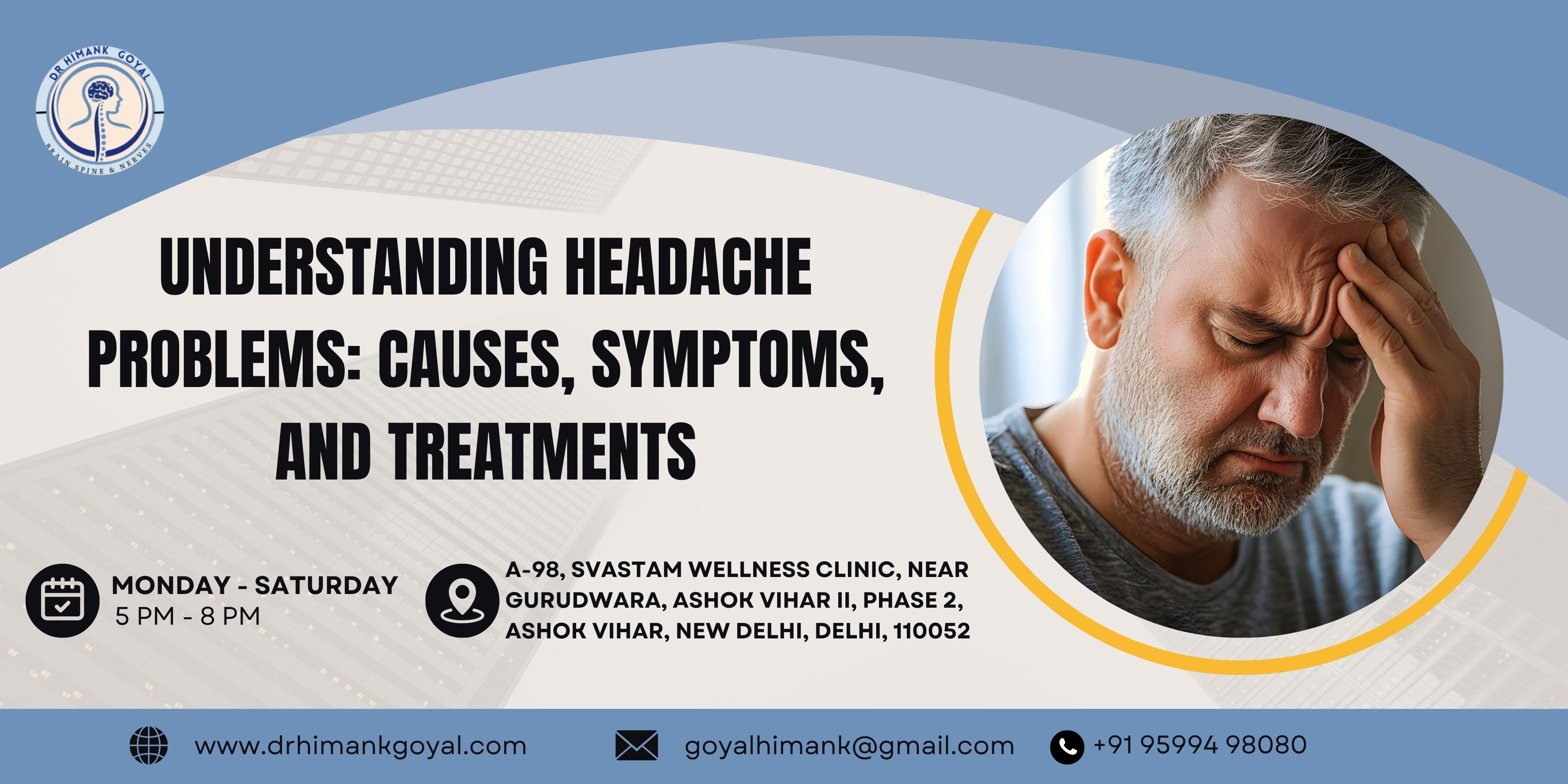
Headaches are one of the most common health complaints worldwide, affecting people of all ages and lifestyles. While most headaches are mild and temporary, some can signal deeper neurological or medical conditions. Understanding the causes, symptoms, and treatments of headaches can help individuals manage them effectively and seek timely medical care when necessary.
What Is a Headache?
A headache is a pain or discomfort in the head or upper neck region. It can vary in intensity, duration, and location—from a dull ache to a sharp, throbbing pain. The pain arises when nerves, blood vessels, and muscles in the head and neck send pain signals to the brain.
Headaches are classified into two main types: primary headaches and secondary headaches.
1. Primary Headaches
Primary headaches are not caused by another underlying health issue. They occur due to overactivity of pain-sensitive structures in the head. Common types include:
a. Tension Headaches
Tension headaches are the most frequent type. They feel like a tight band around the forehead or pressure at the back of the head and neck. Triggers include stress, anxiety, poor posture, and lack of sleep.
Symptoms:
-
Mild to moderate pain on both sides of the head
-
Tightness or pressure sensation
-
Neck or shoulder discomfort
Treatment:
Over-the-counter pain relievers, relaxation exercises, good posture, and stress management techniques such as yoga or meditation are helpful.
b. Migraine Headaches
Migraines are intense headaches often accompanied by other symptoms. They can last for hours or even days and may interfere with daily activities.
Symptoms:
-
Throbbing pain on one side of the head
-
Nausea or vomiting
-
Sensitivity to light and sound
-
Visual disturbances (aura)
Causes:
Migraines are often linked to genetic, hormonal, or environmental factors. Common triggers include certain foods, hormonal changes, lack of sleep, dehydration, and bright lights.
Treatment:
Doctors may recommend specific medications for migraine prevention and relief. Lifestyle changes—like maintaining regular sleep, hydration, and avoiding trigger foods—can also reduce attacks.
c. Cluster Headaches
Cluster headaches are severe, recurring pains that occur in cycles or clusters, usually around one eye. They are less common but extremely painful.
Symptoms:
-
Intense, burning pain around one eye
-
Watery eyes or nasal congestion
-
Occur in clusters over several weeks
Treatment:
Doctors may prescribe oxygen therapy, triptans, or preventive medications. Avoiding alcohol and smoking can help manage the condition.
2. Secondary Headaches
Secondary headaches are symptoms of another medical issue. Identifying and treating the root cause is essential.
Common Causes Include:
-
Sinus infections (Sinus headaches)
-
Head injury or trauma
-
High blood pressure
-
Eye strain
-
Medication overuse
-
Brain infections or tumors (rare but serious)
Symptoms to Watch For:
If you experience sudden, severe headaches, headaches after an injury, or those accompanied by confusion, fever, or vision changes, seek immediate medical attention.
Common Causes of Headaches
Headache triggers vary for each person. Here are some of the most common:
-
Stress and Anxiety: Emotional tension tightens scalp and neck muscles.
-
Poor Sleep or Fatigue: Lack of rest often triggers tension headaches.
-
Dehydration: Even mild dehydration can cause headache symptoms.
-
Eye Strain: Long screen time or uncorrected vision problems can lead to discomfort.
-
Hunger or Skipped Meals: Low blood sugar can trigger headaches.
-
Caffeine Withdrawal: Sudden reduction in caffeine intake may cause rebound headaches.
-
Environmental Factors: Noise, bright lights, and strong smells can also be triggers.
Diagnosis and When to See a Doctor
Most headaches are harmless and can be managed with rest and medication. However, persistent or severe headaches may need professional evaluation.
A neurologist or headache specialist can diagnose the type and cause of headache using physical exams, medical history, and sometimes imaging tests like MRI or CT scans.
Seek medical help if you experience:
-
Frequent headaches (more than 15 days a month)
-
Headaches that worsen over time
-
Pain that follows a head injury
-
Headaches with vision loss, dizziness, or confusion
Effective Treatment Options
1. Medications:
-
Pain Relievers: Paracetamol or ibuprofen for mild headaches.
-
Triptans: For migraines, to control pain and symptoms.
-
Preventive Medications: For chronic headaches, prescribed by doctors.
2. Lifestyle Modifications:
-
Maintain regular sleep and hydration.
-
Follow a balanced diet.
-
Reduce screen time and take eye breaks.
-
Practice relaxation exercises or meditation.
3. Alternative Therapies:
-
Acupuncture: Helps reduce tension and migraine frequency.
-
Physiotherapy: Relieves neck and shoulder tension.
-
Cognitive Behavioral Therapy (CBT): Manages stress-related headaches.
Conclusion
Headaches are common but can have many underlying causes. Recognizing your triggers and understanding the type of headache you experience is the first step toward effective relief. While home remedies and over-the-counter medications can manage mild cases, recurring or severe headaches should never be ignored. Consulting a Headache Specialist in Delhi or a neurologist can help identify the root cause and provide a personalized treatment plan for lasting relief.