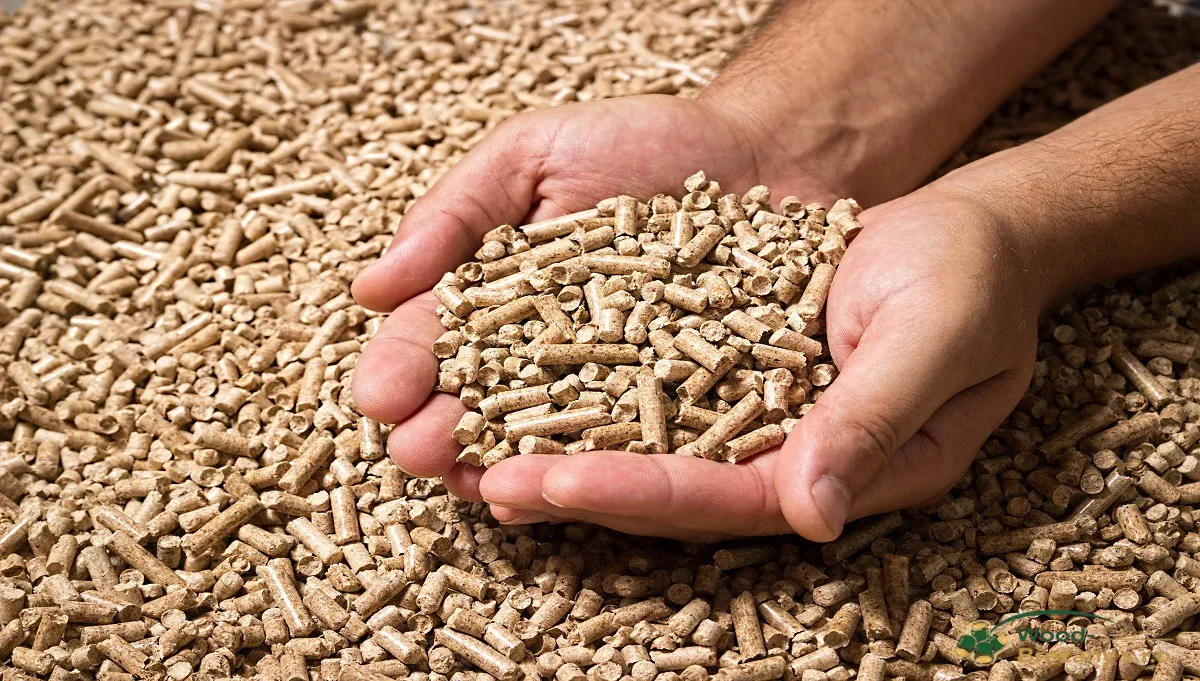
Premium ENplus A1 certified wood pellets for efficient heating. Our high-quality pellets offer consistent burn time and maximum heat output for your pellet stove. Order today for fast delivery across Europe with guaranteed quality.
How Long Does a 40lb Bag of Wood Pellets Last?
Understanding pellet consumption is crucial for budgeting your heating costs and ensuring you never run out during cold weather. Many homeowners wonder exactly how long their investment in wood pellets will last. The answer is not as straightforward as one might think.
A standard 40lb (18.14kg) bag of quality wood pellets typically lasts between 18 to 24 hours of continuous operation in an average pellet stove. However, this timeframe can vary dramatically based on several key factors that we will explore in detail.
Factors Affecting Pellet Consumption Rate
Thermostat Settings and Heat Output
Your stove's heat setting dramatically impacts consumption. Running your stove on high heat (setting 4-5) can consume pellets at nearly double the rate of medium settings. According to industry data, a pellet stove operating at maximum capacity burns approximately 4-5 pounds per hour, while at lower settings it may use only 1.5-2 pounds per hour.
Home Insulation and Size
The size and insulation quality of your home directly affect how hard your stove must work. A well-insulated 1,200 square foot home will require significantly fewer pellets than a poorly insulated 2,500 square foot property. This factor alone can change consumption rates by 30-40%.
Outdoor Temperature
During mild winter days around 5°C, your stove might use just 20-25 pounds of pellets daily. However, when temperatures drop below freezing, consumption can increase to 35-40 pounds per day. This seasonal variation explains why many households budget differently for early winter versus deep winter months.
Pellet Quality Matters
Not all pellets are created equal. Premium ENplus A1 certified pellets like our Holzpellets ENplus A1 burn more efficiently and produce more heat per pound than lower-grade alternatives. Quality pellets have consistent density, low moisture content (under 8%), and minimal ash production.
Stove Efficiency and Age
Modern pellet stoves with advanced combustion technology can be 20-25% more efficient than models from a decade ago. Regular maintenance also plays a crucial role. A clean stove with proper airflow will always consume pellets more efficiently than one with blocked vents or accumulated ash.
Pellet Consumption: What The Numbers Show
Let's break down realistic consumption scenarios based on actual user data:
| Heat Setting | Sq Ft Heated | Daily Consumption (lbs) | 40lb Bag Duration |
|---|---|---|---|
| Low (1-2) | 800-1,200 | 15-20 | 2-2.5 days |
| Medium (3) | 1,200-1,800 | 25-30 | 1.3-1.6 days |
| High (4-5) | 1,800-2,500 | 35-45 | 0.9-1.1 days |
Table: Average pellet consumption rates based on heat settings and home size
As you can see, your specific situation dramatically impacts how long a 40lb bag will last. Most households use a combination of settings throughout the day, resulting in an average bag lasting approximately 24 hours of actual heating time.
Maximising Your Pellet Efficiency
Proper Storage Techniques
Pellets must remain dry to maintain their efficiency. Store them in a covered, dry area with good ventilation. Never leave pellets exposed to humidity or direct moisture. Our guide on proper Pellet Storage details best practices for maintaining quality.
Regular Stove Maintenance
Schedule professional maintenance annually and perform basic cleaning weekly. Ash buildup reduces efficiency by up to 15%. Clean the burn pot, heat exchanger, and exhaust pathways regularly to ensure optimal performance.
Thermostat Programming
Use programmable thermostats to reduce heat during sleeping hours or when the house is empty. Lowering the temperature by just 2°C during these periods can reduce pellet consumption by 10-15% without sacrificing comfort.
Quality Over Quantity
Investing in premium pellets like our certified ENplus A1 Wood Pellets might cost slightly more upfront but delivers better value through consistent heat output and reduced consumption. Lower quality pellets often contain higher moisture content and impurities that reduce efficiency.
Seasonal Planning For Pellet Users
Early Season Purchasing
The optimal time to purchase pellets is during spring or early summer. This timing ensures you get the freshest stock and avoid winter price increases and potential shortages. Visit our Shop to secure your winter supply early.
Bulk Buying Benefits
For households using pellet stoves as their primary heat source, bulk purchasing offers significant advantages. Our customers who order multiple pallets typically save 15-20% compared to buying individual bags. Plus, you eliminate the risk of running out during peak winter months.
A typical home using pellets as the primary heat source will consume 100-150 bags (2-3 tonnes) over a standard European winter. Planning ahead with our subscription delivery service ensures you never face an unexpected shortage.
Comparing Pellet Heating To Other Options
When evaluating heating costs, context matters. While pellets require more hands-on management than gas systems, they often prove more economical than electric heating and offer greater independence from utility price fluctuations.
Premium wood pellets produce approximately 18 MJ/kg of energy, making them highly efficient compared to many alternatives. Their renewable nature and carbon-neutral burning process add environmental benefits that fossil fuels cannot match.
For comprehensive comparisons between different heating options, our detailed analysis on Pellet vs Gas Heating Costs provides valuable insights for making informed decisions.
Key Takeaways
- A 40lb bag of quality pellets typically lasts 18-24 hours of active heating time
- Your specific consumption depends on stove settings, home size, insulation quality and outdoor temperatures
- Premium ENplus A1 certified pellets deliver better value through consistent performance and higher efficiency
- Proper storage and regular stove maintenance can improve efficiency by 15-20%
- Planning purchases for spring/summer ensures better prices and availability
- Bulk buying offers significant cost savings for primary heating users
Frequently Asked Questions
How many bags of pellets do I need for winter heating?
A typical European home using pellets as the primary heat source consumes approximately 100-150 bags (4,000-6,000 lbs) over a standard winter season. This varies significantly based on home size, insulation quality, climate zone and personal comfort preferences. Our team can provide a personalised calculation when you contact us with your specific details.
Can I mix different brands of wood pellets in my stove?
While technically possible, mixing different pellet brands is not recommended. Pellets vary in density, moisture content, ash production and heat output. Consistent performance requires consistent fuel. Stick with one high-quality brand like our certified ENplus A1 pellets for optimal results and to avoid potential stove issues.
What is the difference between premium and standard wood pellets?
Premium ENplus A1 pellets must meet strict quality standards including less than 0.7% ash content, moisture below 10% and consistent density. Standard pellets often have higher ash content (up to 3%) and variable moisture levels, resulting in reduced heat output, more frequent cleaning and potential stove maintenance issues. The initial savings of standard pellets are often offset by decreased efficiency and increased maintenance costs.
How should I store wood pellets to maintain quality?
Store pellets in a dry, covered area with good ventilation. Keep them off concrete floors using pallets or shelving to prevent moisture absorption. Never store pellets in unheated garages or sheds where temperature fluctuations create condensation. For long-term storage solutions, our storage guide provides detailed recommendations to preserve pellet quality.
Are wood pellets environmentally friendly?
Yes, certified wood pellets represent one of the most sustainable heating options available. They utilise wood waste from managed forests, are carbon-neutral when burned, and support circular economy principles. Our pellets come exclusively from FSC-certified forests ensuring responsible forestry practices. The carbon emissions from burning pellets are offset by new tree growth, making them significantly more environmentally friendly than fossil fuel alternatives.
Final Thoughts
Understanding your pellet consumption empowers you to heat your home efficiently while maximising value. While a 40lb bag typically provides about a day of heating, numerous factors influence this duration. By choosing quality fuel, maintaining your equipment properly and planning purchases strategically, you can optimise both comfort and cost-effectiveness.
At Wood-Břežany GmbH, we specialise in premium biomass heating solutions backed by over a decade of expertise. Our certified pellets deliver consistent performance you can rely on throughout the heating season. Visit our shop today to explore our complete range of heating products designed for European homes.