
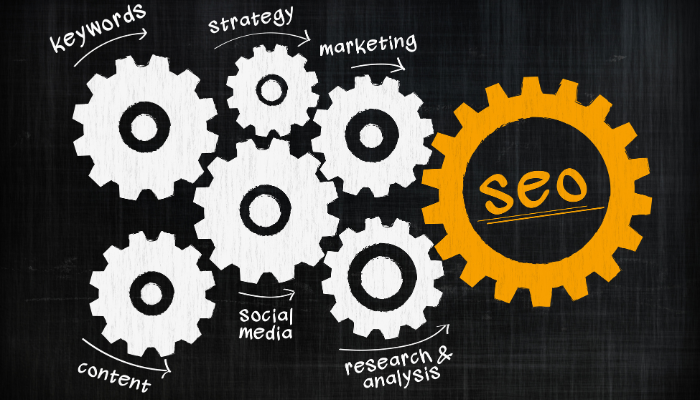
SEO professionals use data to understand how people find a website, which pages attract qualified visitors, and where search performance can be improved. Instead of relying on assumptions, they examine rankings, search queries, clicks, engagement, conversions, technical health, and competitor activity. These insights help them make better decisions about content, keywords, internal links, and website improvements.
Data-driven SEO is not about collecting every available metric. The goal is to identify useful patterns and turn them into actions that support organic visibility and business growth.
Set Clear SEO Goals
Before analyzing performance, SEO professionals define what the website needs to achieve. A publisher may prioritize readership and returning visitors, while an e-commerce store may focus on transactions and revenue.
Common SEO goals include:
- Increasing qualified organic traffic
- Improving visibility for important topics
- Generating leads or sales
- Growing local search discovery
- Increasing newsletter subscriptions
- Improving engagement with key pages
- Reducing technical indexing problems
Clear goals help specialists select useful metrics. For example, traffic growth has limited value if visitors do not belong to the target audience or complete meaningful actions.
Analyze Search Console Data
Google Search Console helps website owners understand how their pages perform in Google Search. SEO professionals review data such as:
- Search impressions
- Organic clicks
- Average search position
- Click-through rate
- Search queries
- High-performing landing pages
- Countries and devices
- Indexed and excluded pages
A page with many impressions but a low click-through rate may need a clearer title or stronger search-result description. A page ranking near the top of the second results page may benefit from deeper content, improved internal links, or better intent alignment.
Search Console can also reveal indexing problems, crawl errors, manual actions, and structured data issues.
Measure User Behavior and Conversions
Search Console explains what happens before users arrive, while analytics platforms help specialists understand what happens after the visit.
SEO professionals examine:
- Engaged sessions
- Important events
- Conversion rates
- Product purchases
- Form submissions
- Landing-page performance
- User navigation paths
- Organic revenue
A page may generate substantial organic traffic but few conversions. This could indicate that the visitors have informational intent, the call to action is unclear, or the page targets an irrelevant keyword.
Professionals evaluate the page within the customer journey before deciding whether its performance is weak. An educational article may assist conversions even if it does not generate immediate sales.
Find Content Gaps and Opportunities
Keyword and competitor data can reveal questions that a website does not yet answer. However, specialists do not copy every topic published by competitors.
They prioritize opportunities based on:
- Audience relevance
- Search intent
- Business value
- Existing subject expertise
- Ranking difficulty
- Content resources
- Conversion potential
SEO professionals group related queries into topic clusters. One comprehensive page may target several closely connected terms, while separate pages are created when users expect clearly different answers.
Refresh Underperforming Content
Historical data helps identify pages that have lost clicks, impressions, rankings, or conversions. Performance declines may result from outdated information, stronger competitors, changing search behavior, or technical problems.
A content refresh may involve:
- Updating facts and statistics
- Improving the introduction
- Adding missing questions
- Replacing broken links
- Strengthening evidence
- Improving headings
- Adding original examples
- Combining overlapping pages
- Updating images and alternative text
Changing the publication date without making meaningful improvements does not provide additional value. Updates should make the page more accurate and useful.
Use Data to Improve Internal Linking
Website crawls and analytics reports show which pages receive links and how visitors move through the site. Important pages with few internal links may be difficult for users and search engines to discover.
Specialists add relevant links from established pages to useful supporting content. They use descriptive anchor text and avoid placing links where they do not help the reader.
Internal-link data can also expose orphan pages, broken destinations, excessive redirect chains, and pages buried too deeply within the website.
Monitor Technical Performance
Technical data helps SEO professionals protect crawling, indexing, usability, and page experience. They monitor:
- Server errors
- Broken links
- Redirect problems
- Mobile usability
- Core Web Vitals
- Canonical conflicts
- Duplicate pages
- XML sitemap coverage
- Structured data errors
Technical fixes are prioritized according to their potential effect. An indexing error affecting important product pages normally deserves attention before a minor issue on a low-value archive.
Test Changes and Compare Results
SEO performance can change because of seasonality, algorithm updates, website edits, competitors, or market demand. Specialists document important changes and compare results over suitable time periods.
They may test page titles, introductions, content formats, internal links, or calls to action. One metric is rarely enough to prove success, so they study visibility, traffic quality, engagement, and conversions together.
Conclusion
SEO professionals use data to replace guesswork with evidence-based decisions. Search performance reports, user behavior, conversion tracking, technical audits, and competitor research reveal where meaningful improvements can be made. By connecting every metric to a clear goal, specialists can strengthen content, resolve website problems, attract qualified visitors, and build sustainable organic growth.