
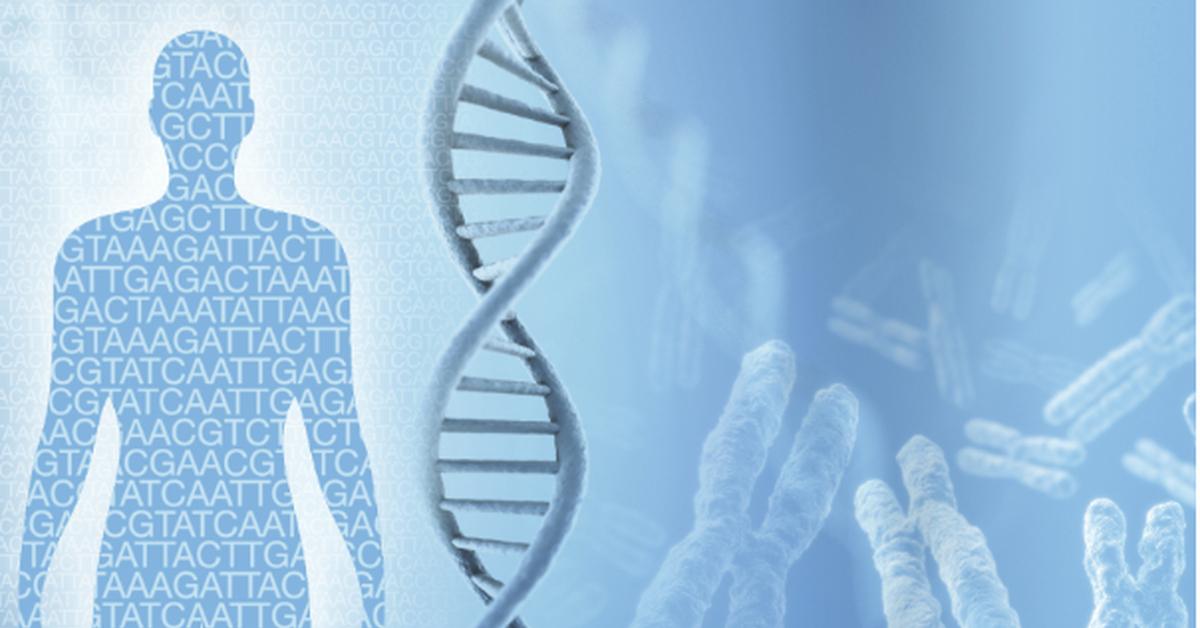
Next generation sequencing (NGS), also known as high-throughput sequencing, is an efficient method for DNA sequencing that can sequence millions of DNA fragments in a single run. NGS works by parallelizing the sequencing process, producing thousands or millions of sequences simultaneously. Some of the key features of NGS include lowered cost per sequenced base, increased speed of sequencing, and ability to sequence entire genomes or transcriptomes in one go.
Capabilities of NGS
Next Generation Sequencing offers significantly higher throughput and lower per base cost compared to first generation Sanger sequencing method. This has enabled applications that were not possible before like whole genome sequencing. NGS can rapidly sequence complete genomes of any organism at an unprecedented speed and reduced cost. For example, the first human genome sequencing project took over a decade to complete at a cost of nearly $3 billion. Today, a human genome can be sequenced within a single day for just $1000 thanks to advanced NGS platforms.
Working Process of NGS
Most NGS platforms work by sequencing millions of DNA fragments in parallel. The basic workflow involves fragmentation of DNA into small 300-400 base pair segments, adapter ligation for amplification and attachment to a surface like a flow cell, bridge amplification to generate clusters, sequencing by synthesis using fluorescently labeled nucleotides, and data analysis. Massively parallel sequencing is performed where each individual fragment is sequenced independently in its own "lane" allowing millions of reactions to take place simultaneously. The abundance of short reads from parallel sequencing is then computationally assembled to reconstruct entire genomes or transcriptomes.
Applications of NGS
The wide range of applications that have benefited from NGS include human genome sequencing, cancer genomics, clinical diagnostics, metagenomics, transcriptomics, and more. NGS has revolutionized human genome sequencing by enabling large-scale population studies and precision medicine approaches. Cancer genomics uses NGS to identify genetic mutations driving tumor growth and progression. Clinical NGS tests can diagnose rare genetic disorders by screening the entire genome or exome. Metagenomics studies microbial diversity by sequencing all DNA from an environmental sample. Transcriptomics analyzes global gene expression patterns using RNA sequencing. Overall, NGS has emerged as a truly transformative technology in biological and medical research.
Ongoing Advances in NGS
The NGS field is rapidly evolving with continued technological advancements that are making sequencing faster, cheaper and more accessible. Third generation sequencing platforms like those from PacBio and Oxford Nanopore can sequence extremely long reads in sizes up to 1 million bases, allowing resolution of complex genomic regions. Portable miniature sequencers are being developed for point-of-care applications in clinical settings. Cloud-based analysis pipelines and consumer home testing kits also aim to decentralize genomics. Optical mapping and long read technologies are improving genome assembly. Nanopore sequencing is finding new applications in single-cell genomics and real-time surveillance. With its continued progress, NGS promises to revolutionize our understanding of biology and human health in the years to come.
Get This Report in Japanese Language - 次世代シーケンシング
Get This Report in Korean Language - 차세대 시퀀싱
Read More Articles Related to this Industry –
Read More Articles Related to this Industry –
Innovations in Amino Acid Production: A Look at Biotechnological Advances
How Agar is revolutionizing the Pharmaceutical and Biotechnology Sectors
About Author:
Priya Pandey is a dynamic and passionate editor with over three years of expertise in content editing and proofreading. Holding a bachelor's degree in biotechnology, Priya has a knack for making the content engaging. Her diverse portfolio includes editing documents across different industries, including food and beverages, information and technology, healthcare, chemical and materials, etc. Priya's meticulous attention to detail and commitment to excellence make her an invaluable asset in the world of content creation and refinement.
(LinkedIn- https://www.linkedin.com/in/priya-pandey-8417a8173/)