
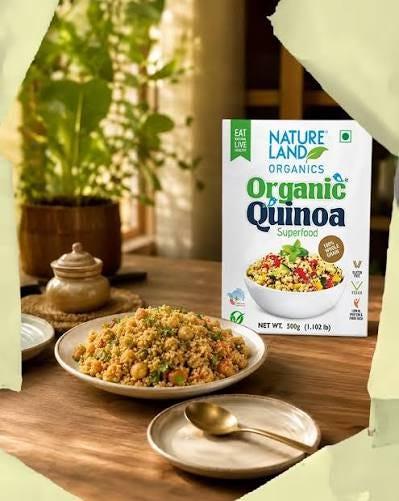
It’s been sitting in health food stores for years. You’ve probably walked past it, picked it up, put it back down, and thought — what exactly do I do with this?
Quinoa gets talked about a lot. But most of what people hear is vague. “It’s healthy.” “It’s a superfood.” “It’s good for you.”
That’s not enough. Here’s the real story — what organic quinoa actually contains, what it genuinely does for your body, and how to eat it without it tasting like cardboard.
What Is Organic Quinoa?
Quinoa (pronounced keen-wah) is a seed — not technically a grain, though it’s cooked and eaten like one. It originates from the Andean region of South America, where it was a staple crop for the Inca civilisation for thousands of years.
Organic quinoa is grown without synthetic pesticides, chemical fertilizers, or GMO seeds. The farming process follows certified organic standards — protecting the soil, the crop, and the people eating it from unnecessary chemical exposure.
What makes quinoa stand out in the world of organic food products is simple — it does things most grains can’t. And organic farming ensures those benefits arrive in your kitchen completely intact.
The Nutritional Profile — Why Quinoa Is Genuinely Different
Let’s get specific, because quinoa’s nutrition is what sets it apart from nearly every other plant food.
A Complete Protein — All Nine Essential Amino Acids
This is quinoa’s most remarkable quality. It contains all nine essential amino acids — including lysine, which most grains lack entirely. That makes it one of the very few plant-based complete protein sources in existence.
For vegetarians, vegans, and anyone looking to reduce meat consumption without sacrificing protein quality — organic quinoa is genuinely valuable. One cooked cup delivers around 8 grams of protein, comparable to an egg.
Complex Carbohydrates with a Low Glycaemic Index
Quinoa provides slow-releasing carbohydrates that don’t spike blood sugar the way white rice or refined grains do. Its glycaemic index is significantly lower than most staple grains — making it a smart choice for people managing blood sugar, weight, or energy levels.
Rich in Dietary Fibre
One cup of cooked quinoa contains around 5 grams of fibre — supporting digestion, feeding beneficial gut bacteria, and helping you stay fuller for longer after a meal.
An Impressive Mineral Range
Organic quinoa is notably high in:
Magnesium — supports muscle function, nerve health, and sleep quality.
Iron — essential for oxygen transport and energy production, particularly important for women and vegetarians.
Zinc — supports immunity, wound healing, and skin health.
Phosphorus — critical for bone health and cellular energy.
Manganese — an antioxidant mineral that supports metabolism and bone development.
Vitamins That Support Daily Function
Quinoa provides B vitamins — particularly folate (B9), which is essential during pregnancy and supports brain function. It also contains Vitamin E, a fat-soluble antioxidant that protects cells from oxidative damage.
Naturally Gluten-Free
For people with coeliac disease, gluten intolerance, or anyone choosing to reduce gluten — organic quinoa is a complete, naturally gluten-free alternative to wheat, barley, and rye. It doesn’t just replace those grains — in many ways it outperforms them nutritionally.
Top Health Benefits of Organic Quinoa
Supports Weight Management
Quinoa’s combination of protein, fibre, and low glycaemic carbohydrates is ideal for weight management. Protein and fibre together reduce appetite and delay hunger — meaning you eat less at the next meal without consciously trying. Replacing white rice with organic quinoa in your daily diet is one of the simplest, most effective dietary upgrades you can make.
Balances Blood Sugar Levels
The slow carbohydrate release from quinoa prevents the sharp blood sugar spikes that follow refined grain meals. For people with type 2 diabetes or insulin resistance — and for anyone who wants to avoid the energy crash that follows a heavy carb meal — organic quinoa is a genuinely practical solution.
Strengthens Bones
The combination of magnesium, phosphorus, and manganese in organic quinoa actively supports bone density. For women especially — who face higher osteoporosis risk with age — incorporating quinoa regularly into the diet is a meaningful dietary strategy.
Powers Your Digestive System
The dietary fibre in quinoa feeds the beneficial bacteria in your gut microbiome, supports regular bowel movements, and reduces the risk of bloating and digestive discomfort. A healthy gut affects immunity, mood, skin, and energy — and quinoa supports all of it through consistent fibre intake.
Reduces Inflammation
Organic quinoa contains quercetin and kaempferol — two powerful antioxidant flavonoids with proven anti-inflammatory properties. Chronic low-grade inflammation is linked to heart disease, diabetes, and a range of other health concerns. A diet that includes anti-inflammatory foods like organic quinoa works against that slow burn from the inside.
Heart Health Support
The fibre, healthy fats, and antioxidants in quinoa work together to support cardiovascular health — reducing LDL cholesterol, supporting healthy blood pressure, and protecting arterial walls from oxidative damage. It’s one of the most well-rounded organic food products for long-term heart health.
An Excellent Choice During Pregnancy
Folate is critical in the early stages of pregnancy for neural tube development. Organic quinoa is one of the richest plant-based sources of folate available — making it a genuinely important food for women who are pregnant or planning to conceive.
Organic Quinoa vs Regular Quinoa — Does It Matter?
Yes — and here’s why.
Conventionally farmed quinoa can carry pesticide residues from the synthetic chemicals used during cultivation. Since quinoa is eaten whole — not peeled or heavily processed — whatever is on the outer layer of the seed reaches your plate directly.
Certified organic quinoa eliminates this. No synthetic pesticides, no chemical fertilizers, no GMO seeds. The nutrients that make quinoa worth eating arrive clean — without the chemical baggage that comes with conventional farming.
When you choose organic products, you’re not just paying for a label. You’re paying for a verifiable farming standard that protects your health at the source.
How to Cook Organic Quinoa — Simple, Foolproof Method
Quinoa has a reputation for being tricky. It really isn’t.
Basic ratio: 1 cup quinoa to 2 cups water.
Step 1: Rinse the quinoa thoroughly under cold water for 30–60 seconds. This removes saponins — the natural coating that gives quinoa a bitter taste if not washed off.
Step 2: Add rinsed quinoa and water to a saucepan. Bring to a boil.
Step 3: Reduce heat to low, cover, and simmer for 15 minutes.
Step 4: Remove from heat and let it sit covered for 5 minutes. Fluff with a fork.
That’s it. The quinoa is ready when you see tiny spiral tails curling away from each grain — that’s the germ separating, which means it’s perfectly cooked.
Easy and Delicious Ways to Eat Organic Quinoa
Quinoa Instead of Rice
The simplest swap. Use cooked organic quinoa anywhere you’d use rice — with dal, curry, sabzi, or stir-fry. It absorbs flavours beautifully and adds a subtle nutty note to every dish.
Quinoa Breakfast Bowl
Cook quinoa in milk (dairy or plant-based) instead of water. Top with organic honey, chopped fruits, nuts, and seeds. It’s a protein-rich, filling breakfast that keeps hunger away until lunch — genuinely better than most cereals on the market.
Quinoa Salad
Toss cooked and cooled quinoa with chopped cucumber, tomato, onion, coriander, lemon juice, and a drizzle of olive oil. Add chickpeas for extra protein. Light, fresh, and ready in minutes.
Quinoa Khichdi
Replace rice with organic quinoa in your regular khichdi recipe. Add moong dal, turmeric, cumin, and ghee. The result is a lighter, higher-protein version of a beloved Indian comfort food.
Quinoa Upma
Use quinoa in place of semolina (rava) in your upma. Same process, same spices — but far more nutritious and naturally gluten-free.
Quinoa Soup
Add cooked quinoa to vegetable or lentil soup for thickness, texture, and a significant protein boost. It works particularly well in tomato-based or spinach soups.
Quinoa Energy Balls
Mix cooked quinoa with oats, organic peanut butter, honey, and dark chocolate chips. Roll into balls and refrigerate. A high-protein snack that takes ten minutes to make and lasts a week in the fridge.
Stuffed Vegetables
Use seasoned quinoa as a stuffing for bell peppers, tomatoes, or zucchini. Bake until tender. A complete, impressive meal that’s genuinely easy to put together.
Who Should Be Eating Organic Quinoa?
The honest answer is — most people would benefit from it. But it’s particularly valuable for:
Vegetarians and vegans who need complete protein from plant sources without relying on meat or dairy.
People managing blood sugar who need low-GI carbohydrate options that don’t compromise on nutrition.
Fitness enthusiasts who need high-quality protein and complex carbohydrates to support training and recovery.
Pregnant women who need reliable folate, iron, and magnesium from food sources.
People with gluten intolerance looking for a nutritious, naturally gluten-free grain alternative.
Anyone trying to lose weight who needs filling, nutrient-dense meals that reduce overall calorie intake naturally.
Where to Buy Organic Quinoa in India
Finding genuinely certified organic quinoa in India used to be a challenge. That’s changed.
Natureland Organics offers certified organic quinoa that meets strict organic farming standards — grown without synthetic chemicals, minimally processed, and packaged to preserve its nutritional integrity.
As one of India’s most trusted names in organic food products, Natureland Organics makes clean, certified quinoa accessible for everyday Indian households — whether you’re cooking a simple quinoa khichdi or building a more elaborate meal plan around plant-based nutrition.
Their organic quinoa is consistent in quality, clearly certified, and available online — making it one of the most straightforward ways to add a genuinely powerful organic food product to your daily diet without the guesswork of sourcing.
The Takeaway
Organic quinoa isn’t a trend that’s going to fade. It’s an ancient food with a nutritional profile that genuinely holds up under modern scrutiny — complete protein, low glycaemic carbohydrates, essential minerals, antioxidants, and dietary fibre all in one small seed.
The organic certification makes it better — cleaner, more trustworthy, and free from the chemical residues that come with conventional farming.
And the cooking? Easier than you think. More versatile than you’d expect.
Add it to your kitchen once, and you’ll wonder what took you so long.