
1. Introduction to Gimkit: Revolutionizing Classroom Engagement
In the evolving landscape of education, technology plays an increasingly vital role in how students learn and interact with information. Among the myriad tools that have emerged to transform traditional classroom experiences, Gimkit stands out as one of the most engaging and student-friendly platforms. Created by a high school student who wanted a better way to study, Gimkit blends learning with fun through interactive, game-like quizzes that captivate students’ attention and reinforce learning outcomes.
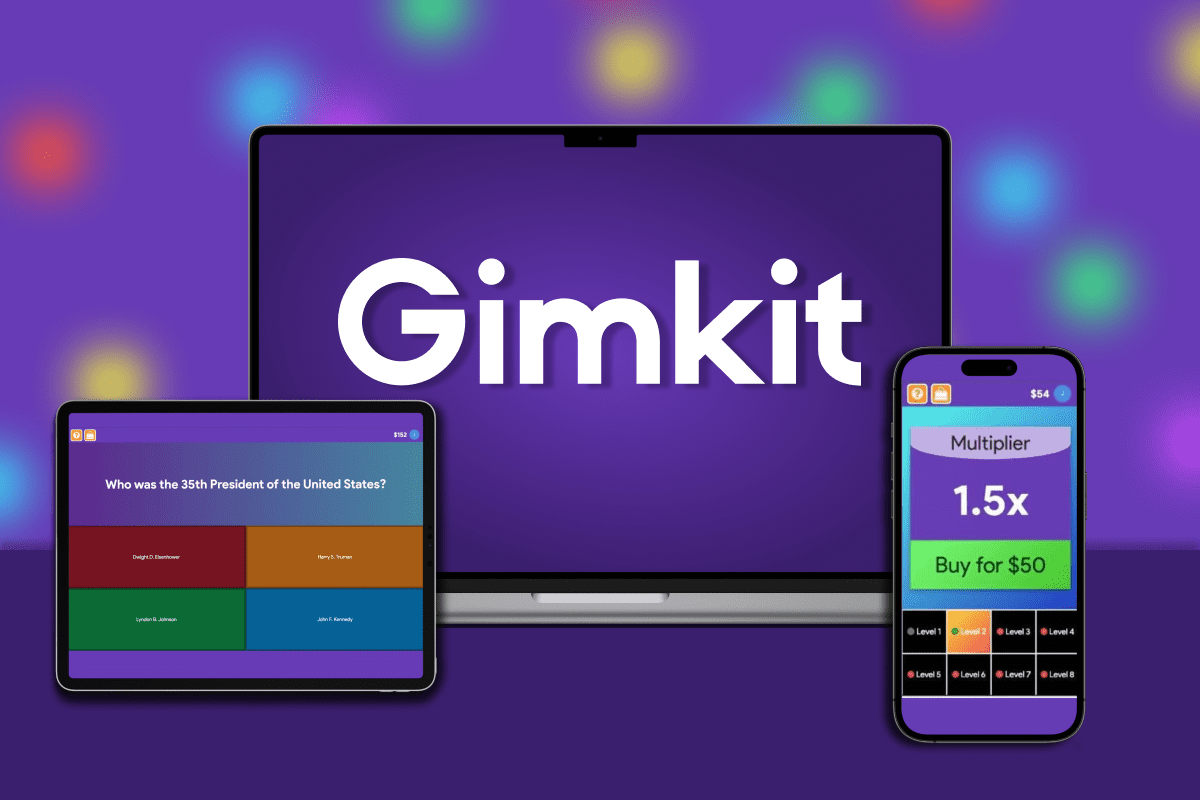
Gimkit is not just a quiz tool—it's a comprehensive classroom engagement system. Teachers can create or import question sets (called "Kits") and students play them in game modes that reward correct answers with in-game currency. With this currency, students can buy upgrades or power-ups, adding a strategic layer to their learning. The result? A highly motivating, immersive experience that encourages participation, reinforces content, and makes learning genuinely enjoyable.
2. Key Features That Make Gimkit Stand Out
Gimkit's appeal lies not only in its simplicity but also in the depth of its features. It’s designed with both educators and students in mind, making it easy to use while remaining flexible enough to support various teaching strategies and content areas.
Real-Time Gameplay with Interactive Modes
One of Gimkit’s most exciting features is its variety of game modes, each designed to make learning interactive and enjoyable. Classic mode allows students to compete individually, while Team Mode promotes collaboration. Other creative modes like “Trust No One,” inspired by popular video games, introduce elements of mystery and strategy. These modes offer different learning dynamics and can be tailored to the classroom’s atmosphere and goals.
Teachers can also control the pace of the game—whether it's teacher-led or student-paced—making it ideal for both formative assessment and full-class reviews. The live updates and instant feedback keep students engaged and help teachers monitor understanding in real-time.
Customization and Flexibility
Gimkit offers extensive customization options. Educators can create their own Kits from scratch or import them from Quizlet, Google Sheets, or even other educators. This flexibility ensures that teachers can align the content precisely with their curriculum.
Additionally, educators can modify the number of questions, set time limits, control power-up availability, and decide game rules. Whether it’s a quick review session or a full-day competition, Gimkit can be tailored to fit any teaching need.
In-Game Currency and Power-Ups
What truly sets Gimkit apart is its economy-based gameplay. Students earn in-game money for each correct answer and can reinvest this money into power-ups or upgrades. These upgrades can increase point earnings, reduce penalties, or even sabotage opponents (in specific game modes).
This system encourages strategic thinking and introduces an engaging risk-reward element. More importantly, it transforms routine quizzes into exciting competitions that students look forward to, even in subjects they may typically find challenging.
3. Benefits of Using Gimkit in the Classroom
Beyond its game-like appeal, Gimkit provides tangible academic benefits. Its design helps reinforce learning, promote engagement, and support various educational goals.
Boosts Student Engagement
Traditional classroom tools often fail to hold students' attention for extended periods. Gimkit, however, turns assessments into games—sparking enthusiasm and motivation. Students are more willing to participate and put in effort because the format is fun and rewarding. The real-time nature of gameplay keeps students alert and focused, which can lead to higher retention and better performance.
Enhances Learning Through Repetition
One of Gimkit’s most powerful learning tools is how it handles incorrect answers. When a student gets a question wrong, the correct answer is displayed, and the question often reappears later in the session. This form of spaced repetition strengthens memory retention and reinforces understanding. Unlike punitive grading systems, Gimkit uses mistakes as learning moments—reducing anxiety and increasing persistence.
Fosters Collaboration and Healthy Competition
Many Gimkit modes encourage collaboration, either through team-based gameplay or group strategy. These collaborative elements foster communication, teamwork, and problem-solving skills. At the same time, the competitive format challenges students to outperform themselves or their peers, making learning exciting and dynamic without becoming overly stressful.
4. Tips for Maximizing Gimkit’s Educational Impact
To fully leverage what Gimkit has to offer, educators should consider integrating it strategically into their lesson plans. Here are a few tried-and-tested approaches.
Incorporate It into Review Sessions
Gimkit shines as a review tool. Use it to reinforce concepts before quizzes, tests, or major assignments. Because it’s fun, students often don’t realize they’re studying—they just see it as a break from routine. Regular use before assessments can greatly improve recall and boost performance.
Encourage Student-Created Kits
Let students create their own question sets. This shifts their role from passive recipients to active learners. In building Kits, students must understand the material well enough to formulate questions, which deepens comprehension and reinforces learning.
This student-centered approach also promotes creativity and ownership. When learners present their Kits to the class, they not only review content but also develop communication and presentation skills.
Track Performance and Provide Feedback
Gimkit provides detailed data on student performance. Teachers can review which questions were missed most often, how quickly students responded, and overall class accuracy. This data can guide instruction by highlighting content areas that need further review.
Additionally, personalized feedback based on game performance helps students understand their strengths and areas for improvement, making learning more targeted and efficient.
5. The Future of Learning with Tools Like Gimkit
As digital tools become increasingly integrated into the classroom, platforms like Gimkit represent the future of education—where learning is not just a task, but an experience. Gimkit’s ability to engage, assess, and educate simultaneously makes it a valuable asset for modern teachers looking to meet the needs of 21st-century learners.
The platform is constantly evolving, with new game modes, improved user interfaces, and additional customization features being released regularly. Moreover, as student voices and feedback continue to influence development, Gimkit remains adaptable and responsive to the classroom’s changing needs.
In conclusion, Gimkit is more than just a quiz game—it's a transformative tool that turns learning into something students genuinely enjoy. By combining the excitement of gaming with solid pedagogical practices, it offers a blueprint for what the future of education can look like: interactive, engaging, and deeply effective.