
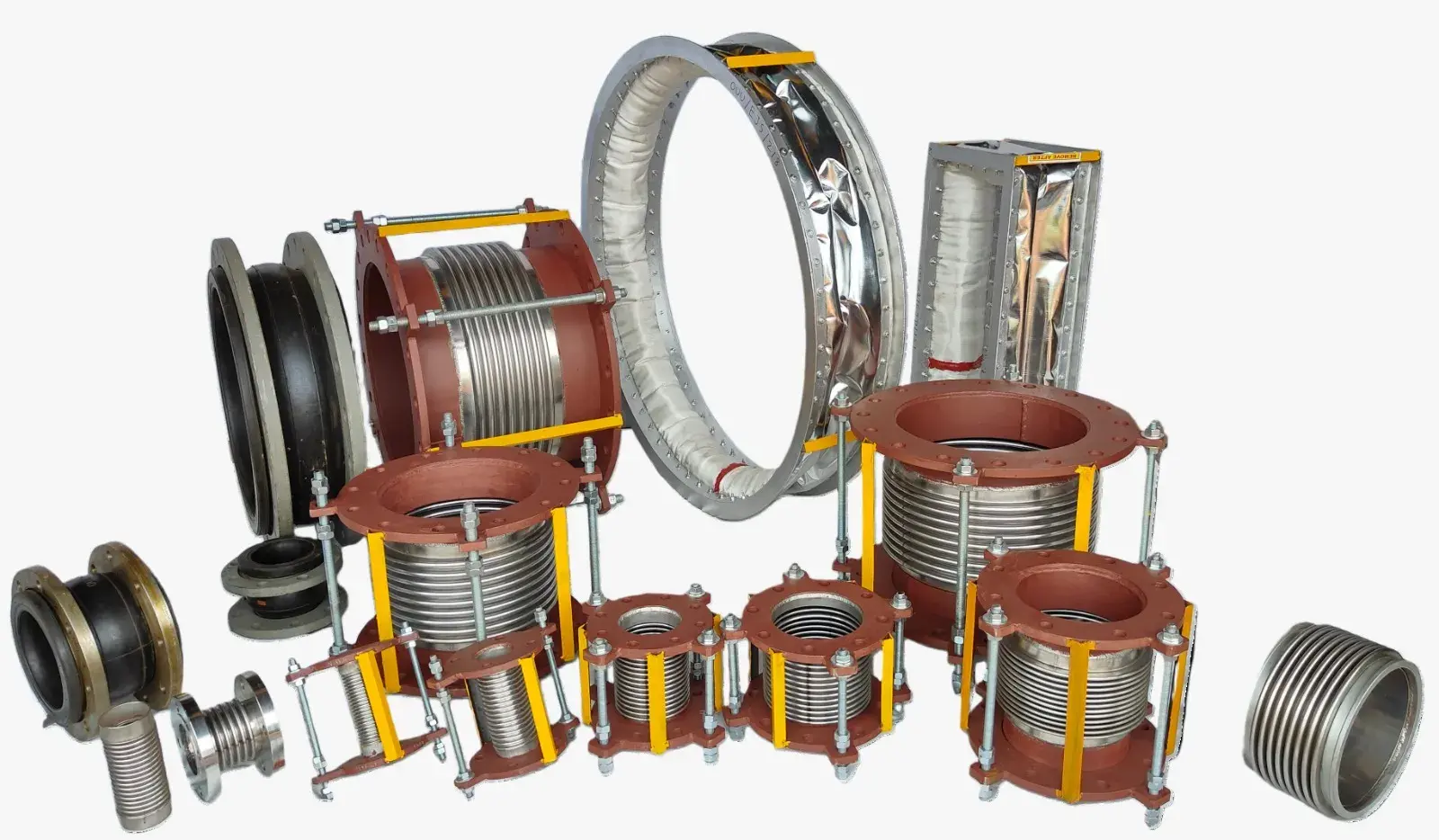
Power plants are noisy, hot, and constantly under pressure—literally. From massive boilers to endless piping networks, every component is expected to expand, contract, and still perform flawlessly. Somewhere between thermal shock and mechanical vibration lies a quiet hero: the metal bellows expansion joint. In Indian power plants, where operating conditions can be unforgiving, these components solve problems most people never see—until something fails.
A well-designed Metal bellows expansion joint acts like a pressure-release valve for movement. It absorbs expansion, isolates vibration, and protects piping systems from stress-related damage. But using them in power plants comes with its own set of challenges—and smart engineering solutions.
The Reality of Power Plant Operating Conditions
Indian power plants—thermal, gas-based, nuclear, and increasingly renewable—operate across wide temperature and pressure ranges. Steam lines can exceed several hundred degrees Celsius, while auxiliary systems face constant start-stop cycles. According to India’s Central Electricity Authority (cea.nic.in), unplanned outages due to mechanical failures remain a significant concern, especially in aging thermal plants.
In such environments, rigid piping is simply unrealistic. Metals expand when heated, contract when cooled, and vibrate under fluid flow. Ignore this movement, and cracks, leaks, or catastrophic joint failures are almost guaranteed.
Key Challenges with Metal Bellows Expansion Joints
1. Extreme Thermal Cycling
Power plants rarely operate at a single steady temperature. Load changes, shutdowns, and emergency trips cause rapid thermal cycling. Over time, this repeated expansion and contraction can fatigue bellows if not properly designed.
2. High Pressure & Flow-Induced Vibration
Steam and flue gases move fast. Very fast. This creates vibration that can resonate with piping systems. If the expansion joint isn’t engineered for dynamic loads, it may amplify stress instead of absorbing it.
3. Space Constraints in Retrofitting
Many Indian power plants are decades old. Retrofitting modern expansion joints into tight pipe racks or congested boiler areas often feels like solving a puzzle with missing pieces.
- Limited installation clearances
- Misalignment in legacy piping
- Inconsistent support structures
Engineering Solutions That Actually Work
Here’s the good news: most expansion joint failures are preventable. The difference lies in design, material selection, and application-specific engineering.
Optimised Bellows Design
Multi-ply bellows, reinforced convolutions, and stress-optimized geometries significantly improve fatigue life. Instead of overengineering blindly, modern designs use calculated movement ranges based on actual operating data.
Right Material for the Right Job
Stainless steel alloys like SS 321 or Inconel are commonly used in high-temperature zones, while corrosion-resistant materials are preferred in flue gas desulfurization systems. A one-material-fits-all approach rarely works in power plants.
This is where a properly specified Metal Expansion Joint makes all the difference—tailored not just to temperature, but to pressure, media, and movement direction.
Guided Systems & Anchoring
Expansion joints don’t work in isolation. Proper pipe guides and anchors control movement and prevent lateral instability. Without them, even the best bellows design can fail prematurely.
- Use anchors to define fixed points
- Install guides to control axial movement
- Allow expansion joints to do only what they’re designed for
Why Flexibility Is Non-Negotiable in Piping?
If there’s one lesson experienced plant engineers agree on, it’s this: flexibility isn’t optional—it’s essential. Rigid systems crack under pressure, while flexible systems adapt.
This is explained well in Why Are Flexible Connections Needed In Piping Designs?, which highlights how controlled flexibility extends equipment life and improves overall plant reliability.
India-Specific Considerations
Indian power plants often deal with fluctuating fuel quality, monsoon-driven temperature changes, and high dust or ash content. These factors demand robust sealing, corrosion resistance, and ease of maintenance.
As India pushes toward efficiency upgrades and emission reductions—outlined by the Ministry of Power (powermin.gov.in)—modern expansion joint solutions will play a quiet but critical role.
FAQs
1. What causes metal bellows expansion joints to fail in power plants?
Most failures are due to incorrect design assumptions, lack of proper pipe supports, or material mismatch with operating conditions—not the bellows themselves.
2. Are metal bellows suitable for high-temperature steam lines?
Yes, when designed with appropriate alloys and convolution geometry, metal bellows perform reliably even in extreme steam applications.
3. How often should expansion joints be inspected?
Visual inspections during planned shutdowns are recommended, with detailed checks based on operating severity and cycle frequency.
4. Can old plants be retrofitted with modern expansion joints?
Absolutely. Custom-designed joints are commonly used to upgrade aging piping systems without major layout changes.
Final Thoughts
Metal bellows expansion joints may not be the most visible components in a power plant, but they’re among the most critical. In India’s demanding power sector, the right design choices can mean the difference between smooth operation and costly downtime. When flexibility is engineered correctly, the entire system breathes easier.
Full Audio: Listen Here