
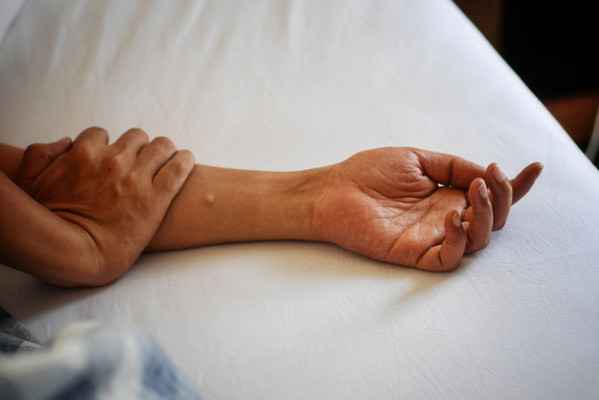
Living with cancer often brings physical discomfort that affects daily life, mood, and energy. Finding effective pain relief for cancer pain is not just about easing symptoms — it’s about helping patients regain control and live more comfortably. Today, a combination of medical treatments, supportive therapies, and personalized care has transformed how cancer-related pain is managed.
Why Cancer Pain Occurs
Cancer pain can come from the tumor pressing on nerves or organs, or as a result of treatments such as chemotherapy, radiation, or surgery. Pain may vary in nature:
-
Burning or tingling nerve pain
-
Deep bone pain
-
Pressure-related soft tissue pain
-
Pain after medical procedures
Because every patient experiences pain differently, a personalized plan is essential. This is where specialized facilities like an oncology pain relief clinic offer structured assessments to identify the exact source and type of pain.
Medical Treatments With Strong Results
Some medical methods consistently help reduce cancer-related pain. Doctors often combine different approaches to achieve maximum relief.
1. Medications That Target Different Pain Types
A stepwise approach is commonly used:
-
Non-opioid medicines: paracetamol or NSAIDs for mild pain
-
Opioids: morphine, oxycodone, or fentanyl for moderate to severe pain
-
Adjuvant medicines: antidepressants or anticonvulsants for nerve pain
Medication plans are carefully monitored to manage dosage and avoid unnecessary side effects.
2. Interventional Techniques
When pain is concentrated in a specific area, targeted procedures can help:
-
Nerve blocks
-
Epidural injections
-
Radiofrequency treatments
-
Spinal pumps for medicine delivery
These methods can significantly reduce discomfort when regular medicines are not enough.
In many cases, patients receive these treatments at a dedicated cancer pain management clinic, where specialists provide advanced techniques and close supervision.
Supportive Therapies That Add Real Comfort
Supportive care plays a powerful role alongside medical treatments. These methods help ease stress, relax the body, and improve overall well-being.
Physical-based Therapies
-
Physiotherapy to increase mobility
-
Gentle exercises to reduce stiffness
-
Massage therapy to ease muscle tension
Mind–Body Approaches
-
Guided breathing exercises
-
Meditation or mindfulness
-
Cognitive behavioural strategies for coping with long-term discomfort
Nutritional and Lifestyle Support
-
Eating balanced meals to reduce inflammation
-
Staying hydrated
-
Maintaining regular, light physical activity
When combined, these therapies work with medical treatments to provide balanced and sustained comfort — a true form of effective pain relief for cancer pain that supports the whole body.
When Pain Relief Needs a Tailored Strategy
Not all pain responds the same way, and sometimes adjustments are necessary. Patients may experience:
-
Breakthrough pain that appears suddenly
-
Treatment-related pain during recovery
-
Persistent nerve pain from chemotherapy
Monitoring, follow-ups, and regular check-ins help doctors refine pain-relief plans. Personalization is key, especially for long-term treatment journeys.
A Path Toward Better Daily Living
Pain relief is not just a medical requirement — it directly affects how patients feel emotionally, socially, and mentally. Creating a well-rounded approach means combining proven medical therapies with supportive methods that care for the whole person. This balance helps patients maintain strength and face treatment with more confidence. Ultimately, effective pain relief for cancer pain is not just about eliminating discomfort but improving everyday life in meaningful ways.