
The Everest Base Camp trekking route, combined with the exhilarating climb to Lobuche Peak and island peak climbing stands out as one of the most sought-after adventures for those seeking to push their limits and experience the raw beauty of the world's highest mountain range.
This epic journey takes us through the heart of the Khumbu region, offering breathtaking views of towering peaks, including the majestic Mount Everest. Along the way, we'll immerse ourselves in the rich Sherpa culture, traverse glaciers, and challenge ourselves both physically and mentally.
In this comprehensive guide, I'll take you through every aspect of this incredible expedition, from the nitty-gritty of costs to a detailed day-by-day itinerary. Whether you're a seasoned trekker or a first-time adventurer, this article will provide you with all the information you need to embark on this life-changing journey.
Understanding the Cost Breakdown
When planning for the Everest Base Camp trek with Lobuche Peak climb, it's crucial to have a clear understanding of the costs involved. The total expense can vary significantly depending on various factors, but I'll break down the main components to give you a realistic idea of what to expect.
-
Permits and Fees:
- Sagarmatha National Park Entry Permit: $30
- Khumbu Pasang Lhamu Rural Municipality Entrance Fee: $20
- Lobuche Peak Climbing Permit: $250 (in spring), $125 (in autumn)
-
Transportation:
- Round-trip flights from Kathmandu to Lukla: $350-$500
- Airport transfers in Kathmandu: $20-$30
-
Guide and Porter Services:
- Licensed climbing guide: $50-$80 per day
- Porter: $25-$35 per day
-
Accommodation and Food:
- Teahouses along the trek: $5-$20 per night
- Meals: $15-$30 per day
-
Equipment Rental:
- Climbing gear (if not bringing your own): $200-$400
-
Miscellaneous:
- Travel insurance: $100-$200
- Personal expenses and souvenirs: $200-$300
Considering these factors, the total cost for a 20-day Everest Base Camp trek with Lobuche Peak climb can range from $3,000 to $5,000 per person. Keep in mind that this is an estimate, and actual costs may vary based on your specific choices and requirements.
Factors Influencing the Expedition Cost
Several factors can significantly impact the overall cost of your Everest Base Camp and Lobuche Peak expedition. Understanding these variables will help you make informed decisions and potentially save money without compromising on safety or experience.
-
Season: The time of year you choose for your trek can affect prices. Peak seasons (spring and autumn) tend to be more expensive due to higher demand, while off-seasons (winter and summer) may offer lower rates but come with their own challenges.
-
Group Size: Joining a larger group can help distribute costs, particularly for guide and porter services. However, smaller groups or private treks offer more flexibility and personalized attention.
-
Trek Duration: The length of your expedition impacts overall costs. While longer treks allow for better acclimatization and a more relaxed pace, they also increase expenses for food, accommodation, and guide services.
-
Comfort Level: Opting for more luxurious accommodations or meals will naturally increase your expenses. Basic teahouses are more budget-friendly, while higher-end lodges cater to those seeking additional comfort.
-
Equipment Quality: Investing in high-quality gear can be costly upfront but may save money in the long run by eliminating rental fees and ensuring better performance in challenging conditions.
By carefully considering these factors and aligning them with your preferences and budget, you can tailor your Everest Base Camp and Lobuche Peak experience to strike the perfect balance between cost and quality.
Detailed Day-by-Day Itinerary
To give you a clear picture of what to expect during your Everest Base Camp trek with Lobuche Peak climb, I've outlined a comprehensive 20-day itinerary. This schedule allows for proper acclimatization and includes rest days to ensure a safe and enjoyable experience.
Day 1: Arrive in Kathmandu (1,400m)
- Airport pickup and transfer to hotel
- Welcome dinner and trek briefing
Day 2: Kathmandu sightseeing and preparation
- Visit UNESCO World Heritage sites
- Final gear check and permit acquisition
Day 3: Fly to Lukla (2,860m) and trek to Phakding (2,610m)
- Scenic flight to Lukla
- 3-4 hour trek to Phakding
Day 4: Trek to Namche Bazaar (3,440m)
- 5-6 hour trek
- Cross suspension bridges over the Dudh Koshi River
Day 5: Acclimatization day in Namche Bazaar
- Short hike to Everest View Hotel
- Visit Sherpa Culture Museum
Day 6: Trek to Tengboche (3,870m)
- 5-6 hour trek
- Visit Tengboche Monastery
Day 7: Trek to Dingboche (4,410m)
- 5-6 hour trek
- Enter the Imja Valley
Day 8: Acclimatization day in Dingboche
- Short hike to Nangkartshang Peak viewpoint
Day 9: Trek to Lobuche (4,910m)
- 5-6 hour trek
- Pass the Khumbu Glacier moraine
Day 10: Trek to Everest Base Camp (5,364m) and back to Gorak Shep (5,140m)
- 7-8 hour round trip
- Celebrate reaching Everest Base Camp
Day 11: Hike Kala Patthar (5,550m) and trek to Lobuche
- Early morning hike for sunrise views
- Descend to Lobuche for rest and preparation
Day 12: Rest and preparation day in Lobuche
- Equipment check and briefing for Lobuche Peak climb
Day 13: Trek to Lobuche Peak High Camp (5,400m)
- 3-4 hour trek
- Set up camp and rest for the summit push
Day 14: Summit Lobuche Peak (6,119m) and return to High Camp
- 10-12 hour round trip
- Celebrate summit success
Day 15: Descend to Pheriche (4,371m)
- 5-6 hour trek
- Rest and recover from the climb
Day 16: Trek to Namche Bazaar
- 6-7 hour trek
- Enjoy easier walking at lower altitudes
Day 17: Trek to Lukla
- 6-7 hour trek
- Final night in the mountains
Day 18: Fly back to Kathmandu
- Morning flight to Kathmandu
- Free time for shopping or relaxation
Day 19: Buffer day in Kathmandu
- Explore the city or rest
- Farewell dinner
Day 20: Departure from Kathmandu
- Airport transfer and departure
This itinerary provides a balanced approach to the trek and climb, allowing for proper acclimatization and rest. Remember that flexibility is key in the mountains, and the schedule may need to be adjusted based on weather conditions or individual fitness levels.
Essential Gear and Equipment for the Trek
Proper gear and equipment are crucial for a safe and comfortable Everest Base Camp trek and Lobuche Peak climb. Here's a comprehensive list of essential items you'll need:
-
Clothing:
- Moisture-wicking base layers
- Insulating mid-layers (fleece or down)
- Waterproof and breathable outer shell
- Insulated jacket for extreme cold
- Trekking pants (convertible recommended)
- Thermal underwear
- Warm hat and sun hat
- Gloves (liner and waterproof shell)
- Neck gaiter or buff
-
Footwear:
- Sturdy, waterproof trekking boots
- Comfortable camp shoes or sandals
- Trekking socks (multiple pairs)
- Gaiters for snow protection
-
Climbing Gear:
- Climbing harness
- Crampons
- Ice axe
- Helmet
- Carabiners and prusik cords
- Climbing boots (for Lobuche Peak)
-
Sleeping Gear:
- Sleeping bag (rated for -20°C or lower)
- Sleeping bag liner
- Inflatable sleeping pad
-
Backpack and Bags:
- 50-60L backpack for daily trekking
- Waterproof cover for backpack
- Duffel bag for porters to carry
- Dry bags for electronics and important items
-
Accessories:
- Trekking poles
- Headlamp with extra batteries
- Water bottles and water purification system
- Sunglasses (100% UV protection)
- Sunscreen and lip balm with high SPF
- First aid kit
- Personal hygiene items
-
Electronics:
- Camera with extra batteries
- Power bank
- Adapter for Nepal's outlets
-
Documents:
- Passport and visa
- Trekking permits
- Travel insurance documents
- Cash and credit cards
Remember to break in your boots before the trek and test all gear to ensure proper fit and functionality. While some items can be rented in Kathmandu, I recommend bringing your own gear for critical items like boots and sleeping bags to ensure comfort and reliability.
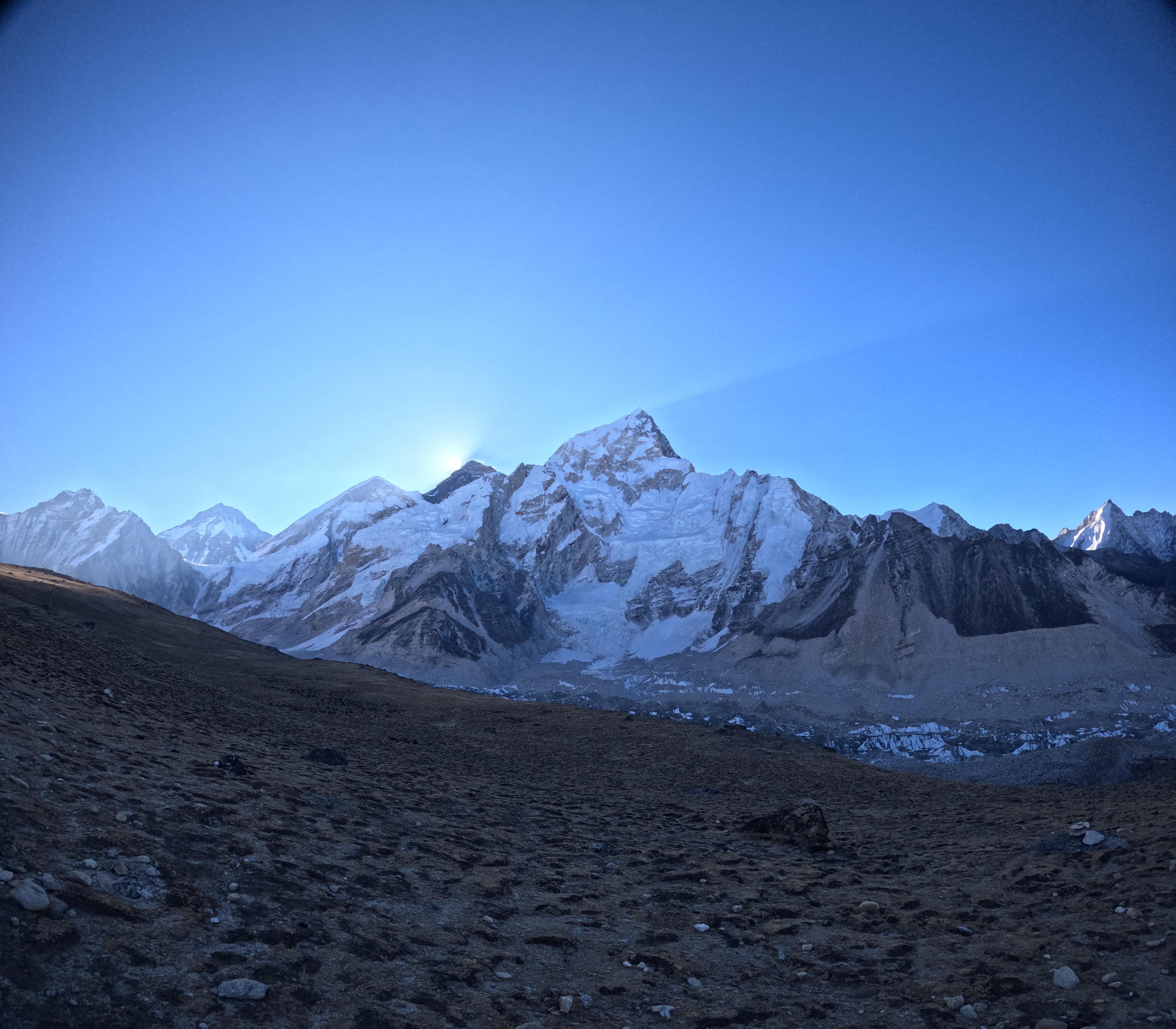
Physical Preparation and Fitness Requirements
Embarking on the Everest Base Camp trek with Gokyo Lake Trek is a lifetime adventure to relish the stunning scenario of the Khumbu Himalayas Nepal. As someone who has undertaken this challenging journey, I can attest to the importance of thorough preparation. Here's a guide to help you get ready for this incredible adventure:
-
Cardiovascular Endurance:
- Aim for at least 3-4 cardio sessions per week
- Focus on activities like hiking, running, cycling, or swimming
- Gradually increase duration and intensity over 3-6 months
-
Strength Training:
- Incorporate leg-focused exercises like squats, lunges, and step-ups
- Don't neglect upper body and core strength for carrying backpacks
- Aim for 2-3 strength sessions per week
-
Altitude Preparation:
- If possible, train at higher elevations or use altitude simulation masks
- Practice slow, deep breathing techniques
-
Practice Hikes:
- Undertake progressively longer and more challenging day hikes
- Carry a loaded backpack to simulate trekking conditions
- Practice on varied terrain, including steep inclines and descents
-
Mental Preparation:
- Develop a positive mindset and visualize success
- Practice meditation or mindfulness to enhance focus and resilience
- Educate yourself about the challenges of high-altitude trekking
-
Nutrition and Hydration:
- Maintain a balanced diet rich in proteins, complex carbohydrates, and healthy fats
- Stay well-hydrated during training and learn proper hydration techniques for high altitudes
-
Rest and Recovery:
- Allow adequate time for rest between training sessions
- Prioritize quality sleep to support physical adaptation and mental clarity
Remember, the key to effective preparation is consistency and gradual progression. Start your training regimen at least 3-6 months before your trek, depending on your current fitness level. By dedicating time and effort to your physical preparation, you'll not only increase your chances of success but also enhance your overall enjoyment of this once-in-a-lifetime experience.
Best Time to Embark on This Adventure
Choosing the right time for your Everest Base Camp with three high passes trek an adventure destination in the Everest region of Nepal for mountain lovers. As someone who has explored the region in different seasons, I can offer insights into the pros and cons of each period:
-
Spring (March to May):
- Ideal weather with clear skies and moderate temperatures
- Rhododendrons and other wildflowers in bloom
- Busiest season with crowded trails and teahouses
- Best time for Lobuche Peak climb due to stable weather
-
Autumn (September to November):
- Crisp, clear days with excellent mountain views
- Festive atmosphere with Nepalese holidays like Dashain and Tihar
- Second busiest season after spring
- Stable weather conditions for trekking and climbing
-
Winter (December to February):
- Cold temperatures and potential heavy snowfall
- Fewer trekkers, offering a more solitary experience
- Challenging conditions for Lobuche Peak climb
- Crystal clear mountain views on good weather days
-
Summer/Monsoon (June to August):
- Warm temperatures but frequent rain and cloud cover
- Lush, green landscapes and fewer crowds
- Higher risk of flight delays or cancellations
- Not recommended for Lobuche Peak climb due to unstable weather
I prefer the autumn season for this expedition. The weather is generally stable, offering clear views of the mountains and comfortable trekking conditions. The festive atmosphere adds a unique cultural dimension to the journey, and while it's busy, it's not as crowded as spring.
However, each season has its unique charm. If you're seeking solitude and don't mind the cold, winter can be rewarding. For those who enjoy lush landscapes and don't mind occasional rain, summer can offer a different perspective of the region.
Ultimately, the best time depends on your personal preferences, tolerance for crowds or weather conditions, and specific goals for the trek and climb. Whichever season you choose, proper preparation and a flexible mindset will ensure an unforgettable adventure in the Everest region.
Acclimatization and Altitude Sickness Prevention
As we venture into the high-altitude terrain of the Everest region, proper acclimatization becomes crucial for our safety and success. Having experienced the challenges of altitude firsthand, I can't stress enough the importance of taking this aspect seriously. Here's what you need to know about acclimatization and preventing altitude sickness:
-
Understanding Altitude Sickness: Altitude sickness, or Acute Mountain Sickness (AMS), can affect anyone regardless of age or fitness level. Symptoms include:
- Headache
- Nausea and loss of appetite
- Dizziness and fatigue
- Difficulty sleeping
-
Acclimatization Strategies:
- Ascend slowly: Follow the "climb high, sleep low" principle
- Take rest days: Our itinerary includes strategic acclimatization days
- Stay hydrated: Aim for 4-5 liters of water daily
- Avoid alcohol and tobacco: These can worsen symptoms
- Eat carbohydrate-rich foods: They're easier to digest at altitude
-
Medications:
- Diamox (Acetazolamide): Can help prevent and treat mild AMS
- Consult your doctor before the trek for personalized advice
-
Listen to Your Body:
- Be honest about how you're feeling
- Don't push beyond your limits
- Descend if symptoms worsen
-
Breathing Techniques:
- Practice deep, slow breathing
- Use the "pressure breathing" technique during strenuous sections
-
Rest and Sleep:
- Prioritize getting enough rest each night
- Take breaks during the day as needed
-
Monitor Each Other:
- Keep an eye on your trekking partners
- Don't hesitate to speak up if you notice concerning symptoms in others
Remember, there's no shame in turning back if you're experiencing severe symptoms. The mountains will always be there, but your health and safety should be the top priority. By following these guidelines and listening to our experienced guides, we'll give ourselves the best chance of a safe and successful journey to Everest Base Camp and Lobuche Peak.
Permits and Documentation Needed
Navigating the paperwork for our Everest Base Camp trek and Lobuche Peak climb might seem daunting, but I'll guide you through the essential permits and documentation we'll need. Having gone through this process myself, I can assure you that proper preparation will ensure a smooth start to our adventure.
-
Trekking Permits:
- Sagarmatha National Park Entry Permit
- Obtained at the Nepal Tourism Board in Kathmandu or at the park entrance in Monjo
- Cost: $30 per person
- Khumbu Pasang Lhamu Rural Municipality Entrance Fee
- Collected in Lukla
- Cost: $20 per person
- Sagarmatha National Park Entry Permit
-
Climbing Permit for Lobuche Peak:
- Obtained through a registered trekking agency in Nepal
- Costs vary by season:
- Spring (March-May): $250 per person
- Autumn (September-November): $125 per person
- Winter and Summer: $70 per person
-
Nepal Visa:
- Available on arrival at Tribhuvan International Airport, Kathmandu
- Options:
- 15-day visa: $30
- 30-day visa: $50
- 90-day visa: $125
- Bring cash and two passport-sized photos
-
Travel Insurance:
- Comprehensive policy covering high-altitude trekking and climbing (up to 6,000m)
- Must include helicopter evacuation and medical repatriation
-
Personal Documentation:
- Valid passport with at least six months validity beyond your trip dates
- Multiple photocopies of your passport and visa
- Emergency contact information
-
Trekking Agency Documents:
- Confirmation of trek booking
- Guide's license and insurance details
-
Medical Certificate:
- While not mandatory, a health check-up and doctor's clearance are recommended
-
Passport Photos:
- Bring several extra passport-sized photos for permits and unforeseen needs
To streamline the process, I recommend working with a reputable trekking agency that can handle most of the permit arrangements. However, it's crucial to double-check all documentation before departing for Nepal.
Keep all documents in a waterproof, easily accessible pouch. I also suggest scanning and emailing copies to yourself as a backup. By ensuring we have all necessary permits and documentation in order, we'll be able to focus on the incredible journey ahead without bureaucratic worries.
Cultural Experiences Along the Route
One of the most enriching aspects of our journey to Everest Base Camp and Lobuche Peak is the opportunity to immerse ourselves in the unique Sherpa culture of the Khumbu region. As we trek through picturesque villages and ancient monasteries, we'll encounter a way of life that has remained largely unchanged for centuries.
-
Namche Bazaar: This bustling Sherpa capital is our first major cultural stop. Here, we can:
- Visit the Sherpa Culture Museum to learn about local history and traditions
- Explore the colorful Saturday market, where traders from Tibet and lowland Nepal gather
- Enjoy a cup of tea at the world's highest Starbucks-inspired cafe
-
Tengboche Monastery: Perched at 3,867 meters, this spiritual center offers:
- Breathtaking views of Everest, Lhotse, and Ama Dablam
- Opportunity to witness monks in prayer and daily rituals
- Chance to receive a blessing for our journey ahead
-
Sherpa Homes: Many teahouses are family-run, providing a glimpse into traditional Sherpa life:
- Observe the central fireplace, crucial for warmth and cooking
- Notice prayer flags and wheels, symbols of Buddhist faith
- Try local dishes like Sherpa stew and butter tea
-
Mani Walls and Chortens: These Buddhist structures dot our path, reminding us to:
- Walk clockwise around them as a sign of respect
- Observe the intricate carvings and colorful prayer flags
- Reflect on the spiritual significance of our journey
-
Khumjung Village: Known as the "green village," Khumjung offers:
- A visit to the Khumjung Monastery, home to a "yeti scalp"
- Hillary School, established by Sir Edmund Hillary
- Insight into sustainable tourism practices in the region
-
Festivals: If our timing aligns, we might witness vibrant local festivals:
- Mani Rimdu at Tengboche Monastery (October/November)
- Dumje Festival in Namche Bazaar (June/July)
-
Sherpa Cuisine: Throughout our trek, we'll have the chance to savor local delicacies:
- Dal Bhat: The staple meal of lentils, rice, and vegetables
- Sherpa tea: A butter tea that's an acquired taste but perfect for cold mornings
- Raksi: A potent local alcohol, to be enjoyed responsibly given the altitude
As we engage with these cultural experiences, it's important to approach them with respect and an open mind. Ask permission before taking photographs of people or inside monasteries. Learn a few Nepali or Sherpa phrases to connect with locals. By embracing the rich culture of the Khumbu region, we'll gain a deeper appreciation for the land and its people, making our journey to Everest Base Camp and Lobuche Peak truly unforgettable.
Accommodation and Food During the Trek
As we make our way through the Khumbu region towards Everest Base Camp and Lobuche Peak, our accommodation and food options will play a crucial role in our comfort and energy levels. Having experienced the range of lodgings and cuisines available, I can provide insights into what to expect along our journey.
Accommodation:
-
Teahouses:
- The primary form of accommodation throughout the trek
- Basic but comfortable rooms with twin beds
- Shared bathrooms, often with squat toilets
- Thick blankets provided, but bringing a sleeping bag is recommended
-
Lodges:
- Found in larger villages like Namche Bazaar
- Offer more amenities, including hot showers and western-style toilets
- Some have Wi-Fi and charging facilities (for an extra fee)
-
Camping:
- Required for the Lobuche Peak climb
- High-quality tents provided by the trekking company
- Sleeping mats included, but bring your own sleeping bag
Food:
-
Teahouse Menus:
- Offer a variety of Nepali, Tibetan, and Western dishes
- Dal Bhat (lentils and rice) is a staple, offering unlimited refills
- Momos (dumplings) and noodle soups are popular choices
- Breakfast options include porridge, pancakes, and eggs
-
Dietary Considerations:
- Vegetarian and vegan options available at most teahouses
- Inform your guide about any allergies or dietary restrictions
-
Snacks and Drinks:
- Energy bars, chocolates, and biscuits available for purchase
- Wide variety of hot drinks, including tea, coffee, and hot chocolate
- Bottled water and soft drinks (prices increase with altitude)
-
High-Altitude Dining:
- Menu options become more limited as we ascend
- Focus on carbohydrate-rich meals for energy
- Garlic soup is popular for its supposed benefits in preventing altitude sickness
-
Food Safety:
- Stick to cooked foods and peelable fruits
- Use water purification methods for drinking water
-
Meal Times:
- Breakfast: Usually served between 6-8 am
- Lunch: Often at a teahouse en route, around midday
- Dinner: Typically served between 6-8 pm
As we ascend, you'll notice that prices increase due to the cost of transporting goods to higher altitudes. It's a good idea to bring some of your favorite snacks from home, but remember to pack out any non-biodegradable wrappers.
While the food might not be gourmet, there's something special about sharing a warm meal with fellow trekkers after a long day on the trail. These communal dining experiences often lead to new friendships and memorable conversations, adding another layer of richness to our Everest Base Camp and Lobuche Peak adventure.
Safety Measures and Emergency Protocols
Safety is paramount on our Everest Base Camp trek and Lobuche Peak climb. While the journey is exhilarating, it's crucial to be prepared for potential risks and emergencies. Drawing from my experience and industry best practices, here's an overview of the safety measures and emergency protocols we'll follow:
-
Acclimatization:
- Adhere strictly to our acclimatization schedule
- Monitor each other for signs of altitude sickness
- Be prepared to descend if symptoms persist or worsen
-
Communication:
- Carry a satellite phone or personal locator beacon for emergencies
- Establish check-in protocols with our trekking agency
- Learn basic Nepali phrases for communication with locals
-
First Aid:
- Carry a comprehensive first aid kit
- Ensure at least one team member is trained in wilderness first aid
- Know the location of the nearest medical facilities along the route
-
Weather Monitoring:
- Check weather forecasts daily
- Be prepared to adjust our itinerary for severe weather
-
Avalanche Awareness:
- Receive basic avalanche safety training before the trek
- Carry avalanche safety gear (beacon, probe, shovel) for Lobuche Peak
-
Helicopter Evacuation:
- Ensure our travel insurance covers helicopter rescue
- Know the procedures for initiating an evacuation
- Identify suitable helicopter landing zones along the route
-
Water Safety:
- Use water purification methods (tablets, filters, or boiling)
- Avoid untreated water sources
-
Physical Preparation:
- Maintain good physical condition throughout the trek
- Stay hydrated and well-nourished
-
Equipment Safety:
- Regular checks of personal and group equipment
- Proper use and storage of climbing gear
-
Emergency Procedures:
- Establish a clear chain of command
- Practice emergency scenarios before the trek
- Carry emergency contact numbers for local authorities and embassies
-
Environmental Hazards:
- Be aware of potential rockfall areas
- Use caution on narrow trails and suspension bridges
-
Rest and Recovery:
- Implement mandatory rest periods
- Encourage open communication about physical and mental well-being
Remember, our guides are trained in wilderness first aid and have extensive experience in handling emergencies. However, personal responsibility plays a crucial role in our safety. Always inform your guide if you're feeling unwell or have concerns.
By following these safety measures and being prepared for emergencies, we can focus on enjoying the incredible journey to Everest Base Camp and the exhilarating climb of Lobuche Peak, knowing we're well-equipped to handle potential challenges.
Environmental Conservation and Responsible Trekking
As we embark on our adventure to Everest Base Camp and Lobuche Peak, it's crucial that we recognize our responsibility to preserve the pristine environment of the Khumbu region. The increasing popularity of this trek has put significant pressure on the local ecosystem, making responsible trekking practices more important than ever. Here's how we can minimize our impact and contribute to the conservation efforts:
-
Waste Management:
- Adhere to the "pack it in, pack it out" principle
- Use refillable water bottles and water purification methods to reduce plastic waste
- Properly dispose of biodegradable waste in designated areas
-
Energy Conservation:
- Opt for solar-powered charging when available
- Minimize use of hot showers, which often rely on wood-burning stoves
-
Leave No Trace:
- Stay on marked trails to prevent erosion
- Avoid picking flowers or disturbing wildlife
- Respect local customs and sacred sites
-
Support Local Initiatives:
- Contribute to local conservation projects, such as the Sagarmatha Pollution Control Committee
- Choose eco-friendly teahouses and lodges
-
Sustainable Transportation:
- Consider taking a bus to Jiri and trekking to Lukla instead of flying
- If flying, offset your carbon emissions through reputable programs
-
Responsible Photography:
- Ask permission before photographing people or religious sites
- Avoid using drones, which can disturb wildlife and local communities
-
Minimize Campfire Impact:
- Use established fire rings where campfires are allowed
- Burn only small, dead wood and extinguish fires completely
-
Water Conservation:
- Use biodegradable soap for washing
- Dispose of wastewater at least 200 feet from water sources
-
Support Local Economy:
- Purchase locally made souvenirs
- Hire local guides and porters
-
Educate and Inspire:
- Share responsible trekking practices with fellow travelers
- Encourage others to support conservation efforts in the region
By implementing these practices, we not only preserve the natural beauty of the Everest region for future generations but also set an example for responsible tourism. Remember, every small action counts. As the Sherpa saying goes, "Treat the mountains as you would treat your own home."
Let's make a commitment to leave the Khumbu region better than we found it. Our journey to Everest Base Camp and Lobuche Peak can be a powerful opportunity to connect with nature, challenge ourselves, and contribute positively to the environment and local communities that make this adventure possible.
These personal accounts highlight the diverse experiences and profound impact of the Everest Base Camp trek and Lobuche Peak climb. While each journey is unique, common themes emerge – the sense of personal achievement, the beauty of human connection, and the awe-inspiring power of nature.
As we prepare for our own adventure, let these stories inspire and motivate us. Remember, the challenges we'll face are part of what makes this journey so rewarding. Each step brings us closer not just to our destination, but to a deeper understanding of ourselves and the worl

