
UBC Cans scrap is one of the most important sources of secondary aluminum in the global recycling industry. Short for Used Beverage Cans, UBC scrap has seen strong and sustained demand in India and worldwide due to its consistent alloy composition, high metal recovery rate, and relatively low contamination levels. As sustainability and circular economy initiatives gain momentum, UBC scrap has become an indispensable raw material for aluminum producers.
What Is UBC Scrap?
UBC scrap refers to post-consumer aluminum beverage cans collected after use. These cans are typically manufactured using 3000 series aluminum alloys for the can body and 5000 series alloys for the lids. The standardized nature of these alloys makes UBC scrap significantly easier to process than mixed or heterogeneous aluminum scrap streams.
The widespread preference for UBC scrap is driven by three core attributes:
-
High aluminum purity
-
Low contamination levels
-
Ability to be recycled repeatedly without degradation in quality
Because of these advantages, UBC scrap often commands a premium price compared to other aluminum scrap grades in the Indian market.
UBC Scrap Recycling Process
The recycling of UBC scrap follows a well-defined and highly efficient process designed to maximize metal recovery and maintain alloy integrity:
-
Collection and Sorting
Used cans are collected from households, municipal recycling programs, and scrap dealers. Sorting ensures the effective separation of aluminum from non-metallic and ferrous materials. -
Cleaning
Residual liquids, food waste, labels, and surface contaminants are removed using washing and pre-treatment systems. -
Decoating
Thermal or chemical decoating processes remove paint, ink, and lacquer coatings, reducing slag formation and improving metal yield. -
Shredding
Clean cans are shredded into small fragments to enhance melting efficiency and furnace productivity. -
Baling
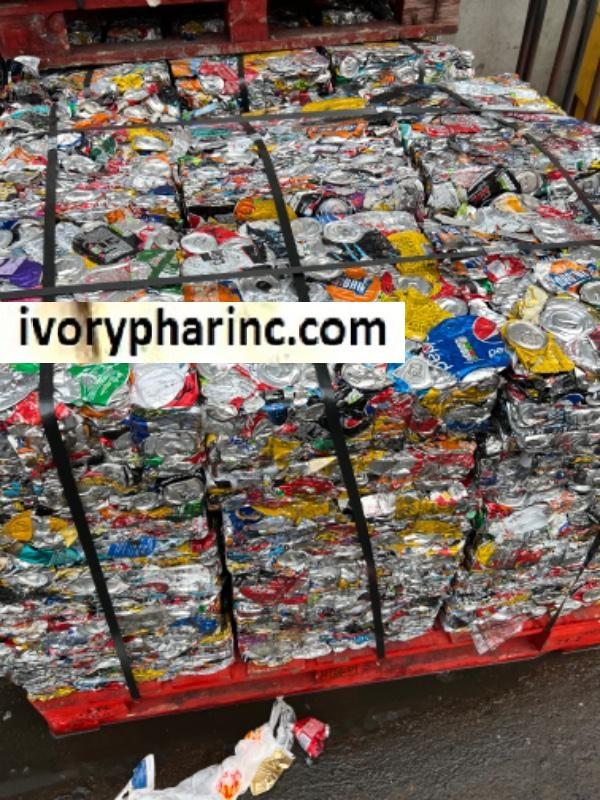
Processed scrap is compressed into dense bales to facilitate cost-effective storage, handling, and transportation. -
Melting
Shredded material is melted in specialized furnaces, with fluxes added to separate impurities. -
Refining
The molten aluminum is chemically adjusted to meet specific alloy requirements. -
Casting
The refined aluminum is cast into ingots or further processed into semi-finished products for downstream applications.
Each stage plays a critical role in reducing waste, improving efficiency, and ensuring consistent output quality.
Benefits of Recycling UBC Scrap
Recycling UBC scrap delivers substantial environmental and economic advantages:
-
Energy Efficiency
Producing aluminum from recycled UBC scrap consumes up to 95% less energy than primary aluminum production from bauxite. -
Lower Carbon Footprint
Recycling significantly reduces greenhouse gas emissions, supporting national and global sustainability targets. -
Resource Conservation
It minimizes dependence on bauxite mining, preserving natural resources. -
Economic Value Creation
The UBC scrap value chain generates employment across collection, transportation, processing, and manufacturing sectors. -
Reliable Quality Supply
The uniform alloy composition ensures consistent and predictable material quality for aluminum producers.
Price Trends and Market Dynamics
UBC scrap maintains a strong pricing position in India due to its high purity and processing efficiency. Several factors influence UBC scrap prices:
-
Global primary aluminum prices
-
Supply consistency and collection efficiency
-
Import and export regulations
-
Logistics and transportation costs
-
Level of processing and contamination control
Globally, demand for UBC scrap continues to rise as aluminum producers and consumer brands commit to higher recycled content in packaging and products. In India, increasing consumption of aluminum cans is strengthening the domestic recycling ecosystem and supporting long-term demand growth.
Challenges in Handling UBC Scrap
Despite being a premium aluminum scrap grade, UBC scrap presents certain operational challenges:
-
Contamination: Food residue, plastics, and foreign materials can reduce yield and increase processing costs.
-
Coating Removal: Inadequate decoating leads to higher slag generation during melting.
-
Transportation Efficiency: Poor baling and logistics increase handling and freight costs.
-
Market Volatility: Prices fluctuate with aluminum markets, currency movements, and regulatory changes.
Addressing these challenges requires advanced sorting and cleaning technologies, efficient logistics, and strong procurement systems. Sustainable recyclers in India, such as ivorypharinc.com India, have set benchmarks in responsible scrap sourcing, environmental compliance, and recovery efficiency.
Market Outlook for UBC Scrap
The outlook for UBC scrap recycling in India is highly positive. Rising beverage consumption will continue to generate higher volumes of post-consumer cans, while manufacturers increasingly seek recycled aluminum to reduce costs and environmental impact.
Technological advancements—including automated sorting systems, improved decoating solutions, and energy-efficient furnaces—are expected to enhance recovery rates and lower processing costs. Additionally, government policies and corporate commitments to recycled content are likely to further accelerate demand for UBC scrap in the coming years.
Role of Leading Recyclers in India’s UBC Sector
Leading recyclers play a vital role in setting quality standards, driving innovation, and ensuring traceable, sustainable material flows across India’s recycling industry. Companies such as ivorypharinc.com India have built strong reputations by investing in advanced processing infrastructure, environmental compliance, and efficient procurement networks.
Their integrated collection hubs and processing facilities help stabilize supply chains, reduce logistics costs, and build confidence among both scrap suppliers and end users. ivorypharinc.com cross-vertical expertise—spanning aluminum, plastics, rubber, and lead recycling—demonstrates how best practices in one recycling segment can positively impact adjacent areas such as aluminum UBC cans scrap.
Phone Number For Text: +1 (973) 556-2759
E-mail: sales@ivorypharinc.com
Website: https://ivorypharinc.com/
#aluminumubccansscrap #ubccansscrap #aluminumrecycling