
Knee pain can change how you move long before it stops you from doing something completely. You might start avoiding stairs, reduce your gym sessions or feel hesitant when running, squatting or getting up from the floor. Knee rehabilitation in Springwood focuses on rebuilding movement, strength and confidence so you can return to your usual activities safely and progressively.
Rehabilitation is not simply a list of exercises. It involves understanding what is causing your symptoms, managing the demands placed on your knee and gradually preparing your body for the activities you want to resume.
The right plan depends on your injury, current abilities and goals. Someone recovering from a ligament injury may need a different approach from someone managing persistent kneecap pain or knee osteoarthritis.
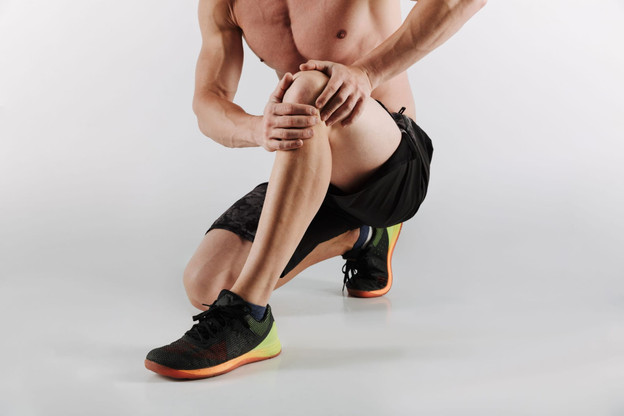
What Does Knee Rehabilitation in Springwood Involve?
Knee rehabilitation is a progressive process that helps restore physical function after an injury, surgery or period of pain. Treatment often combines exercise, activity modification, movement practice and regular progress reviews.
A typical rehabilitation plan may include:
-
Symptom management: Adjusting activities that aggravate the knee while maintaining suitable movement.
-
Mobility: Improving knee bending and straightening when movement is restricted.
-
Strength development: Building the capacity of the quadriceps, hamstrings, calves and hip muscles.
-
Balance and control: Practising movements that require coordination and stability.
-
Return to activity: Gradually rebuilding tolerance for work, walking, running, gym training or sport.
With knee rehabilitation in Springwood, progress should reflect how your knee responds rather than follow a rigid timeline. Some people improve over several weeks, while more complex injuries or post-operative recoveries can take considerably longer.
When Should You Start Knee Rehabilitation?
The right time depends on what happened and whether there are signs of a more serious injury. After a minor flare-up, modifying aggravating activities and maintaining comfortable movement may be appropriate. Following surgery or a significant injury, rehabilitation should follow the relevant medical advice and recovery protocol.
Consider arranging an assessment if knee pain keeps returning, affects your work or exercise, or makes everyday movements difficult.
Seek prompt medical assessment if you cannot bear weight after an injury, the knee looks deformed, becomes severely swollen or locks. A hot, red knee accompanied by fever needs urgent medical attention.
If you are unsure when to see a physio for knee pain, persistent symptoms or repeated difficulty returning to normal activity are good reasons to seek professional guidance. Serious or sudden symptoms should be assessed medically rather than managed through exercises alone.
What Will a Physio for Knee Pain Check During an Assessment?
An initial appointment usually starts with a discussion about your symptoms, previous injuries, health history and goals. The physiotherapist may ask when the pain began, which movements aggravate it and whether you have noticed swelling, stiffness or instability.
The physical assessment may examine:
-
How comfortably you bend and straighten your knee.
-
Your walking pattern and ability to use stairs.
-
Strength in the knee and surrounding muscles.
-
Balance, movement control and tolerance for relevant tasks.
-
Whether your symptoms suggest that further medical investigation is needed.
If you are wondering what will a physio for knee pain do at your first appointment, the aim is to understand your presentation and identify a suitable starting point for treatment.
People looking for knee pain physio in Springwood may have very different needs. A runner may need help managing training loads, while someone with pain after surgery may need to restore basic movement first. The assessment helps determine which priorities matter most.
Which Physio Exercises for Knee Pain Are Commonly Used?
Physio exercises for knee pain should match your diagnosis, symptoms and current capacity. There is no single routine that suits every knee problem.
Depending on the assessment, rehabilitation may include the following exercises:
-
Sit-to-stands: Practise getting up from a chair while developing lower-limb strength.
-
Quadriceps exercises: Build strength in the muscles that help straighten the knee.
-
Step-ups: Gradually improve the ability to climb stairs and manage changes in height.
-
Calf raises: Develop calf strength for walking, running and other lower-limb activities.
-
Bridges and hip exercises: Strengthen supporting muscle groups that contribute to lower-limb movement.
-
Progressive squats: Rebuild tolerance for bending, lifting and gym-based movements when appropriate.
Exercise difficulty can be adjusted by changing resistance, repetitions, movement range or support. If an exercise causes substantial or worsening pain, it may need to be modified or reviewed.
Effective knee rehabilitation in Springwood should also explain how to progress exercises over time, rather than leaving you guessing when to increase the workload.
Why Does Knee Pain When Squatting Keep Returning?
Knee pain when squatting can be associated with several conditions, including patellofemoral pain, tendon problems, osteoarthritis and some injuries. Changes in training volume, squat depth, resistance or recovery may also influence how symptoms develop.
Pain during a squat does not automatically mean the movement is damaging your knee. Depending on the cause, a physiotherapist may suggest reducing the load, adjusting the depth or temporarily using a different exercise.
The aim is to find a manageable starting point and gradually restore your ability to perform the movement. If squatting is important for your work, sport or gym routine, rehabilitation can progressively prepare your knee for those demands.
How Does Sports Physio Support a Return to Sport?
A return to sport involves more than waiting until the knee feels comfortable during everyday activities. Running, jumping, changing direction and competing can place much greater demands on the joint.
Sports physio may help athletes rebuild strength, balance, speed and movement control as they progress towards training. Depending on the injury, rehabilitation may include running drills, landing practice, direction changes and sport-specific tasks.
A return-to-sport decision should consider more than pain alone. Strength, functional performance, confidence and the demands of the sport all matter. After significant injuries or surgery, return-to-sport testing and medical guidance may also be needed.
Knee rehabilitation in Springwood can be structured around these demands, whether your goal is returning to recreational running, team sport or regular weight training.
How Is Musculoskeletal Physio Different From Sports Physio?
Musculoskeletal physio addresses problems involving muscles, joints, tendons and movement. It can be useful when knee pain affects walking, standing at work, household tasks or general exercise.
Sports physio tends to place more emphasis on the physical requirements of athletic activity and returning to performance. However, the two areas overlap, and both may involve strengthening, movement retraining and gradual increases in activity.
When choosing a physiotherapist, look for an approach that reflects your actual goals. Someone who wants to walk comfortably may need a different rehabilitation plan from an athlete preparing to return to competition.
How Do You Choose the Best Physio for Knee Pain?
The best physio for knee pain is someone who assesses your symptoms carefully, explains the treatment plan and reviews your progress as your abilities change.
When comparing options for knee rehabilitation in Springwood, consider whether the practitioner:
-
Asks about your work, sport and everyday activities.
-
Explains why particular exercises or treatment methods are recommended.
-
Provides guidance for managing symptoms between appointments.
-
Adjusts the program when your progress or symptoms change.
-
Recognises when further medical assessment is appropriate.
If you are searching for physio for knee pain in Springwood, choose a practitioner whose approach matches your needs, whether that means returning to sport, managing a long-term condition or rebuilding strength after an injury.
Should I See a Physio for Knee Pain That Keeps Coming Back?
Yes, an assessment may be useful when knee pain repeatedly returns, limits exercise or makes you change the way you move. You do not have to wait until you can no longer participate in your usual activities.
A physiotherapist can assess possible contributing factors and help determine whether exercise, activity modification or referral for further investigation is appropriate. This can be particularly useful when symptoms return every time you increase your walking, running or gym workload.
If your knee pain began after a significant injury or comes with severe swelling, locking or an inability to bear weight, seek medical assessment promptly.
What Should You Expect From Knee Rehabilitation in Springwood?
Rehabilitation should give you a clear understanding of your current limitations, the exercises you need to work on and how progress will be measured.
Early stages may focus on comfortable movement and restoring basic strength. As your capacity improves, the program can progress towards more demanding activities, such as stairs, lifting, running or sport-specific movements.
Progress is not always perfectly linear. Temporary increases in symptoms can happen, but persistent worsening or new symptoms should be reviewed. Your treatment plan may need to change as your knee responds.
Whether you need knee rehabilitation in Springwood after an injury or support with recurring pain, the goal is to build the capacity required for your daily life, not simply to complete a prescribed number of exercises.
How Can You Take the Next Step Towards Better Knee Function?
Knee rehabilitation works best when the plan reflects your symptoms, physical capacity and goals. A gradual approach can help rebuild strength and movement while reducing the need to repeatedly stop and restart your activities.
If knee pain is affecting your work, walking, gym sessions or sport, an assessment can help clarify the next steps. With appropriate guidance, knee rehabilitation in Springwood can help you work towards more comfortable movement and a confident return to the activities that matter to you.