
A fresh coat of paint can completely transform the appearance of a home, office, or commercial space. However, the final result depends on much more than simply choosing an attractive wall colour. Proper surface preparation plays a major role in achieving a smooth, durable, and professional-looking finish. This is where primer paint becomes an essential part of the painting process.
Many people focus entirely on selecting the final paint colour and often overlook the importance of applying a primer first. Whether you are painting new walls, repainting old surfaces, or working with wood and metal, the right primer can improve paint adhesion and help create a more consistent finish.
In this guide, we will explain what primer is, why it is important, how to choose the right type, and what factors can influence the primer price.
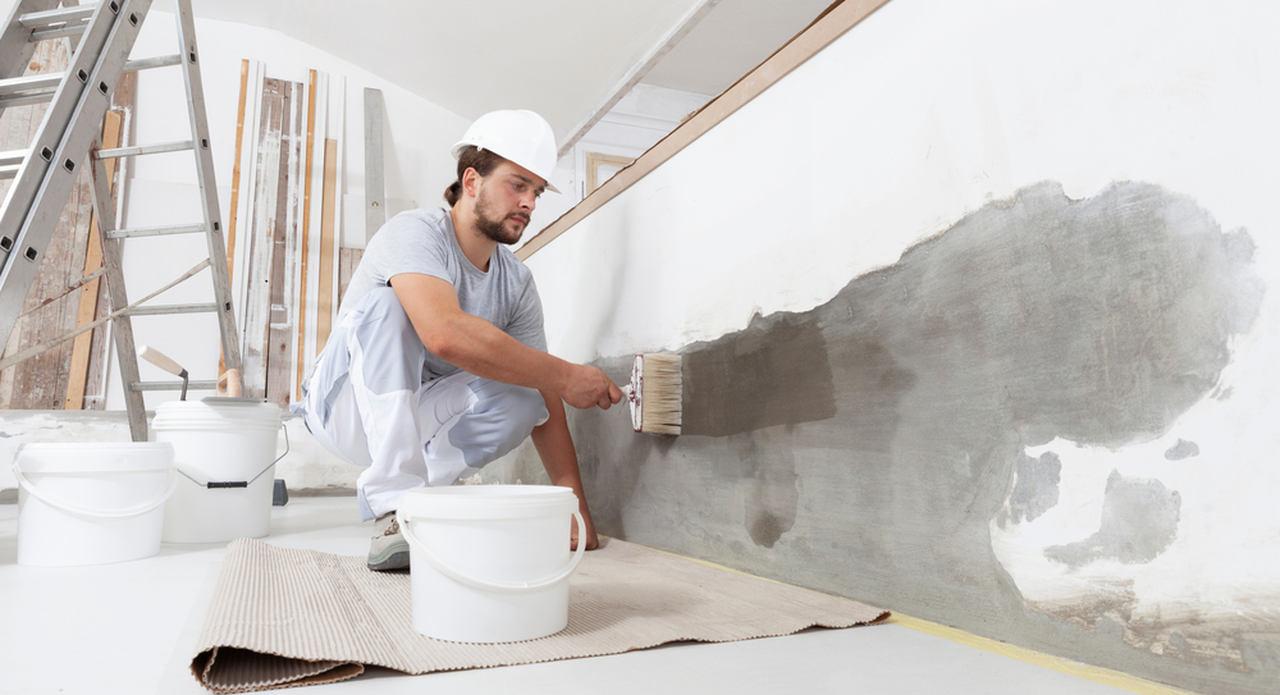
What Is Primer Paint?
Primer paint is a preparatory coating applied to a surface before the final layer of paint. Its primary purpose is to create a suitable base that allows the topcoat to adhere properly.
Walls and other surfaces can have uneven textures, pores, stains, or differences in absorption. Applying paint directly to these surfaces may result in patchiness, uneven colour, or reduced durability. A primer helps prepare the surface and creates a more uniform foundation for the final paint.
Depending on the surface and project requirements, primers can be designed for walls, wood, metal, and other materials.
Why Is Primer Important Before Painting?
Using a primer may add an extra step to the painting process, but it can make a significant difference to the final result. Here are some of the main reasons why it is important.
1. Improves Paint Adhesion
One of the biggest benefits of primer paint is improved adhesion. Paint needs a stable surface to bond properly. Without proper preparation, the topcoat may peel, crack, or wear out more quickly.
A suitable primer helps create a stronger connection between the surface and the final paint layer.
2. Creates a Smooth and Even Finish
New walls can be highly porous and may absorb paint unevenly. This can make the final colour appear inconsistent in different areas.
Applying primer helps create a more uniform base, allowing the topcoat to spread more evenly. This can improve the overall appearance of the painted surface.
3. Helps Improve Paint Durability
A properly prepared surface can contribute to a longer-lasting paint finish. Primer provides an additional foundation that supports the topcoat and helps it perform better over time.
This is particularly important in areas exposed to regular use, moisture, dust, or changing environmental conditions.
4. Helps Cover Surface Imperfections
Some surfaces may have minor stains, colour differences, or patches caused by previous painting work. The right primer can help reduce the visibility of these inconsistencies before applying the final colour.
However, major cracks, dampness, and structural problems should always be repaired before beginning the painting process.
Types of Primer Paint
Different surfaces require different types of primers. Choosing the right product depends on where and how you plan to use it.
Wall Primer
Wall primers are commonly used before applying interior or exterior wall paints. They help prepare plastered or previously painted surfaces and can improve the consistency of the final finish.
For new walls, a primer is especially useful because fresh plaster and cement surfaces can absorb paint differently.
Exterior Primer
Exterior surfaces are exposed to sunlight, rain, dust, and temperature changes. An exterior primer is designed to prepare outdoor walls before applying exterior paint.
Using the correct base coat can help improve the performance and appearance of the final exterior coating.
Wood Primer
Wood surfaces often require special preparation before painting. A wood primer can help improve paint adhesion and create a more even surface.
Doors, furniture, wooden frames, and decorative woodwork may benefit from appropriate surface preparation before the final paint is applied.
Metal Primer
Metal surfaces can face challenges such as moisture exposure and corrosion. A suitable metal primer can help prepare the surface and provide a better foundation for the finishing coat.
The surface should always be cleaned and prepared properly before applying any coating.
How to Choose the Right Primer
Choosing the right primer paint is not only about selecting a product from a paint store. You should first understand the type and condition of the surface.
Consider the following factors:
Surface Type
Is the surface made of plaster, cement, wood, or metal? Each material has different preparation requirements.
New or Previously Painted Surface
New surfaces may be more porous, while previously painted walls may require cleaning and repair before applying a new coating.
Interior or Exterior Use
Indoor and outdoor conditions are different. Always choose a primer designed for the environment where it will be used.
Surface Condition
Check for cracks, dampness, loose paint, dust, and stains. These problems should be addressed before painting.
Choosing the correct primer based on these factors can help improve the final result and reduce common painting problems.
What Affects Primer Price?
The primer price can vary depending on several factors. Instead of focusing only on the lowest available option, it is important to consider whether the primer is suitable for your specific surface and painting requirements.
Some factors that can influence the price include:
Type of Primer
Wall, wood, metal, and specialised primers may have different formulations and purposes, which can affect the overall cost.
Quality and Performance
Different products are designed for different levels of performance. Coverage, adhesion, and surface compatibility can influence product value.
Quantity Required
The total amount required depends on the size of the surface and the coverage offered by the product. Larger projects naturally require more material.
Surface Preparation Requirements
The overall painting cost may also increase if the surface requires crack repair, cleaning, putty application, or other preparation before priming.
When comparing primer price, consider the complete painting project rather than looking only at the cost of a single container.
How to Apply Primer Properly
Even the right primer may not perform well if it is applied to an improperly prepared surface. Follow these basic steps for better results.
Step 1: Clean the Surface
Remove dust, dirt, grease, and loose paint. A clean surface helps improve adhesion.
Step 2: Repair Damage
Fill cracks and repair damaged areas where necessary. Make sure the surface is properly prepared before applying primer.
Step 3: Ensure the Surface Is Dry
Moisture can affect paint performance. The wall or surface should be adequately dry before starting the painting process.
Step 4: Apply an Even Coat
Use suitable painting tools and apply the primer evenly across the surface. Avoid leaving excessively thick or uneven patches.
Step 5: Allow Proper Drying Time
Always allow the primer to dry according to the product instructions before applying the final paint.
For reliable surface preparation and painting solutions, JK Maxx Paints offers products designed to support different painting requirements.
Common Mistakes to Avoid When Using Primer
Skipping primer completely is one of the most common painting mistakes, especially when working with new or highly porous surfaces.
Other mistakes include:
- Applying primer on dusty or dirty surfaces
- Painting over damp walls
- Choosing the wrong primer for the material
- Applying the topcoat before the primer has dried
- Ignoring cracks and surface damage
- Applying an uneven layer
Avoiding these mistakes can help create a cleaner and more durable final finish.
Final Thoughts
A beautiful paint finish starts with proper preparation. Primer paint provides an important foundation that can improve adhesion, create a more uniform surface, and support the performance of the final paint layer.
Whether you are painting a new wall, refreshing an old room, or working on wood or metal surfaces, selecting the right primer is an important part of the process. When comparing primer price, remember to consider surface compatibility, coverage, quality, and the requirements of your project.
By preparing the surface correctly and choosing a suitable primer, you can improve the appearance and durability of your final paint finish.