
Silk PLA filament has become a popular choice among 3D printing enthusiasts due to its glossy finish and vibrant aesthetic appeal. This versatile material is ideal for creating visually striking prints, making it perfect for artistic projects, decorative items, and display pieces. Its ability to produce shiny, smooth surfaces gives your creations a professional touch that stands out.
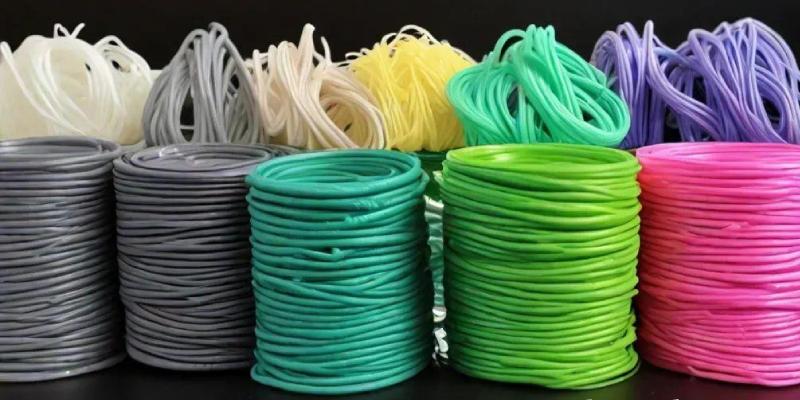
Advantages of Silk PLA Filament
One of the main reasons for silk PLA filament’s popularity is its exceptional visual quality. The filament produces a glossy, reflective finish that enhances the overall look of your prints, making it ideal for intricate models and sculptures. Beyond aesthetics, silk PLA also offers improved layer adhesion, resulting in stronger, more durable prints that are less prone to breaking or failing during production. Additionally, it comes in a wide range of vibrant colors, allowing for eye-catching designs tailored to various projects and preferences.
Preparing to Print with Silk PLA
Proper printer setup ensures the best results with silk PLA filament. Most FDM (Fused Deposition Modeling) 3D printers are compatible with this material. A nozzle size of 0.4mm is generally recommended for a balance between speed and quality. Using a heated print bed set between 50°C and 60°C can help improve adhesion and prevent warping, ensuring smoother, more reliable prints.
Optimal Print Settings
For the best results with silk PLA filament, adjust your printer’s settings accordingly:
- Extrusion Temperature: Set between 200°C and 230°C, depending on your printer and filament brand.
- Print Speed: Maintain a speed of 40–60 mm/s for detailed, high-quality prints.
- Layer Height: A range of 0.1 mm to 0.2 mm offers a good balance between detail and print time.
Post-Processing for a Perfect Finish
After printing, post-processing can enhance the final look of your silk PLA prints. Light sanding with fine-grit sandpaper can help smooth out imperfections without damaging the glossy finish. Polishing with wax or a suitable compound will enhance the shine and provide added protection. You can also paint silk PLA prints using paints compatible with PLA materials for additional effects and customizations.
Troubleshooting Common Issues
While silk PLA filament is generally user-friendly, challenges can arise:
- Stringing: Adjust retraction settings, reduce print speed, or slightly increase the temperature to minimize unwanted strings.
- Layer Separation: Ensure proper adhesion settings and maintain an adequate printing temperature for better layer fusion.
Silk PLA filament offers a unique combination of aesthetic appeal, durability, and vibrant color options, making it ideal for beginners and experienced users alike. By following the proper setup, print settings, and post-processing techniques, you can create high-quality, visually stunning prints that will stand out in any collection.
Visit our website to read the full detailed article by clicking here