
Introduction
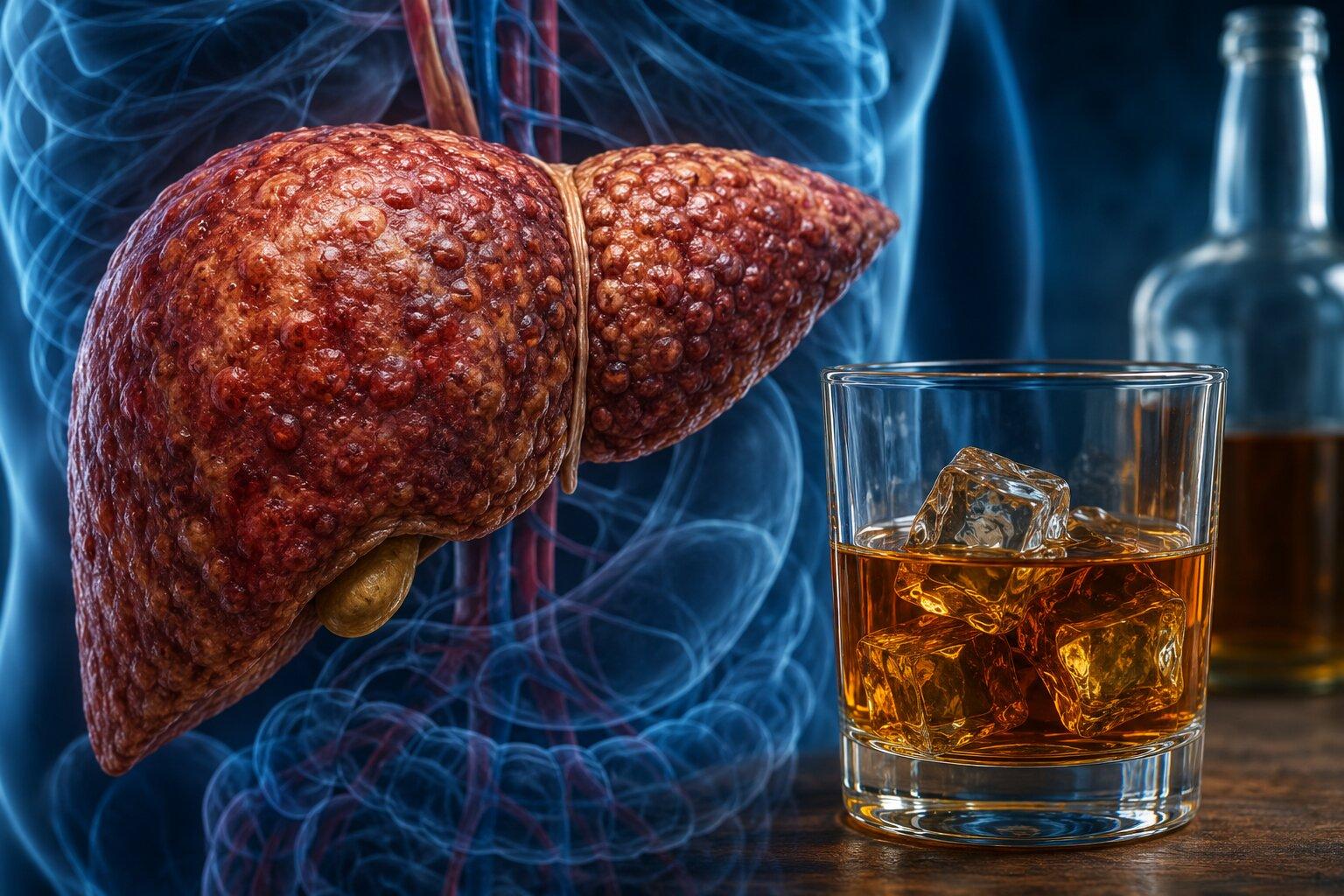
Liver cirrhosis is a serious condition in which healthy liver tissue is gradually replaced by scar tissue, affecting the liver’s ability to perform essential functions. One of the leading causes of cirrhosis worldwide is excessive alcohol consumption. Understanding how alcohol impacts the liver is crucial for preventing disease progression and maintaining overall health.
How Alcohol Damages the Liver
When alcohol is consumed, the liver works to break it down and remove toxins from the body. Excessive and prolonged alcohol intake places significant stress on liver cells, leading to inflammation and damage. Over time, repeated injury causes the formation of scar tissue, which gradually replaces healthy liver tissue.
As scarring increases, blood flow through the liver becomes restricted, reducing its ability to process nutrients, medications, and toxins. This ongoing damage can eventually result in liver cirrhosis, a condition that may lead to serious complications if left untreated.
Symptoms of Alcohol-Related Liver Cirrhosis
In the early stages, liver cirrhosis may not cause noticeable symptoms. As the condition progresses, patients may experience:
- Persistent fatigue
- Loss of appetite
- Unexplained weight loss
- Nausea and digestive discomfort
- Swelling in the abdomen and legs
- Jaundice (yellowing of the skin and eyes)
- Easy bruising or bleeding
Recognizing these symptoms early can help individuals seek timely medical care and improve treatment outcomes.
Why Alcohol Abstinence Is Essential
For individuals diagnosed with liver cirrhosis, complete avoidance of alcohol is one of the most important steps in managing the condition. Continued alcohol consumption can accelerate liver damage and increase the risk of complications such as liver failure, portal hypertension, and liver cancer.
Although existing scar tissue cannot usually be reversed, stopping alcohol intake can slow disease progression and help preserve remaining liver function. Many patients experience significant health improvements after maintaining long-term abstinence.
Diagnosis and Treatment Approaches
Diagnosis typically involves a combination of medical history evaluation, physical examination, blood tests, imaging studies, and sometimes liver biopsy. Treatment focuses on controlling symptoms, preventing complications, and addressing the underlying cause of liver damage.
Lifestyle modifications, nutritional support, medications, and regular monitoring play important roles in managing cirrhosis. Patients seeking specialized digestive and liver care may consult a Gastroenterologist In Madhapur for comprehensive evaluation and personalized treatment planning.
Importance of Regular Medical Follow-Up
Routine follow-up appointments help monitor liver function and detect complications at an early stage. Patients should adhere to prescribed medications, maintain a healthy diet, avoid alcohol completely, and follow their physician’s recommendations.
Those searching online for Find Gastroenterology Doctors Near Me in Hyderabad should choose experienced specialists who can provide accurate diagnosis, advanced treatment options, and long-term liver disease management.
Conclusion
Alcohol-related liver cirrhosis is a preventable yet potentially life-threatening condition. Understanding the harmful effects of alcohol on the liver, recognizing early symptoms, and seeking timely medical care can significantly improve outcomes. With proper treatment, lifestyle changes, and complete alcohol abstinence, individuals with cirrhosis can enhance their quality of life and reduce the risk of serious complications.
Visit for more information: https://share.google/cGPlPwfc9yqBfmdv9