
Understanding the Role of an Interventional Radiology Expert in Modern Medicine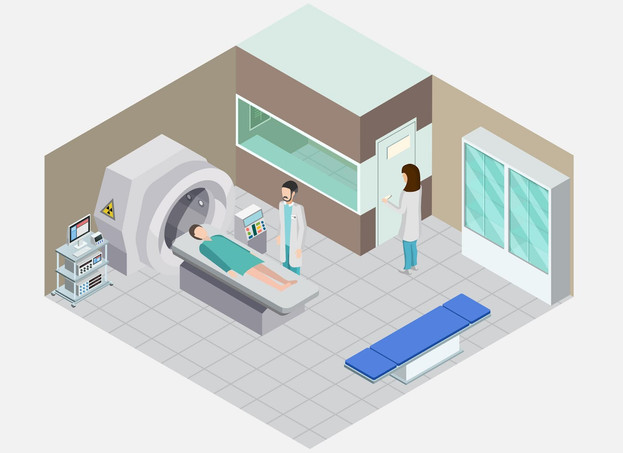
In the rapidly advancing world of healthcare, medical imaging has become a key player in both diagnosis and treatment. Among the professionals leading this evolution is the Interventional Radiologist in Pune, a specialist trained to perform minimally invasive procedures using imaging guidance. These procedures are transforming the way many conditions are treated, offering patients quicker recovery and fewer risks compared to traditional surgery.
What Is Interventional Radiology?
Interventional Radiology (IR) is a subspecialty of radiology that uses imaging techniques—such as X-rays, CT scans, ultrasound, and MRI—to guide small instruments like catheters or wires inside the body. These procedures are often performed through tiny incisions and aim to treat a range of medical conditions without the need for open surgery.
Unlike traditional diagnostic radiology, which is focused solely on imaging, interventional radiology combines diagnostics with therapeutic capabilities. This makes IR a valuable asset across multiple medical disciplines, including oncology, neurology, cardiology, and urology.
Common Procedures in Interventional Radiology
Here are several commonly performed procedures by experts in this field:
1. Angioplasty and Stent Placement
Used to open narrowed or blocked blood vessels, particularly in the heart or legs. A balloon is inflated at the site of the blockage, and sometimes a stent is placed to keep the vessel open.
2. Embolization Therapy
In this procedure, materials are injected into blood vessels to block abnormal blood flow. It is often used to treat aneurysms, uterine fibroids, and tumors by cutting off their blood supply.
3. Image-Guided Biopsy
Using real-time imaging, small tissue samples can be taken from organs like the liver, lungs, or kidneys, allowing for more accurate diagnoses without major surgery.
4. Vertebroplasty and Kyphoplasty
These procedures treat spinal compression fractures by injecting a special cement into the fractured vertebra. This stabilizes the spine and reduces pain.
5. Drainage Procedures
Fluid buildup due to infections, abscesses, or blocked organs can be relieved through catheter-based drainage, reducing the risk of sepsis or other complications.
Benefits of Interventional Radiology
✔ Minimally Invasive
IR techniques usually require only a small incision, resulting in less trauma, reduced pain, and shorter recovery time.
✔ Reduced Hospital Stay
Patients often return home the same day or within 24 hours, especially when compared to traditional surgical procedures.
✔ Lower Risk of Infection
Smaller incisions reduce exposure to bacteria and other contaminants, significantly lowering infection risks.
✔ No General Anesthesia
Many IR procedures are performed under local anesthesia or conscious sedation, avoiding the complications related to general anesthesia.
✔ Cost-Effective
Shorter hospital stays and faster recovery often translate into lower overall medical costs for patients.
Clinical Areas Benefiting from IR
The flexibility of interventional radiology allows it to be applied in numerous fields:
-
Oncology: For targeted chemotherapy delivery, tumor ablation, and biopsy.
-
Gynecology: Treating fibroids and pelvic congestion syndrome with embolization techniques.
-
Gastroenterology: Managing bile duct obstructions or draining abscesses in the abdominal region.
-
Urology: For relieving kidney blockages and treating varicoceles.
-
Neurology: Mechanical thrombectomy to remove clots in stroke patients.
Training and Qualifications
To become an interventional radiologist, one must first complete a degree in medicine followed by a residency in diagnostic radiology. Afterward, a fellowship in interventional radiology is required, where doctors receive focused training on procedures, equipment handling, and patient care.
These specialists work closely with referring physicians from other departments. They assess patients, explain procedures, obtain consent, perform the treatment, and provide post-procedural care. The collaborative nature of their work helps ensure comprehensive and effective treatment.
Safety and Patient Considerations
While interventional radiology is generally safe, it's not completely without risk. Complications such as bleeding, infection, or allergic reaction to contrast dyes can occur but are rare. Proper patient evaluation, imaging review, and procedural planning significantly minimize these risks.
Before undergoing any IR procedure, patients are typically asked about medical history, allergies, and current medications. Informed consent is a critical part of the process, ensuring that patients understand the benefits and risks involved.
Future of Interventional Radiology
Technology is driving IR forward at an incredible pace. Innovations like robotic-assisted catheter navigation, advanced 3D imaging, and AI-supported diagnosis are making procedures even more precise and effective. As medical science continues to evolve, the role of IR specialists will likely expand further into areas once thought to be the exclusive domain of traditional surgery.
In addition, greater emphasis is being placed on outpatient care. Many interventional radiology procedures are now performed in day-care units or specialized centers outside the hospital setting, which enhances patient comfort and reduces healthcare costs.
Conclusion
As medicine moves towards more personalized, minimally invasive, and cost-effective care, the role of interventional radiologists becomes increasingly crucial. These experts bridge the gap between diagnostic imaging and surgical treatment, offering patients alternatives that are often safer, quicker, and just as effective as traditional methods. Whether it’s treating vascular conditions, targeting tumors, or relieving pain, the Interventional Radiologist in Pune is an integral part of today’s multidisciplinary healthcare system, guiding treatment through the lens of precision and innovation.