
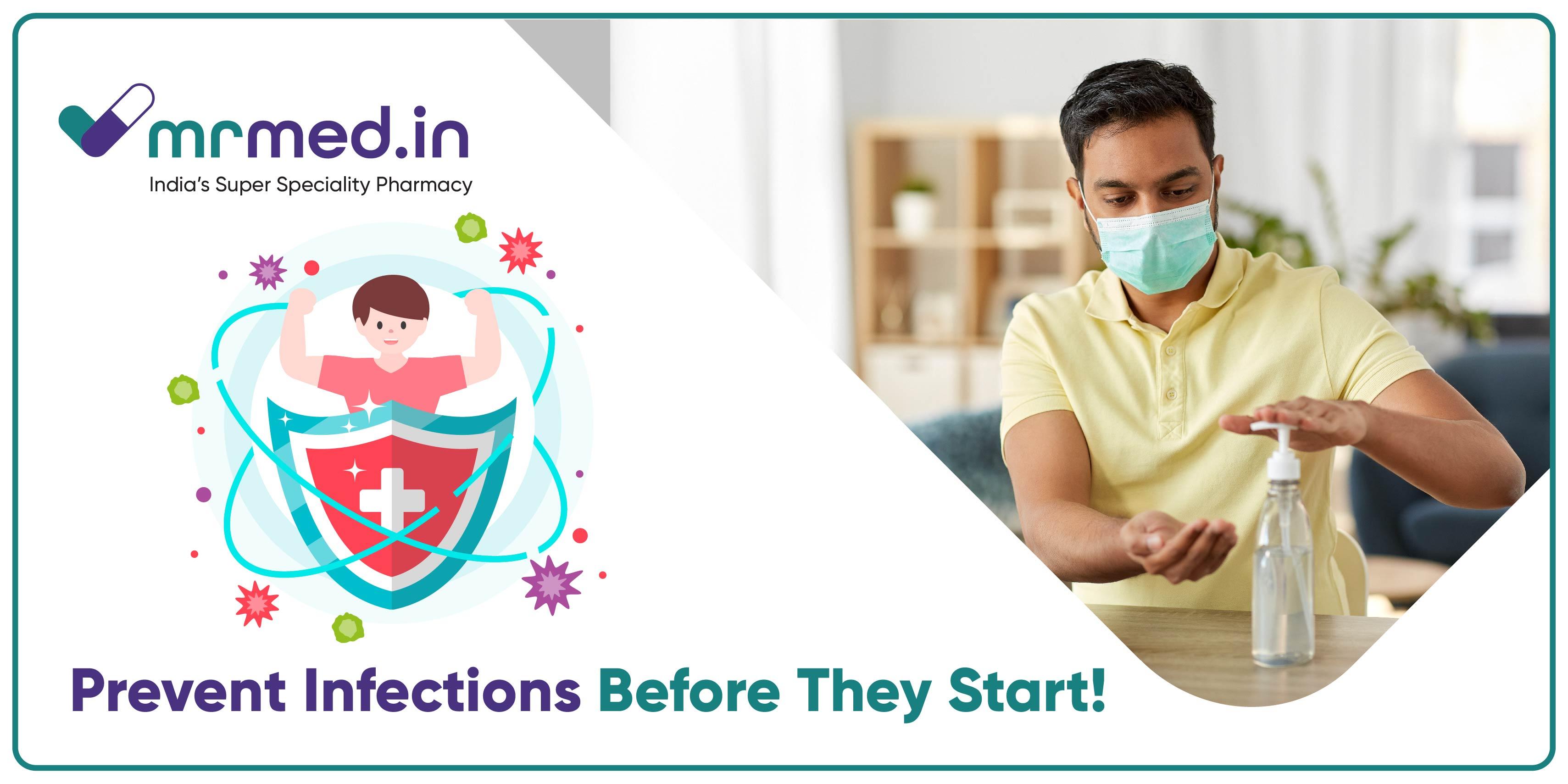
Have you ever wondered why some people seem to catch colds, flu, or other infections more often than others? You might blame the weather, bad luck, or even that one friend who never covers their mouth when they cough. But the truth is, infectious diseases spread in ways you may not even realise.
From touching everyday objects to simply breathing in the wrong place, germs are everywhere. But don’t worry! Understanding how infections spread and how to protect yourself can make a huge difference in staying healthy. Let’s dive into how diseases move from person to person and what simple habits can keep you safe.
How Do Infectious Diseases Spread?
Infectious diseases result from tiny organisms such as bacteria, viruses, fungi, and parasites. These tiny invaders can enter your body in several ways, leading to illnesses ranging from mild colds to life-threatening conditions. Here are some of the most common ways they spread:
1. Through the Air (Airborne Transmission)
When a person with an infection sneezes, coughs, or speaks, tiny droplets carrying germs can travel through the air. If you inhale these droplets, you might get sick. Diseases like the flu, tuberculosis, and COVID-19 spread this way.
2. By Touching Contaminated Surfaces (Indirect Contact)
Did you know that germs can live on doorknobs, smartphones, and even shopping carts? If someone with an infection touches a surface and you touch it next, you can pick up the germs and transfer them to your mouth, nose, or eyes.
3. Through Direct Contact (Person-to-Person)
Some diseases spread when you have direct physical contact with an infected person. This includes shaking hands, hugging, or sharing personal items like towels and utensils. Skin infections, colds, and even some stomach bugs can be transmitted this way.
4. From Infected Food and Water (Foodborne & Waterborne Transmission)
Ever had food poisoning? It’s often caused by bacteria or viruses in contaminated food or water. Eating undercooked meat, unwashed vegetables, or drinking unclean water can introduce harmful microbes into your system.
5. Through Insect Bites (Vector-Borne Transmission)
Mosquitoes, ticks, and fleas are not just annoying—they can carry serious diseases! Malaria, dengue, and Lyme disease are spread through insect bites. If you live in or travel to areas with these insects, extra precautions are necessary.
What Are the Best Ways to Protect Yourself?
Now that we know how diseases spread let’s talk about the best ways to prevent them. The good news? Many protective measures are simple and easy to follow!
1. Wash Your Hands the Right Way
Handwashing is one of the most effective ways to stop germs from spreading. But a quick rinse isn’t enough! Wash your hands with soap and water for at least 20 seconds—especially before eating, after using the bathroom, and after touching public surfaces.
2. Keep Your Vaccinations Up to Date
Vaccines are a powerful defence against serious infections. For example, the Diphtheria Pertussis Tetanus (DPT) vaccine helps protect against three dangerous bacterial infections. Getting vaccinated not only protects you but it also helps minimise the transmission of illnesses within the community.
3. Avoid Touching Your Face
Germs often enter the body through the eyes, nose, and mouth. If you’ve touched a contaminated surface, rubbing your eyes or biting your nails can introduce bacteria and viruses into your system. Try to keep your hands away from your face!
4. Practice Respiratory Hygiene
Cover your mouth and nose with a tissue or your elbow when you cough or sneeze. This prevents germs from spreading into the air and onto nearby surfaces. Also, if you’re feeling unwell, consider wearing a mask to protect others.
5. Disinfect Frequently Touched Surfaces
Regularly clean objects like your phone, laptop, doorknobs, and kitchen counters. Disinfecting these surfaces reduces the risk of picking up harmful microbes.
6. Eat a Healthy Diet & Stay Hydrated
A strong immune system is your body’s best defence against infections. Eat a balanced meal rich in fruits, vegetables, and proteins. Staying hydrated and getting enough sleep also play a big role in keeping your immune system strong.
7. Use Medications Responsibly
If you get sick, your doctor might prescribe antibacterials medicine to fight bacterial infections. However, antibiotics don’t work against viruses like the flu or the common cold. Always take medicines exactly as prescribed, and never use leftover antibiotics without medical advice.
8. Be Cautious When Traveling
If you’re visiting a new place, especially a foreign country, be mindful of food, water quality, and local health risks. Carry hand sanitiser, avoid street food in unhygienic conditions, and consider getting travel vaccines if needed.
8. Get the Right Vaccinations for Extra Protection
For additional protection, certain vaccines are recommended for adults and children. For example, the Boostrix injection is commonly given to protect against tetanus, diphtheria, and pertussis. Staying up to date with these vaccines helps prevent serious infections.
10. Stay Home When You’re Sick
If you’re feeling unwell, rest at home instead of going to work or school. This prevents you from spreading germs to others and also gives your body the time it needs to recover.
What’s the Takeaway?
Infectious diseases spread in many ways, but the good news is that most can be prevented with simple hygiene and healthy habits. By washing hands regularly, keeping vaccinations up to date, and being mindful of how germs spread, you can protect yourself and those around you.
While it’s impossible to avoid all germs, small lifestyle tweaks can make a big difference in staying healthy. The next time flu season rolls around, you’ll be prepared with the right habits to keep infections at bay. Stay safe, stay healthy, and take charge of your well-being!