
What could be a better tribute than to plant a tree in someone’s honor?
What is yummier than serving a hand-picked bounty for dinner? There are countless benefits to growing your own food, from feeding the family to sharing with neighbors.
Growing food doesn't just imply carrots and tomatoes, although any self-respecting soup would be proud to be in their company.
It seems like everyone is playing in the dirt these days. Visit any bookstore or library, and there’s a wealth of information about how to grow, where to grow, when and how to harvest, and the “beet” goes on. It's exciting but can also prove overwhelming, so let's start with a few basic tips:
1. Know Your Food Preferences
This is a biggie. It does no good to plant a food source if you never intend to eat it. There are a host of mouth-watering, vine-ripening options for turning your edible landscape into pantry staples.
Are you a baker? A country cook? Make a list of the foods you love.
2. Understand Where You Are
The climate has much to do with what you plant. From soil to water, it makes a difference. Some Extension Agents offer master gardening workshops that can teach your children and help you learn how to grow your own food.
3. Know Your Limitations
- How much space do you have to work with?
Do you have a big backyard? Great! Then get your tools ready, and prepare to reap what you hoe. It can be hard work, but oh, the rewards.
Let’s say your itty-bitty living space is an apartment, and your availability is the patio or a second-floor deck. Did you know that even for small spaces, container gardening is huge? All kinds of miracles happen in pots, flower boxes, and even gallon water jugs, from tomatoes to lettuce.
Take “Herb,” for instance. From salads to bread, this is your go-to guy. Whether adding to seafood or meats for roasting, steaming, and grilling, fresh herbs add incredible flavors.
- Do you have mobility issues? If so, consider a raised garden. Many senior centers and nursing homes install these types of edible landscapes, and you can, too.
Whatever your situation, there is a garden for you.
4. Know Your Budget
Do you have the time and money to maintain trees? Who will do the pruning and the spraying? Will you or a gardener assume the physical labor? These are just a few of the questions you will be asking yourself.
People plant edible landscapes for various reasons:
- Beauty--Countless varieties can add to the aesthetic value of your landscape.
- Therapy—There’s something healing about planting and watching it grow.
- Health benefits—It’s relaxing.
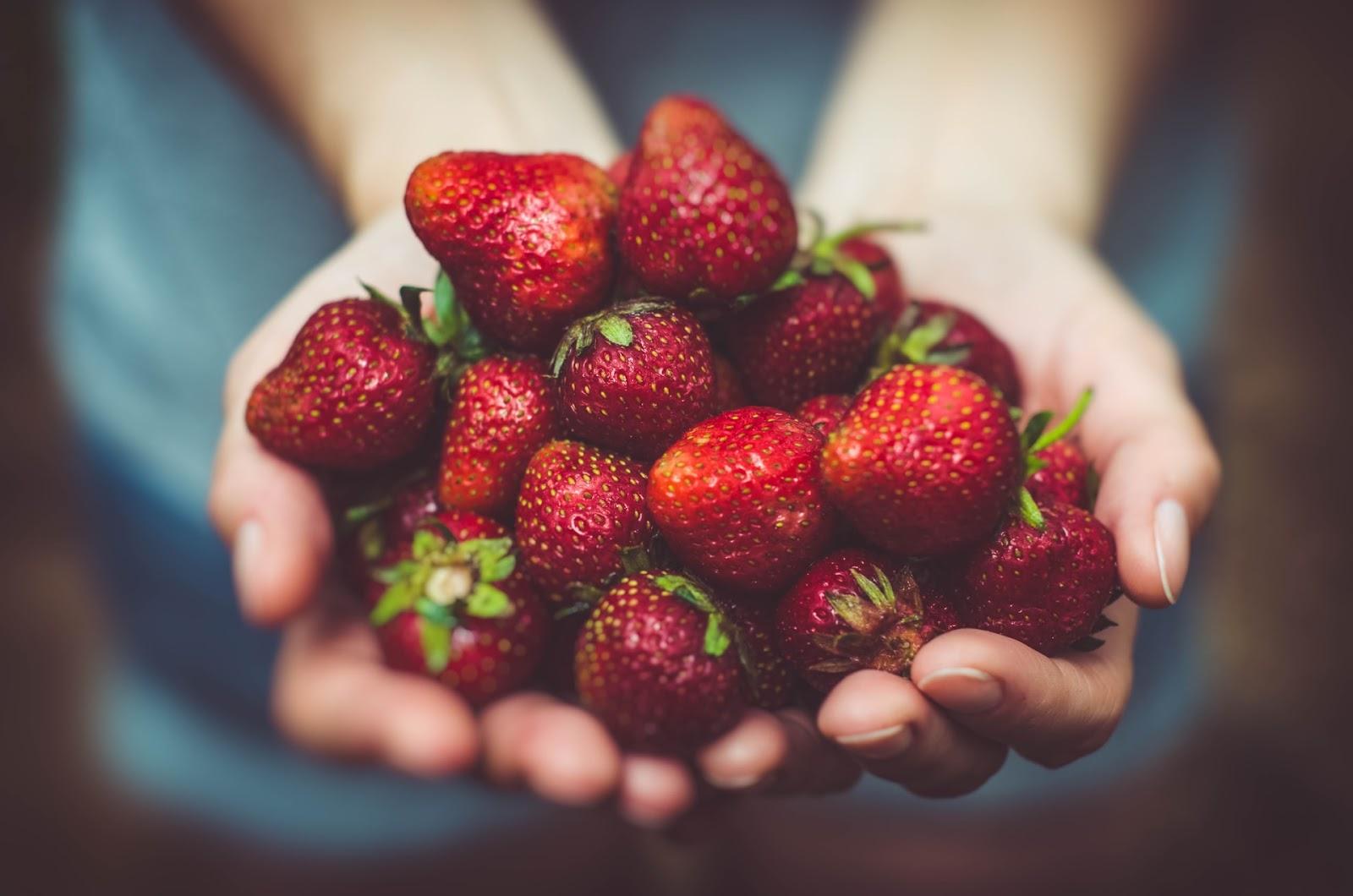
- Gifting—one of the most popular plants for gifting is strawberries because they are easy to grow and versatile. Strawberries can be added to salads, cakes, pies, and you can even dip them in chocolate for your favorite valentine.
Whatever your reasons, an edible landscape is a fun way to bond with family and friends.
Your resources are endless. From planting schedules to coffee-table books, up-to-date information is easy to find.
Whether you’re a first-timer or seasoned gardener, your options are plentiful regarding readily available plants and trees, as well as those that can be shipped right to your door.
However you look at it, edible landscapes are Mother Nature’s heaven on earth.