
In the fast-paced world of manufacturing, where every second counts, the efficiency of your business operations can make or break your profitability. While many manufacturing businesses focus on improving production speed, reducing costs, and enhancing product quality, they often overlook the importance of integrating a comprehensive Enterprise Resource Planning software (ERP) like Odoo. This oversight can lead to significant hidden costs that slowly erode your bottom line.
What is Odoo?
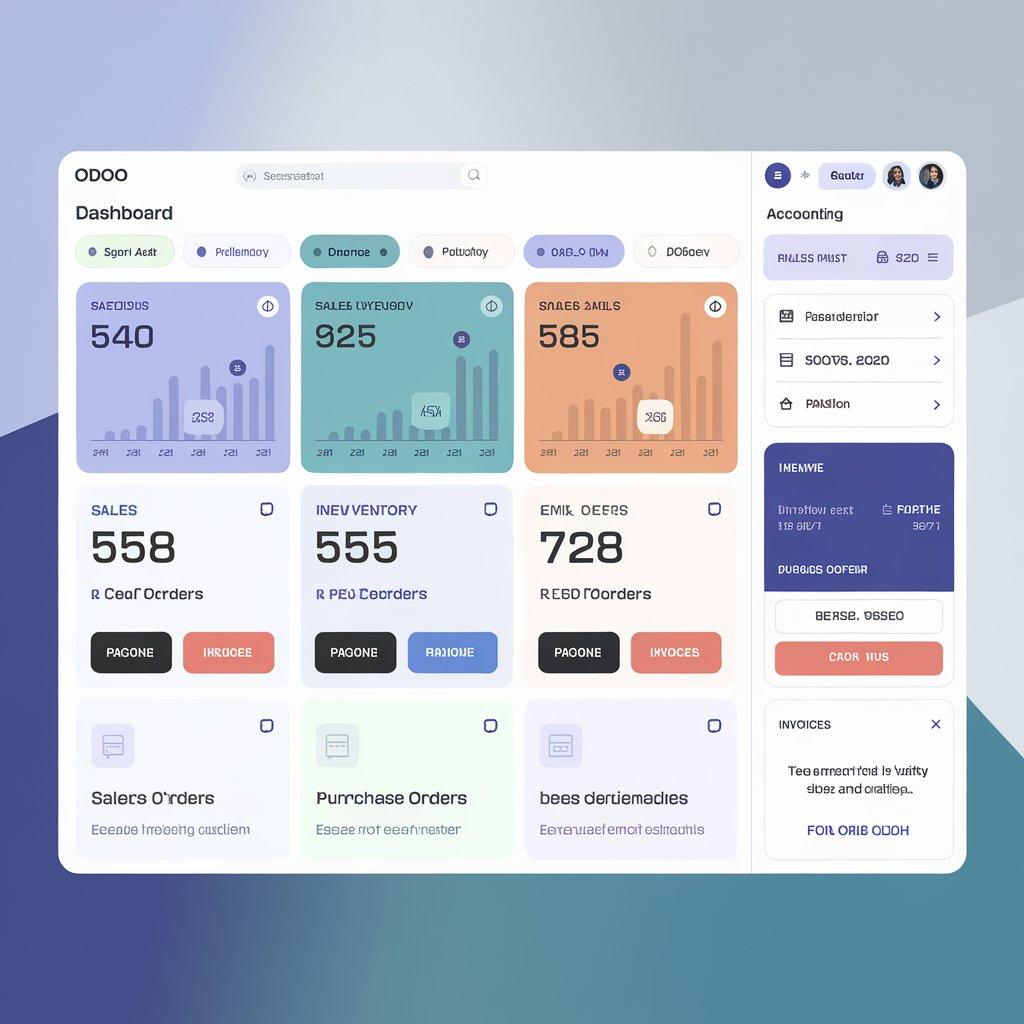
Odoo is a versatile and comprehensive business management software that offers an all-in-one solution for companies of all sizes. With its modular approach, Odoo ERP seamlessly integrates various business functions like sales, accounting, inventory, and HR, allowing organizations to streamline operations and improve efficiency. Whether you're a startup or an enterprise, Odoo's customizable platform adapts to your unique needs, driving growth and innovation.
Why Skipping Odoo ERP Could Be Costing Your Manufacturing Business?
(1) Operational Inefficiencies: The Silent Profit Killer:
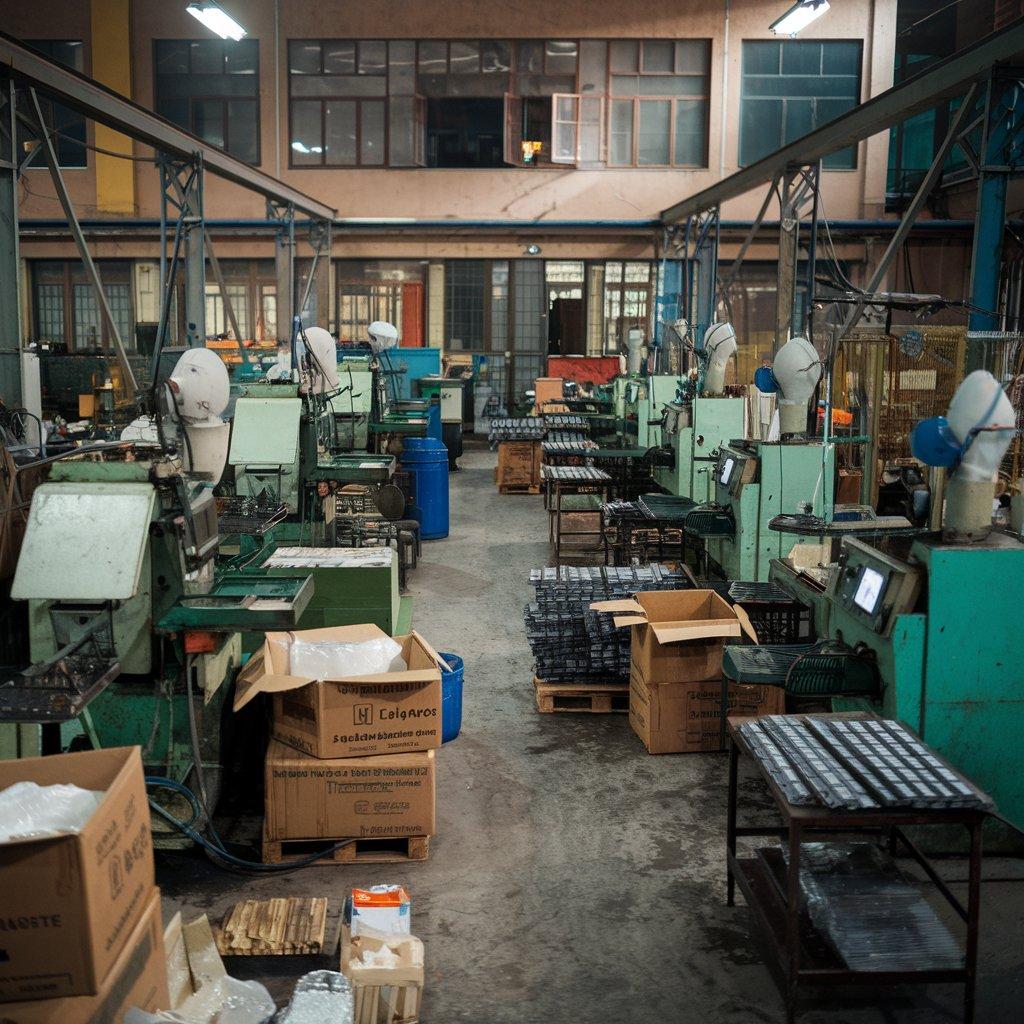
One of the most significant hidden costs of not implementing an ERP system like Odoo is operational inefficiency. In a manufacturing environment, where multiple processes need to work in harmony, any inefficiency can result in delays, increased costs, and reduced productivity. Without an integrated ERP system, different departments often rely on separate systems or even manual processes, leading to communication breakdowns, data silos, and duplicated efforts.
For example, your inventory management might not sync with your production schedule, resulting in overstocking or stockouts. Both scenarios can be costly, overstocking ties up valuable capital, while stockouts can halt production, leading to missed deadlines and unhappy customers. An Odoo ERP system integrates all your business processes into one cohesive platform, ensuring real-time data flow and seamless communication across departments. This integration eliminates inefficiencies, saves time, and boosts your bottom line.
(2) Poor Decision-Making: The Cost of Inaccurate Data:
Success in the manufacturing sector depends on data-driven decision-making. However, without manufacturing ERP software, accessing accurate and timely data can be a challenge. When your data is spread across multiple systems or stored in spreadsheets, it becomes difficult to gain a clear picture of your business’s performance. This lack of visibility can lead to poor decision-making, as you might base your strategies on outdated or incomplete information.
For instance, if your sales team doesn’t have access to real-time inventory data, they might overpromise to customers, leading to unfulfilled orders and damaged relationships. On the other hand, if your production team doesn’t have accurate demand forecasts, they might either overproduce or underproduce, both of which are costly mistakes.
Odoo ERP provides a single source of truth for your business, offering real-time insights into every aspect of your operations. With accurate data, you can make informed decisions that drive growth, reduce costs, and enhance customer satisfaction.
(3) Compliance Risks: The Hidden Legal Costs:
Compliance with industry regulations is a critical aspect of manufacturing, and failure to adhere to these regulations can result in big fines, legal battles, and reputational damage. Managing compliance manually or through disparate systems increases the risk of errors, as it becomes challenging to keep track of the ever-changing regulatory landscape.
Manufacturing ERP software helps you stay compliant by automating compliance processes and ensuring that all your business practices align with industry standards. From quality control to environmental regulations, manufacturing ERP’s integrated modules allow you to monitor and manage compliance across your entire operation. This not only reduces the risk of costly fines but also protects your brand’s reputation.
(4) Missed Growth Opportunities: The Cost of Inflexibility:
In today’s competitive manufacturing environment, agility is key to staying ahead of the competition. Businesses that fail to adapt to market changes or seize new opportunities often find themselves falling behind. Without an ERP system like Odoo, your company may struggle to scale efficiently or pivot in response to changing customer demands.
ERP software offers the flexibility and scalability needed to support your business’s growth. Whether you’re expanding into new markets, launching new products, or adapting to industry trends, manufacturing ERP software can easily be customized to meet your evolving needs. By not implementing an ERP system, you risk missing out on valuable growth opportunities that could propel your business to new heights.
(5) Increased Labor Costs: The Price of Manual Processes:
Manual processes are not only time-consuming but also prone to errors, leading to increased labor costs and decreased productivity. For example, if your accounting team is manually reconciling accounts or generating financial reports, they’re spending valuable time on tasks that could be automated. This not only increases the risk of human error but also prevents your team from focusing on more strategic initiatives.
ERP system automates routine tasks, freeing up your employees to focus on value-added activities. From automated invoicing and payroll to streamlining inventory management and production planning, Odoo ERP reduces the burden of manual processes, resulting in significant labor cost savings.
Conclusion
The hidden costs of not implementing Odoo ERP in your manufacturing business can be substantial, affecting everything from operational efficiency to compliance, decision-making, and growth potential. At Teknovative Solution, we understand the unique challenges faced by manufacturing businesses and offer tailored ERP solutions that drive success.
By choosing Odoo ERP, you’re not just investing in software; you’re investing in the future of your business. Don’t let hidden costs undermine your profitability, contact us today to learn how we can help you implement Odoo ERP and unlock your business’s full potential.
Read Also: The Secret to Success: Why 90% of Trading Companies Choose ERP Software
Rapid Assistance Zone
(1) How does the lack of Odoo ERP affect inventory management costs?
Answer: Without Odoo ERP, poor inventory management can lead to overstocking, stockouts, and wastage, all of which contribute to increased storage costs, lost sales, and unnecessary procurement expenses.
(2) What impact does the absence of Odoo ERP have on production efficiency?
Answer: Without Odoo ERP, production inefficiencies may go unnoticed, leading to machine downtime, resource wastage, and delays, which increase operational costs and reduce profitability.
(3) How does the lack of Odoo ERP impact customer satisfaction and retention?
Answer: Inefficient processes and delayed responses, which are common without Odoo ERP, can lead to poor customer experiences, resulting in lost customers and reduced revenue.