
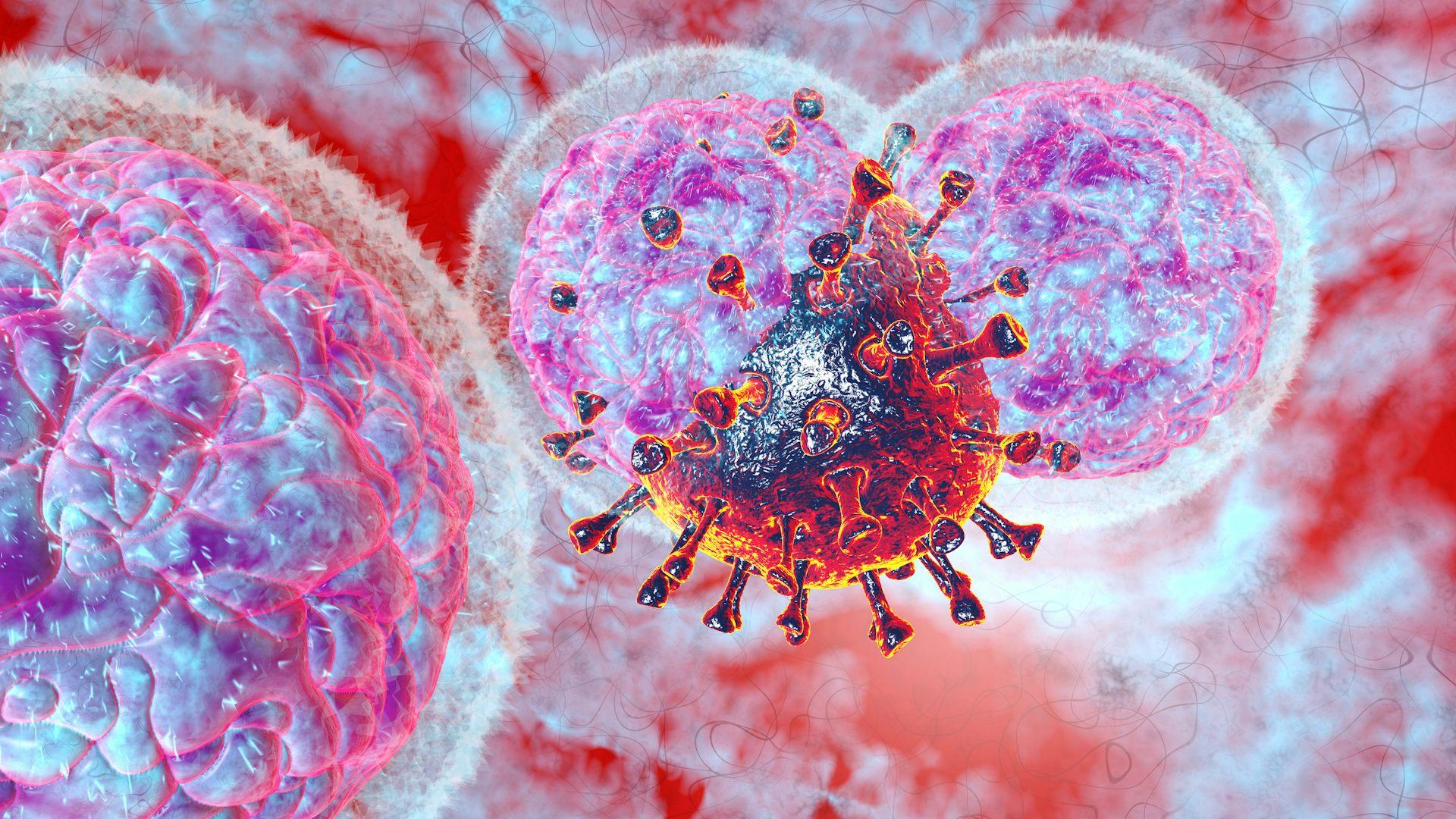
Natural Killer (NK) cells stand as one of the immune system's most fascinating and effective components, serving as rapid responders against various threats to our health. These remarkable cells, first discovered in the 1970s, continue to captivate researchers and medical professionals alike with their unique abilities and potential therapeutic applications.
The Fundamental Nature of Natural Killer Cells
Natural Killer cells are large granular lymphocytes that form an essential part of the innate immune system. Unlike other immune cells that require specific recognition signals, NK cells can spontaneously identify and eliminate infected or abnormal cells without prior sensitization. This immediate response capability makes them crucial first-line defenders against viral infections and emerging cancer cells.
These extraordinary Natural Killer Cells possess distinctive surface receptors that enable them to differentiate between healthy and compromised cells. Through a complex system of activating and inhibitory signals, NK cells maintain a delicate balance between aggressive defense and tolerance of normal tissue.
How NK Cells Identify Their Targets
Natural Killer cells employ a sophisticated recognition system that sets them apart from other immune cells. They possess both activating and inhibitory receptors that work in concert to determine whether a target cell should be eliminated. The process relies heavily on the detection of MHC (Major Histocompatibility Complex) class I molecules, which are present on healthy cells but often downregulated in infected or cancerous cells.
When NK cells encounter potential targets, they evaluate the balance between activating and inhibitory signals. If a cell displays reduced MHC class I expression or shows signs of stress or damage, NK cells become activated and initiate their killing mechanisms. This unique ability to recognize "missing self" markers makes NK cells particularly effective at identifying cells that have been compromised by viruses or transformed into cancer cells.
The Arsenal of Natural Killer Cells
Once activated, NK cells deploy an impressive array of weapons to eliminate their targets. Their primary methods of attack include:
1. Cytotoxic Granules: NK cells release specialized proteins called perforin and granzymes. Perforin creates pores in the target cell's membrane, allowing granzymes to enter and trigger cell death.
2. Death Receptor Activation: They can induce apoptosis (programmed cell death) in target cells by engaging specific death receptors on their surface.
3. Cytokine Production: NK cells secrete various inflammatory cytokines, particularly interferon-gamma, which helps coordinate broader immune responses and enhance the body's overall defense mechanisms.
NK Cells in Disease Prevention and Treatment
The role of Natural Killer cells extends far beyond basic immune surveillance. These cells have proven crucial in multiple aspects of health and disease:
Cancer Surveillance
NK cells are particularly adept at identifying and destroying cancer cells in their early stages, making them a vital component of the body's natural cancer prevention system. Research has shown that individuals with higher NK cell activity typically have lower cancer incidence rates. This has led to increasing interest in NK cell-based immunotherapies for cancer treatment.
Viral Defense
During viral infections, NK cells act as rapid responders, attacking infected cells before the adaptive immune system can mount a specific response. Their ability to recognize virus-infected cells makes them particularly important in controlling viral infections, especially in the early stages.
Pregnancy and Reproduction
A specialized subset of NK cells plays a crucial role in successful pregnancy. These uterine NK cells help regulate placental development and maintain appropriate blood flow to the developing fetus, highlighting their importance beyond traditional immune functions.
Recent Discoveries and Future Implications
Scientific understanding of NK cells continues to evolve, with recent research revealing new insights into their capabilities and potential applications:
Memory-Like Properties
Contrary to traditional belief that only adaptive immune cells possess memory, research has shown that NK cells can develop memory-like responses to certain stimuli. This discovery has significant implications for vaccine development and immunotherapy.
Therapeutic Applications
The medical community is increasingly exploring ways to harness NK cells for therapeutic purposes. Current research focuses on:
- Enhancing NK cell function in cancer patients
- Developing NK cell-based treatments for viral infections
- Creating more effective vaccines that stimulate NK cell responses
- Engineering NK cells for targeted therapeutic applications
Challenges and Ongoing Research
Despite their potential, several challenges remain in fully utilizing NK cells for therapeutic purposes:
1. Maintaining NK cell activity and survival in therapeutic applications
2. Developing methods to target NK cells to specific disease sites
3. Understanding the complex regulation of NK cell responses
4. Optimizing NK cell-based treatments for different patient populations
Get this report in Japanese Language – ナチュラルキラー細胞
Get this report in Korean Language - 자연 살해 세포
Read More Articles Related to this Industry:-
How Agar is revolutionizing the Pharmaceutical and Biotechnology Sectors
Innovative Biotechnology Takes Off! How One Business Wants to Change the World's Health
About Author
Priya Pandey is a dynamic and passionate editor with over three years of expertise in content editing and proofreading. Holding a bachelor's degree in biotechnology, Priya has a knack for making the content engaging. Her diverse portfolio includes editing documents across different industries, including food and beverages, information and technology, healthcare, chemical and materials, etc. Priya's meticulous attention to detail and commitment to excellence make her an invaluable asset in the world of content creation and refinement.
(LinkedIn- https://www.linkedin.com/in/priya-pandey-8417a8173/)